Overview
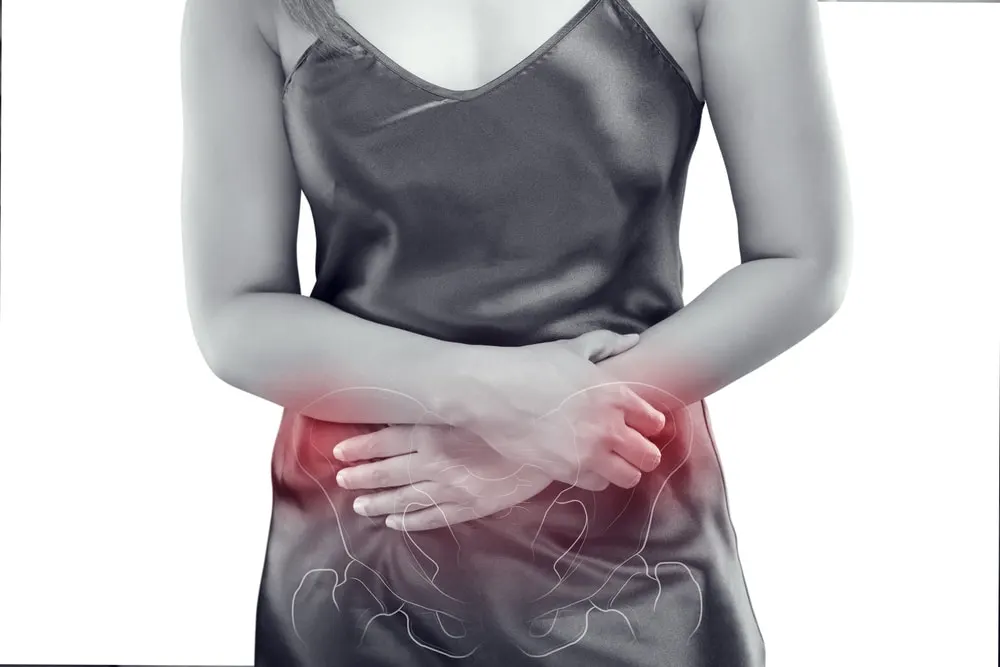
Pelvic floor dysfunction refers to a condition in which the network of muscles, ligaments, and connective tissues located at the base of the pelvis fail to work in a healthy, coordinated manner. The pelvic floor is a critical structure, forming a supportive hammock that stretches from the pubic bone at the front to the tailbone at the back.
This muscular and connective tissue framework plays an essential role in holding up and protecting important internal organs, including the bladder, bowel, and—depending on gender—the uterus in women or the prostate in men.
These muscles are not only responsible for maintaining organ support, but they also regulate key bodily functions such as controlling the release of urine and stool, contributing to sexual function, and providing postural stability for the pelvis and lower back. When the pelvic floor is functioning optimally, it contracts and relaxes in perfect balance.
However, in pelvic floor dysfunction, this harmony is disrupted—muscles may become overly tight, excessively weak, or fail to contract and relax in the right sequence. This leads to a range of distressing symptoms that can affect bladder and bowel control, cause pelvic pain, and reduce quality of life.
At DMPhysios, a highly regarded clinic in Noida specializing in spine and sports conditions with a strong emphasis on patient-centered rehabilitation, our team has extensive expertise in identifying and treating various forms of pelvic floor dysfunction. Through comprehensive assessments and evidence-based therapies, we aim to restore optimal pelvic health and help patients return to a comfortable, active, and confident lifestyle.
Symptoms
The symptoms of pelvic floor dysfunction vary depending on whether the muscles are overactive, underactive, or uncoordinated. Common signs include:
- Difficulty starting or completing urination
- Constipation or straining during bowel movements
- A frequent urge to urinate or bowel urgency
- Incomplete bladder or bowel emptying
- Pelvic pain or pressure
- Pain during sexual intercourse (dyspareunia) in women
- Erectile dysfunction or painful ejaculation in men
- Lower back or hip discomfort related to pelvic instability
- Heaviness or bulging sensation in the pelvic area (possible pelvic organ prolapse)
These symptoms can develop gradually and are often mistaken for other conditions. That is why early evaluation at a specialized center like DMPhysios is crucial for proper management.
Types of Pelvic Floor Dysfunction
Pelvic floor dysfunction can be classified into several categories depending on muscle activity and associated conditions:
1. Hypertonic Pelvic Floor Dysfunction
- Muscles are too tight and unable to relax.
- Often associated with chronic pelvic pain, urinary urgency, and sexual discomfort.
2. Hypotonic Pelvic Floor Dysfunction
- Muscles are weak and unable to provide proper support to pelvic organs.
- Common in cases of urinary incontinence and pelvic organ prolapse.
3. Pelvic Organ Prolapse (POP)
- Occurs when pelvic organs (bladder, uterus, rectum) drop from their normal position due to weakened pelvic floor muscles.
4. Incoordination Dysfunction
- The muscles contract and relax in the wrong sequence, making it difficult to pass urine or stool effectively.
Causes
Several factors can contribute to the development of pelvic floor dysfunction:
- Pregnancy and childbirth – Vaginal delivery, prolonged labor, or instrumental delivery can weaken or damage pelvic floor muscles.
- Aging – Natural loss of muscle mass and elasticity can impair pelvic support.
- Surgery – Pelvic or abdominal surgeries may cause nerve or muscle damage.
- Chronic constipation or straining – Excessive pressure over time weakens the pelvic floor.
- Heavy lifting – Occupational or exercise-related strain can overload the pelvic muscles.
- Obesity – Extra weight increases pelvic floor stress.
- Neurological conditions – Such as multiple sclerosis or spinal cord injury.
- High-impact sports – Long-term repetitive strain from running, jumping, or heavy gym training.
Risk Factors
Some individuals are more likely to develop pelvic floor dysfunction:
- Women post-pregnancy or post-menopause
- People with a family history of pelvic organ prolapse
- Athletes in high-impact sports
- Individuals with connective tissue disorders (e.g., Ehlers-Danlos syndrome)
- Those with chronic coughing (as in asthma or smoking-related lung disease)
- People with a sedentary lifestyle combined with poor posture
Treatment
Management depends on the severity and type of dysfunction. Common approaches include:
- Lifestyle Modifications
- Dietary adjustments to prevent constipation
- Weight management to reduce pelvic stress
- Hydration for healthy bladder and bowel function
- Medications
- Muscle relaxants for hypertonic dysfunction
- Stool softeners for constipation-related cases
- Topical estrogen in postmenopausal women for tissue health
- Surgical Intervention
- Reserved for severe pelvic organ prolapse or incontinence not responding to conservative measures
- Physiotherapy and Rehabilitation
- The first-line and most effective approach for most types of pelvic floor dysfunction
- At DMPhysios, we offer specialized pelvic health physiotherapy tailored to individual needs
Physiotherapy Treatment
Physiotherapy plays a central role in the treatment of pelvic floor dysfunction. At DMPhysios, a trusted Noida clinic for spine and sports conditions with a strong focus on patient-centered rehabilitation, our approach is evidence-based and personalized.
1. Assessment and Diagnosis
- Thorough history-taking to identify symptoms, triggers, and contributing factors
- Physical examination, including pelvic floor muscle strength and coordination assessment
- Use of biofeedback devices for objective muscle activity measurement
2. Pelvic Floor Muscle Training (PFMT)
- Also known as Kegel exercises, these target muscle strengthening for hypotonic dysfunction.
- We focus on correct activation and relaxation cycles to avoid overtraining.
- Progression includes:
- Short holds (2–3 seconds) → Longer holds (8–10 seconds)
- Quick contractions for sudden stress situations (e.g., coughing)
3. Relaxation and Down-training Techniques
- For hypertonic pelvic floor dysfunction, relaxation is key.
- Breathing exercises, gentle stretches, and manual therapy help reduce muscle tension.
- Diaphragmatic breathing is emphasized to coordinate pelvic floor and core muscles.
4. Biofeedback Therapy
- Uses sensors to provide visual or auditory feedback on muscle activation.
- Helps patients learn correct contraction and relaxation patterns.
5. Electrical Stimulation
- Low-frequency stimulation to improve nerve-muscle communication.
- Especially useful in very weak pelvic floor muscles.
6. Manual Therapy
- Internal and external techniques to release myofascial restrictions.
- Improves blood circulation, reduces pain, and enhances mobility.
7. Postural and Core Training
- The pelvic floor works in harmony with the deep core muscles.
- Exercises like bridges, modified planks, and Pilates-based core training improve stability.
8. Functional Retraining
- Training muscles to respond during daily activities—lifting, bending, running.
- Prevents future episodes of dysfunction.
9. Education and Self-management
- Guidance on bladder and bowel habits.
- Ergonomic advice for work and home activities.
- Strategies for long-term pelvic health maintenance.
Prevention
While not all cases can be prevented, following these guidelines can reduce the risk:
- Perform regular pelvic floor exercises (even during pregnancy and postnatal periods)
- Maintain a healthy weight to reduce pelvic strain
- Avoid chronic straining during bowel movements
- Practice proper lifting techniques
- Stay physically active but avoid excessive high-impact activities without proper training
- Manage chronic cough or respiratory conditions promptly
- Seek early physiotherapy intervention after childbirth or pelvic surgery
Conclusion
Pelvic floor dysfunction can significantly affect daily life, but with the right diagnosis, treatment, and preventive strategies, most individuals can regain normal function and improve quality of life. At DMPhysios, a leading Noida-based clinic specializing in spine and sports conditions with patient-centered rehabilitation, we provide expert physiotherapy and tailored rehabilitation programs for pelvic floor dysfunction. Our multidisciplinary approach ensures that every patient receives the best care suited to their specific needs.
If you or a loved one are experiencing symptoms of pelvic floor dysfunction, don’t ignore them. Contact DMPhysios today for a comprehensive assessment and a customized recovery plan. Your pelvic health is vital—take the first step towards restoring it now.