Overview
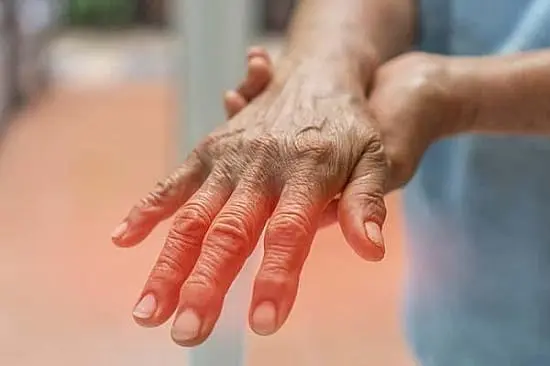
Peripheral neuropathy is a condition that arises from damage to the peripheral nerves, which are responsible for transmitting signals between the brain, spinal cord, and the rest of the body. Unlike the central nervous system, which includes the brain and spinal cord, the peripheral nervous system manages motor control, sensory functions, and autonomic functions such as blood pressure and digestion. When these nerves are damaged or diseased, the communication between the central nervous system and the body is disrupted, leading to weakness, pain, numbness, or abnormal sensations, most often in the hands and feet.
Peripheral neuropathy is not a single disease but a collection of disorders with various causes and manifestations. For many patients, it develops gradually, while in others it may appear suddenly following trauma, metabolic conditions, or certain infections.
At DMPhysios, a leading physiotherapy clinic in Noida specializing in spine and sports conditions, patient-centered rehabilitation is a core part of recovery from peripheral neuropathy. Through structured physiotherapy, lifestyle modification, and supportive care, patients can regain function, reduce discomfort, and improve quality of life.
Symptoms
The symptoms of peripheral neuropathy vary depending on which type of nerve—sensory, motor, or autonomic—is affected. Common symptoms include:
- Numbness and Tingling – Often described as “pins and needles” in the feet or hands.
- Burning or Shooting Pain – Pain may worsen at night and can range from mild discomfort to severe sharp sensations.
- Muscle Weakness – Difficulty lifting objects, walking, or performing daily activities.
- Loss of Coordination and Balance – Increased risk of falls due to impaired sensation in the feet.
- Sensitivity to Touch – Some patients develop allodynia, where even light touch can cause pain.
- Autonomic Symptoms – Sweating abnormalities, digestive issues, dizziness, or changes in blood pressure.
Since peripheral neuropathy often starts in the longest nerves, symptoms typically begin in the feet and progress upward (a phenomenon called a “stocking-glove” distribution).
Types of Peripheral Neuropathy
Peripheral neuropathy can be classified into several types depending on the underlying cause and the nerve fibers involved:
- Sensory Neuropathy – Primarily affects sensory nerves, leading to numbness, tingling, pain, and sensory loss.
- Motor Neuropathy – Affects motor nerves, resulting in weakness, muscle wasting, cramps, and reduced reflexes.
- Autonomic Neuropathy – Affects autonomic nerves controlling involuntary functions such as heart rate, digestion, and sweating.
- Mixed Neuropathy – The most common, involving a combination of sensory, motor, and autonomic nerves.
Another classification is based on the number of nerves involved:
- Mononeuropathy – Damage to a single peripheral nerve (e.g., carpal tunnel syndrome).
- Polyneuropathy – Widespread nerve damage affecting multiple nerves simultaneously, common in diabetes-related cases.
Causes
Peripheral neuropathy can arise from multiple causes. Some of the most common include:
- Diabetes Mellitus – The leading cause worldwide, accounting for more than half of all cases.
- Injuries and Trauma – Accidents, falls, or repetitive stress can compress or damage nerves.
- Infections – Such as shingles, HIV, or Lyme disease.
- Autoimmune Diseases – Lupus, rheumatoid arthritis, and Guillain-Barré syndrome.
- Vitamin Deficiencies – Especially B vitamins (B1, B6, B12), vitamin E, and niacin.
- Chronic Alcoholism – Alcohol impairs nutrient absorption and directly damages nerves.
- Toxic Exposure – Heavy metals, chemotherapy drugs, and certain industrial chemicals.
- Inherited Disorders – Such as Charcot-Marie-Tooth disease.
- Kidney or Liver Disease – Leading to accumulation of toxins that harm the nerves.
Risk Factors
Certain individuals are more likely to develop peripheral neuropathy. Risk factors include:
- Long-standing or poorly controlled diabetes
- Excessive alcohol consumption
- Poor nutrition
- Family history of nerve disorders
- Age over 50
- Autoimmune diseases
- Long-term exposure to toxins or chemotherapy drugs
Being aware of these risk factors can help in early detection and timely intervention.
Treatment
The treatment of peripheral neuropathy depends on the underlying cause. The key goals are to manage symptoms, prevent progression, and enhance quality of life.
Medical Treatment Options:
- Medications for Pain Relief – Non-steroidal anti-inflammatory drugs (NSAIDs), antidepressants, or anticonvulsants such as gabapentin and pregabalin.
- Topical Treatments – Capsaicin creams or lidocaine patches to reduce localized nerve pain.
- Immune Therapies – For autoimmune-related neuropathies, plasma exchange or intravenous immunoglobulin (IVIg) may be used.
- Treatment of Underlying Conditions – Such as controlling blood sugar in diabetes, supplementing vitamins in deficiency, or addressing kidney disease.
- Lifestyle Modifications – Reducing alcohol intake, eating a nutrient-rich diet, and exercising regularly.
However, medical management alone is often insufficient. This is where physiotherapy becomes essential, and DMPhysios in Noida offers patient-centered rehab programs specifically tailored to help individuals with peripheral neuropathy regain mobility and function.
Physiotherapy Treatment
Physiotherapy plays a vital role in managing peripheral neuropathy by improving muscle strength, mobility, balance, and quality of life. At DMPhysios, rehabilitation is individualized, ensuring each patient receives care that addresses their unique condition.
Key Physiotherapy Interventions
- Strengthening Exercises
- Target weakened muscles to improve daily functionality.
- Resistance bands, light weights, or bodyweight exercises are introduced gradually.
- Balance and Coordination Training
- Activities like single-leg stance, wobble board training, and gait drills help reduce fall risk.
- Task-specific training improves walking confidence.
- Aerobic Conditioning
- Low-impact activities such as cycling, swimming, or treadmill walking improve blood circulation and nerve health.
- Flexibility and Stretching
- Gentle stretching reduces stiffness and prevents contractures in weakened muscles.
- Gait Training
- Therapists focus on correcting walking patterns, improving stride length, and minimizing compensations.
- Assistive devices like walkers or canes may be prescribed when necessary.
- Pain Management Techniques
- Use of modalities such as Transcutaneous Electrical Nerve Stimulation (TENS), ultrasound therapy, and heat/cold therapy to reduce discomfort.
- Proprioceptive and Sensory Re-education
- Exercises to retrain the brain in recognizing sensory input, improving coordination and movement control.
- Patient Education
- Teaching foot care strategies (especially for diabetic neuropathy).
- Lifestyle guidance on posture, ergonomics, and safe mobility practices.
Role of DMPhysios in Rehabilitation
At DMPhysios, physiotherapists use a combination of evidence-based practices and individualized care plans. The clinic’s focus on spine and sports conditions makes it uniquely qualified to manage complex cases of peripheral neuropathy. Their patient-centered rehabilitation approach ensures:
- Thorough assessment and goal-oriented planning
- Continuous monitoring of progress
- Integration of home exercise programs
- Emphasis on functional independence and long-term wellness
Prevention
While not all causes of peripheral neuropathy can be prevented, certain strategies can significantly reduce risk:
- Control Blood Sugar Levels – Strict diabetes management is crucial.
- Adopt a Healthy Diet – Balanced nutrition with adequate vitamins, minerals, and antioxidants.
- Limit Alcohol Intake – Avoid excessive alcohol consumption to protect nerve health.
- Exercise Regularly – Improves circulation and reduces the risk of neuropathic complications.
- Protect Against Injuries – Wear supportive footwear, avoid repetitive stress, and practice good ergonomics.
- Routine Check-ups – Especially for individuals with diabetes, autoimmune conditions, or family history of nerve disorders.
Preventive measures combined with timely rehabilitation at centers like DMPhysios in Noida can slow progression and enhance quality of life.
Conclusion
Peripheral neuropathy is a challenging condition that can greatly impact a person’s daily life through pain, weakness, sensory disturbances, and loss of balance. While medical treatments can address the underlying causes and reduce symptoms, physiotherapy is crucial for restoring function and preventing complications.
At DMPhysios, a specialized clinic in Noida for spine and sports conditions, patient-centered rehabilitation ensures that each individual receives a customized care plan tailored to their unique needs. Through structured exercises, pain management, gait training, and lifestyle education, patients with peripheral neuropathy can regain independence and improve overall well-being.If you or a loved one is struggling with peripheral neuropathy, don’t wait for symptoms to worsen. Reach out to DMPhysios today and begin your journey toward recovery with expert-guided rehabilitation.