Overview
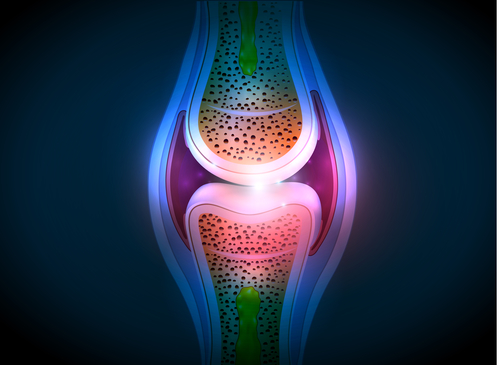
Pigmented Villonodular Synovitis (PVNS) is a rare but potentially debilitating joint disease that primarily affects the synovium—the thin layer of tissue that lines joints and tendons. The condition is characterized by an abnormal overgrowth of the synovial membrane, leading to inflammation, thickening, and the presence of pigmented deposits due to hemosiderin (an iron-storage complex). Over time, this excessive synovial tissue can erode cartilage, ligaments, and surrounding bone structures, causing pain, stiffness, and joint dysfunction.
Although Pigmented Villonodular Synovitis is benign in terms of being non-cancerous, its aggressive nature and ability to damage joint structures make it a serious musculoskeletal disorder. The knee is the most commonly affected joint, followed by the hip, ankle, elbow, and shoulder. Because its symptoms often resemble other joint disorders, timely diagnosis and treatment are critical to prevent long-term disability.
At DMPhysios, a leading physiotherapy and rehabilitation clinic in Noida specializing in spine and sports conditions, patient-centered care is at the heart of management strategies for PVNS. Their expert team integrates evidence-based physiotherapy with individualized treatment plans to restore function and improve quality of life.
Symptoms
The symptoms of Pigmented Villonodular Synovitis often progress gradually, leading patients to ignore early warning signs. Common symptoms include:
- Joint pain – typically dull and persistent, increasing with activity.
- Swelling – due to excessive synovial fluid and tissue overgrowth.
- Stiffness and reduced range of motion – difficulty in bending, extending, or rotating the joint.
- Locking or catching sensations – caused by the bulk of the abnormal tissue interfering with joint movement.
- Instability – in some cases, the joint may feel weak or unstable.
- Warmth and tenderness – signs of inflammation within the joint.
- Recurrent effusion – fluid accumulation that doesn’t respond well to conventional treatment.
Because these symptoms mimic arthritis, meniscus tears, or ligament injuries, Pigmented Villonodular Synovitis often goes undiagnosed until imaging and histopathological confirmation are performed.
Types of Pigmented Villonodular Synovitis
PVNS can be broadly classified into two types based on its growth pattern:
- Localized PVNS
- Limited to a specific area of the synovium or tendon sheath.
- Usually forms nodules or lumps within the joint.
- Less aggressive and easier to treat surgically.
- Diffuse PVNS
- Involves the entire synovial lining of the joint.
- More aggressive, with greater risk of joint destruction.
- Commonly affects large joints like the knee or hip.
Understanding the type is crucial, as treatment strategies differ for localized versus diffuse Pigmented Villonodular Synovitis.
Causes
The exact cause of PVNS remains unclear, but several theories exist:
- Genetic factors – Some studies indicate chromosomal abnormalities linked to the condition.
- Inflammatory response – Chronic inflammation may contribute to abnormal synovial growth.
- Trauma or repetitive micro-injury – Prior joint injuries may trigger synovial overactivity.
- Overproduction of colony-stimulating factor 1 (CSF1) – A protein that promotes excessive growth of synovial cells.
While it is not considered cancerous, Pigmented Villonodular Synovitis behaves aggressively and can cause significant structural damage if left untreated.
Risk Factors
Certain factors may increase the likelihood of developing PVNS:
- Age – Most common in adults between 20–50 years.
- Gender – Slightly more prevalent in males.
- History of joint trauma – Prior injuries may predispose synovium to abnormal changes.
- Large joints involvement – Knees and hips are most frequently affected.
Treatment
Treatment of PVNS focuses on controlling synovial overgrowth, relieving symptoms, and preserving joint function. Options include:
- Surgical intervention
- Arthroscopic synovectomy: Minimally invasive removal of abnormal synovium. Effective in localized PVNS.
- Open synovectomy: Required for diffuse PVNS with extensive involvement.
- Joint replacement (arthroplasty): Considered in severe cases with extensive joint destruction.
- Medications and biologics
- Targeted therapies like CSF1 receptor inhibitors are being investigated for PVNS.
- Anti-inflammatory drugs may help manage pain and swelling but do not stop progression.
- Radiation therapy
- In rare or recurrent cases, radiosynoviorthesis or external radiation may be used to suppress synovial overgrowth.
Physiotherapy Treatment
Physiotherapy plays a crucial role both after surgical treatment and in conservative management of Pigmented Villonodular Synovitis. At DMPhysios, a clinic in Noida known for its expertise in spine and sports rehabilitation, physiotherapists design customized rehabilitation plans to restore mobility, strength, and function.
Goals of Physiotherapy in PVNS:
- Reduce pain and swelling.
- Improve range of motion.
- Strengthen surrounding muscles to support the joint.
- Restore functional mobility and prevent recurrence of stiffness.
- Improve quality of life and return to daily activities or sports.
Key Physiotherapy Approaches
- Pain and Inflammation Management
- Cryotherapy (ice therapy) to reduce swelling.
- Electrotherapy modalities (TENS, ultrasound) for pain relief.
- Gentle manual therapy techniques to reduce joint stiffness.
- Range of Motion (ROM) Exercises
- Passive and active-assisted mobilization post-surgery.
- Gradual progression to active ROM to restore flexibility.
- Specific joint mobilization techniques for knees, hips, or shoulders depending on involvement.
- Strengthening Exercises
- Isometric strengthening in early stages (e.g., quadriceps sets for the knee).
- Progression to resistance training with therabands or weights.
- Core and hip strengthening for better joint stability.
- Gait Training and Functional Rehabilitation
- For lower limb PVNS, re-education of walking patterns post-surgery.
- Use of assistive devices (crutches, walkers) initially, with gradual weaning.
- Functional drills for return to work or sports.
- Balance and Proprioception Training
- Exercises using balance boards, single-leg stands, and dynamic stability drills.
- Helps prevent re-injury and improves neuromuscular control.
- Patient Education
- Ergonomic advice and activity modification.
- Home exercise programs to maintain progress.
- Importance of adherence to rehabilitation plans.
The patient-centered approach at DMPhysios ensures that each program is tailored not only to the joint involved but also to the individual’s lifestyle and goals, making recovery more efficient and sustainable.
Prevention
Since the exact cause of Pigmented Villonodular Synovitis is not fully understood, prevention is challenging. However, certain strategies can help reduce risks and manage early symptoms:
- Regular monitoring – Early imaging and diagnosis for persistent joint swelling.
- Protecting joints – Avoid repetitive stress or untreated injuries.
- Post-surgical rehabilitation – Adhering to physiotherapy plans to prevent stiffness and recurrence.
- Lifestyle modifications – Maintaining a healthy weight to reduce stress on joints.
Conclusion
Pigmented Villonodular Synovitis, while rare, is a condition that can cause significant pain, swelling, and long-term joint damage if not treated properly. Early diagnosis and appropriate management—including surgical intervention when necessary and comprehensive physiotherapy—are crucial to preserving joint health and function.
At DMPhysios, Noida’s trusted clinic for spine and sports conditions, patients with Pigmented Villonodular Synovitis receive expert, patient-centered rehabilitation designed to restore mobility, reduce pain, and improve quality of life. With a combination of advanced medical knowledge, physiotherapy expertise, and individualized care, DMPhysios ensures the best outcomes for those facing this challenging condition.
If you or someone you know is struggling with persistent joint swelling, stiffness, or unexplained pain, consult DMPhysios today to receive specialized care and a tailored rehabilitation plan. Don’t let Pigmented Villonodular Synovitis limit your life—take the first step toward recovery now.