Overview
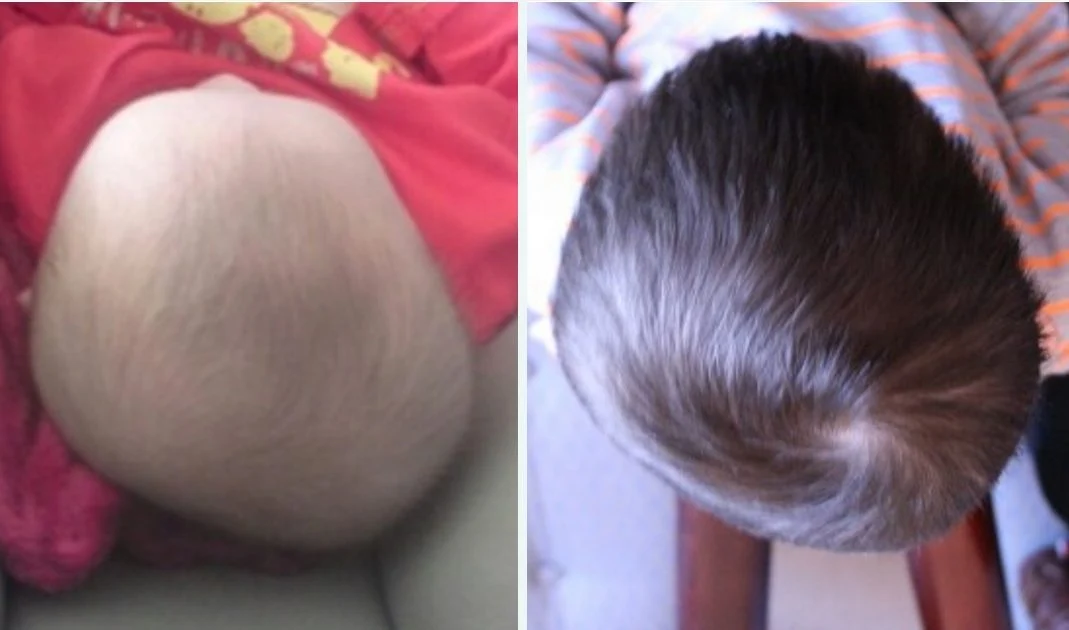
Plagiocephaly, more commonly known as flat head syndrome, is a cranial condition that results in an asymmetrical distortion of the skull. In most cases, the back or one side of the baby’s head appears noticeably flattened, giving the skull an uneven or irregular contour. This condition is most frequently observed in infants because their skull bones are soft and pliable to accommodate rapid brain growth. However, it is important to note that plagiocephaly is not exclusive to children; adults can also develop it as a result of trauma, prolonged immobility, or neurological disorders that influence posture and head positioning.
The natural softness and flexibility of an infant’s skull are essential for healthy brain development and birth adaptability. Yet, this same adaptability makes the skull highly susceptible to external pressures. When a baby spends extended time lying in one position, resting in car seats, or facing limited mobility due to muscular imbalances, the skull may flatten in certain areas. If this condition is not identified and managed early, it can influence not only cranial symmetry but also contribute to secondary musculoskeletal imbalances, postural adaptations, and, in severe cases, mild developmental delays.
Although plagiocephaly is not usually life-threatening, it carries cosmetic, functional, and developmental implications that should not be overlooked. Early recognition and timely intervention are key to ensuring optimal outcomes. At DMPhysios, a renowned clinic in Noida that specializes in spine and sports conditions with a strong focus on patient-centered rehabilitation, specialists emphasize the importance of proactive care. Their approach involves comprehensive assessment, early detection, and targeted interventions to support healthy cranial development in infants, as well as structured rehabilitation plans for adults dealing with acquired skull asymmetries.
Symptoms of Plagiocephaly
The presentation of plagiocephaly varies depending on severity and underlying cause. Common signs and symptoms include:
- Flattened area on the skull: Most noticeable at the back or one side of the head.
- Facial asymmetry: The forehead, ears, or eyes may appear uneven.
- Misalignment of ears: One ear may be pushed forward compared to the other.
- Skull bossing: Prominence on the opposite side of the flattened area.
- Torticollis association: Tightness of the neck muscles leading to a preference for head turning in one direction.
- In severe cases: Delayed motor milestones or balance difficulties may appear.
Parents often notice plagiocephaly during the first few months of life when their baby consistently rests on one side. Adults may experience cosmetic or functional concerns if plagiocephaly arises due to trauma or surgery.
Types of Plagiocephaly
There are several recognized types of plagiocephaly, each with different presentations:
- Positional Plagiocephaly
- The most common type, occurring when babies consistently lie in one position.
- Often associated with “back to sleep” positioning or limited tummy time.
- Synostotic Plagiocephaly
- Caused by premature fusion of cranial sutures (craniosynostosis).
- Requires surgical evaluation and is less common than positional cases.
- Brachycephaly
- A related condition where the back of the head appears uniformly flat, giving the head a widened appearance.
- Scaphocephaly
- Elongation of the skull, usually from early closure of the sagittal suture.
Early differentiation between positional plagiocephaly and craniosynostosis is crucial, as the latter may require surgical correction. Clinics like DMPhysios in Noida often collaborate with pediatricians and specialists to ensure accurate diagnosis and treatment planning.
Causes
The causes of plagiocephaly are multifactorial, including both environmental and biological influences:
- Prolonged pressure on the skull: Babies spending excessive time lying on their backs, in car seats, or strollers.
- Torticollis: Tight neck muscles causing preference for turning the head to one side.
- Premature birth: Preterm infants have softer skulls and often spend extended time in neonatal intensive care units (NICUs), increasing the risk.
- Multiple births (twins/triplets): Restricted womb space may contribute to skull asymmetry.
- Intrauterine positioning: Positioning in the womb can sometimes place uneven pressure on the skull.
- Neurological conditions: Reduced mobility or developmental delays may predispose infants to plagiocephaly.
Risk Factors
Certain factors make plagiocephaly more likely to occur:
- Premature infants with softer skull bones.
- First-born babies, due to tighter uterine space.
- Limited tummy time during infancy.
- Babies with torticollis or other musculoskeletal imbalances.
- Prolonged use of carriers, swings, or strollers.
- Male infants, as studies show slightly higher prevalence in boys.
At DMPhysios, clinicians emphasize risk factor identification during early assessments, enabling timely preventive strategies for families.
Treatment
Treatment depends on the severity, age of the patient, and underlying causes. Options include:
- Repositioning therapy
- Encouraging the baby to change head positions during sleep and rest.
- Providing supervised tummy time.
- Helmet therapy (cranial orthosis)
- Specially designed helmets gently reshape the skull by redirecting growth.
- Most effective between 4–12 months of age.
- Surgical correction
- Reserved for craniosynostosis cases or severe deformities unresponsive to conservative care.
- Physiotherapy
- Plays a central role, especially when plagiocephaly is associated with torticollis or muscular tightness.
- Tailored interventions restore neck mobility, encourage symmetrical head movement, and promote normal development.
Physiotherapy Treatment
Physiotherapy is often the cornerstone of plagiocephaly management, particularly in positional cases. At DMPhysios in Noida, therapists design individualized, patient-centered rehabilitation programs that include:
1. Assessment and Education
- Detailed evaluation of skull asymmetry, neck range of motion, and posture.
- Guidance for parents on optimal sleeping, feeding, and carrying positions.
2. Torticollis Management
- Gentle stretching techniques to release tight sternocleidomastoid (SCM) muscles.
- Strengthening of weak contralateral neck muscles.
- Positioning strategies to encourage balanced head turning.
3. Positioning and Handling Techniques
- Encouraging varied sleeping and resting positions.
- Promoting supervised tummy time to relieve pressure from the back of the head.
- Using toys and stimuli to encourage the baby to turn toward the non-preferred side.
4. Developmental Exercises
- Rolling, crawling, and reaching activities to stimulate symmetrical motor patterns.
- Core and neck strengthening exercises to support postural control.
5. Parental Training Programs
- Parents are educated and empowered to continue therapy at home.
- Step-by-step demonstration of repositioning, handling, and play strategies.
6. Adjunctive Therapies
- Manual therapy techniques for soft tissue release.
- Kinesio-taping in select cases to support muscular correction.
- Collaboration with orthotists when helmet therapy is required.
By integrating these methods, DMPhysios ensures comprehensive, family-centered care that addresses both immediate and long-term needs of infants with plagiocephaly.
Prevention
While not all cases of plagiocephaly can be prevented, many can be minimized with proactive strategies:
- Encourage tummy time: Begin supervised sessions from the first weeks of life.
- Alternate head positions during sleep: Gently adjust your baby’s head to different sides.
- Limit prolonged pressure: Reduce extended time in carriers, swings, or car seats.
- Promote upright holding: Carry babies in upright positions more often.
- Monitor developmental progress: Seek physiotherapy early if signs of torticollis or asymmetry appear.
Preventive education is a key service offered by DMPhysios, ensuring that parents feel confident in protecting their child’s cranial development.
Conclusion
Plagiocephaly is a common yet often misunderstood condition that primarily affects infants due to skull malleability and external pressure. While it may appear concerning, timely intervention through repositioning, helmet therapy, and especially physiotherapy ensures excellent outcomes in most cases.
At DMPhysios, a leading clinic in Noida for spine and sports conditions, patient-centered rehabilitation is at the heart of every treatment plan. Their expert physiotherapists specialize in managing plagiocephaly through tailored exercise programs, parental education, and early intervention strategies.If you suspect that your child shows signs of plagiocephaly, or if you are seeking advanced care for musculoskeletal and rehabilitation needs, don’t delay professional consultation. Contact DMPhysios today to begin the journey toward better health and development.