Overview
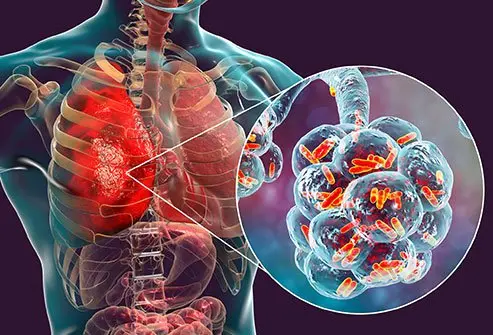
Pneumonia is a serious and potentially life-threatening respiratory illness that occurs when the tiny air sacs in the lungs, called alveoli, become inflamed. Under healthy conditions, these alveoli are responsible for exchanging oxygen and carbon dioxide, allowing the body to receive an adequate supply of oxygen.
However, in it, these sacs often fill with pus, mucus, or fluid, which significantly reduces the efficiency of breathing. As a result, oxygen intake becomes compromised, and patients commonly experience distressing symptoms such as a persistent cough, chest pain, fever, chills, excessive sweating, and shortness of breath.
Although pneumonia can develop in anyone, certain groups are far more vulnerable to its complications. Infants and young children have immature immune systems that make it harder for them to fight infections, while older adults often face weakened defenses due to age-related decline in immunity or existing health conditions.
People with chronic illnesses, smokers, or individuals with suppressed immune systems are also at much greater risk of severe outcomes. Globally, it continues to rank among the leading causes of hospital admissions and remains a significant contributor to morbidity and mortality rates, particularly in developing nations where access to healthcare may be limited. This highlights the urgent need for timely diagnosis, effective treatment, and structured rehabilitation to prevent long-term complications.
At DMPhysios, a trusted rehabilitation clinic located in Noida that specializes in spine and sports conditions, pneumonia management goes beyond just controlling the infection. Their approach emphasizes holistic recovery by integrating medical treatment with physiotherapy-based interventions.
Physiotherapists at DMPhysios play an essential role in helping patients restore lung capacity, improve breathing efficiency, and regain mobility after prolonged illness or hospitalization. By focusing on patient-centered care, the clinic ensures that individuals recovering from it not only overcome the infection but also rebuild their overall strength, endurance, and quality of life.
Symptoms
The symptoms of pneumonia may range from mild to severe depending on the type of infection, overall health, and age of the patient. Some common signs include:
- Persistent cough producing phlegm or pus
- Fever, sweating, and chills
- Shortness of breath or rapid breathing
- Sharp or stabbing chest pain, especially during deep breaths or coughing
- Fatigue and weakness
- Loss of appetite
- Confusion (especially in older adults)
- Nausea, vomiting, or diarrhea in some cases
Recognizing these symptoms early is essential for preventing complications such as respiratory failure or sepsis.
Types of Pneumonia
Pneumonia can be classified based on its cause, origin, or the setting in which it develops. The main types include:
- Community-Acquired Pneumonia (CAP):
The most common form, acquired outside of healthcare settings, often caused by bacteria like Streptococcus pneumoniae. - Hospital-Acquired Pneumonia (HAP):
Develops during hospital stays, usually more severe due to antibiotic-resistant bacteria. - Ventilator-Associated Pneumonia (VAP):
Occurs in patients using ventilators in intensive care units. - Aspiration Pneumonia:
Happens when food, liquid, or vomit enters the lungs, causing infection. - Viral Pneumonia:
Caused by viruses like influenza, respiratory syncytial virus (RSV), or COVID-19. - Fungal Pneumonia:
More common in individuals with weakened immunity, caused by fungi present in soil or bird droppings.
Causes
Pneumonia is most commonly caused by infectious agents, but other factors can contribute to its development.
- Bacteria: Streptococcus pneumoniae is the leading bacterial cause.
- Viruses: Influenza, coronaviruses, and RSV are common viral culprits.
- Fungi: More common in people with weakened immune systems.
- Aspiration: Inhalation of foreign substances into the lungs.
The severity often depends on the patient’s immunity, underlying health conditions, and timeliness of medical care.
Risk Factors
Several factors increase the likelihood of developing pneumonia:
- Age (infants, young children, and elderly adults)
- Smoking and long-term exposure to pollutants
- Chronic illnesses such as asthma, COPD, diabetes, or heart disease
- Weakened immune system due to HIV, cancer treatment, or organ transplants
- Recent hospitalization or surgery
- Malnutrition and poor general health
Identifying these risk factors helps clinicians and physiotherapists design personalized treatment and preventive strategies.
Treatment
The treatment of pneumonia depends on its type, severity, and the overall health of the patient. Common medical treatments include:
- Antibiotics: Used for bacterial pneumonia. Early initiation is critical.
- Antiviral medications: Prescribed for viral pneumonia in certain cases.
- Antifungal medications: Used when pneumonia is caused by fungal infections.
- Oxygen therapy: For patients with low blood oxygen levels.
- Fever reducers and pain relievers: To manage discomfort and high temperatures.
- Hospitalization: Severe pneumonia may require intravenous antibiotics, respiratory support, or intensive monitoring.
Medical management focuses on eliminating the infection and stabilizing the patient, but recovery also requires strengthening lung capacity, restoring mobility, and preventing long-term complications. This is where physiotherapy becomes vital.
Physiotherapy Treatment
Physiotherapy plays a pivotal role in both the acute management and long-term rehabilitation of pneumonia patients. At DMPhysios, the rehabilitation approach is patient-centered, ensuring that treatment not only addresses the infection but also improves breathing efficiency, mobility, and overall quality of life.
1. Chest Physiotherapy (CPT):
Techniques like percussion, vibration, and postural drainage help mobilize and clear mucus from the lungs, improving ventilation and preventing secondary infections.
2. Breathing Exercises:
- Diaphragmatic Breathing: Encourages efficient oxygen exchange.
- Pursed-Lip Breathing: Helps reduce breathlessness and improves oxygen levels.
- Segmental Breathing: Focuses on expanding specific lung areas affected by pneumonia.
3. Airway Clearance Techniques:
Devices like positive expiratory pressure (PEP) therapy or simple huff coughing are used to assist in sputum clearance.
4. Early Mobilization:
Bed rest during pneumonia can lead to muscle weakness and complications. Guided mobilization, including sitting, standing, and walking exercises, helps prevent deconditioning.
5. Pulmonary Rehabilitation Programs:
Comprehensive plans involving exercise training, breathing strategies, and education to restore lung function and endurance.
6. Oxygen Therapy Support & Monitoring:
Physiotherapists at DMPhysios closely monitor oxygen levels during exercises to ensure safety and optimize progress.
7. Education and Lifestyle Modification:
Patients and families are educated about posture, hydration, nutrition, and preventive strategies to minimize recurrence.
With specialized physiotherapy at DMPhysios, pneumonia patients not only recover faster but also reduce the risk of complications like chronic respiratory insufficiency.
Prevention
Preventing pneumonia is as important as treating it. Steps to reduce risk include:
- Vaccination against influenza, pneumococcal infections, and COVID-19
- Practicing good hygiene, including regular handwashing
- Avoiding smoking and limiting exposure to pollutants
- Strengthening immunity through balanced nutrition and exercise
- Managing chronic illnesses like diabetes or asthma effectively
- Encouraging deep breathing and coughing exercises after surgery to prevent lung infections
For high-risk individuals, preventive physiotherapy techniques such as breathing training and chest clearance exercises can significantly lower the chances of pneumonia recurrence.
Conclusion
Pneumonia remains a global health challenge, but with timely diagnosis, effective treatment, and comprehensive physiotherapy-based rehabilitation, patients can regain lung function and return to their normal lifestyle. While medical treatment eliminates infection, physiotherapy ensures long-term respiratory health, mobility, and endurance.
At DMPhysios, a trusted clinic in Noida known for patient-centered rehabilitation in spine and sports conditions, its care goes beyond medical treatment. Through specialized chest physiotherapy, breathing exercises, and tailored rehabilitation programs, patients receive holistic care that strengthens both their lungs and overall health.
If you or a loved one is recovering from pneumonia, don’t delay rehabilitation. Visit DMPhysios to receive expert guidance, personalized physiotherapy treatment, and dedicated care designed to help you breathe easier, move better, and live stronger.