Overview
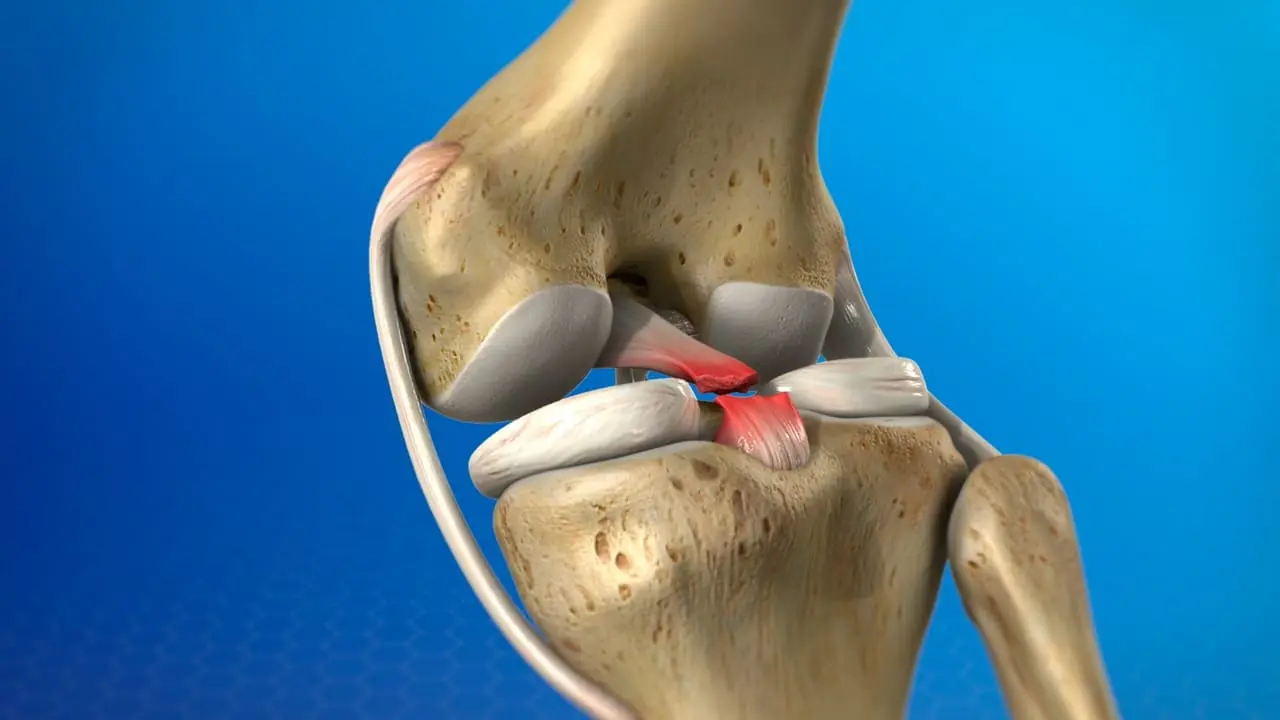
The Posterior Cruciate Ligament (PCL) is one of the primary stabilizing ligaments of the knee joint. Located deep within the center of the knee, it extends from the posterior aspect of the tibia (shinbone) to the anterior part of the femur (thighbone).
Structurally, the PCL is broader and stronger than its more frequently discussed counterpart—the Anterior Cruciate Ligament (ACL)—making it a vital component in maintaining knee stability during functional movements. Its primary role is to prevent the tibia from shifting too far backward relative to the femur, especially during activities involving sudden deceleration or changes in direction.
Although posterior Cruciate Ligament injuries are less common than ACL injuries, they are no less serious. Damage to the PCL can lead to substantial joint instability, difficulty in walking or running, impaired performance in sports or daily activities, and long-term degenerative changes in the knee joint if left untreated. These injuries are often the result of high-impact trauma such as car accidents (dashboard injuries), sports-related collisions, or falls that drive the tibia backward.
At DMPhysios, a premier rehabilitation center located in Noida, we are dedicated to the comprehensive evaluation, treatment, and recovery of complex ligament injuries like PCL tears. Our team of experienced physiotherapists employs a patient-centered, evidence-based approach that focuses not just on healing the ligament, but also on restoring overall knee function, strength, and stability. Whether you’re an athlete looking to return to peak performance or an individual recovering from trauma, DMPhysios is committed to guiding you through every stage of rehabilitation toward a complete and lasting recovery.
Symptoms of Posterior Cruciate Ligament Injury
Recognizing a posterior Cruciate Ligament injury early can prevent long-term complications such as joint instability and arthritis. The symptoms may vary based on the severity of the injury but commonly include:
- A feeling of instability or looseness in the knee, especially during walking or descending stairs
- Swelling and stiffness within the first few hours of injury
- Pain located at the back of the knee
- Difficulty in walking or bearing weight
- A noticeable limp
- Pain while kneeling or squatting
- Reduced range of motion in the knee
In many mild cases, the symptoms may be subtle and often mistaken for a general knee sprain. This makes expert evaluation at specialized centers like DMPhysios essential for accurate diagnosis.
Types of Posterior Cruciate Ligament Injuries
Posterior Cruciate Ligament injuries are categorized based on the severity of the damage:
Grade I:
A mild stretch or microscopic tear in the ligament. The PCL remains functional, and symptoms are usually minimal.
Grade II:
A partial tear with moderate functional loss. Patients may experience some instability, especially with knee movements under load.
Grade III:
A complete tear of the PCL. This often leads to significant knee instability, functional difficulty, and may be associated with injuries to other ligaments.
Chronic PCL Injury:
In some cases, if not managed properly, the PCL injury becomes chronic. Over time, it can lead to degeneration of the knee joint, early onset of arthritis, and progressive instability.
At DMPhysios, our comprehensive assessment tools help determine the grade of injury accurately, which guides the rehabilitation or surgical decision-making process.
Causes of Posterior Cruciate Ligament Injury
The posterior Cruciate Ligament is usually injured when there is a sudden force directed at the front of the tibia while the knee is bent. Common causes include:
- Dashboard injuries during motor vehicle accidents, where the shin strikes the dashboard while the knee is bent
- Falls directly onto a bent knee
- Hyperflexion injuries during athletic activities
- Sudden deceleration or a sharp change in direction while running
- Direct trauma from contact sports such as football, rugby, or wrestling
- Missteps or improper landings during jumping
Injury mechanisms vary widely, which is why a proper history and movement assessment, such as those offered at DMPhysios, is critical to identify and treat the source correctly.
Risk Factors
Certain individuals are more susceptible to posterior Cruciate Ligament injuries, especially if they meet the following criteria:
- Participation in high-impact or contact sports
- A history of knee instability or previous ligament injuries
- Poor neuromuscular control or weak lower limb muscles
- Lack of proper warm-up or flexibility before physical activity
- Inadequate footwear or training surfaces
- Poor rehabilitation of a previous knee injury
- Occupations involving frequent kneeling or sudden pivoting movements
Early screening and education, such as those provided by the team at DMPhysios, can reduce the risk of such injuries, especially in athletes and active individuals.
Treatment
Clinical Evaluation
Diagnosis typically involves a detailed clinical history followed by physical tests such as:
- Posterior drawer test
- Sag sign
- Quadriceps active test
Imaging studies such as MRI help confirm the extent of damage to the posterior Cruciate Ligament and any associated injuries to the meniscus, cartilage, or other ligaments.
Treatment Options
Treatment depends on the severity of the injury:
Non-Surgical Management (Grade I & II)
- Rest, Ice, Compression, Elevation (RICE)
- Knee bracing to prevent posterior sag
- Pain management using NSAIDs
- Physiotherapy for strengthening and proprioception
- Activity modification
Surgical Management (Grade III or Chronic Cases)
- PCL reconstruction surgery using tendon grafts
- Post-operative bracing and controlled rehabilitation
- Long-term physiotherapy for return-to-sport
Surgical options are usually considered when conservative treatment fails, or in cases involving multiple ligament injuries. At DMPhysios, we work closely with orthopedic surgeons to ensure post-surgical rehab protocols are individualized for optimal outcomes.
Physiotherapy Treatment
Physiotherapy is the cornerstone of recovery for posterior Cruciate Ligament injuries, whether managed conservatively or surgically. At DMPhysios, located in Noida, we take a patient-centered rehabilitation approach that focuses on restoring strength, function, and confidence.
1. Acute Phase (0–2 weeks)
- Pain and swelling management using ice and elevation
- Controlled weight-bearing with brace support
- Activation of the quadriceps (e.g., quad sets, straight leg raises)
- Avoid posterior tibial translation (no hamstring loading early)
2. Subacute Phase (2–6 weeks)
- Progress to closed kinetic chain exercises
- Continue quadriceps strengthening (mini squats, step-ups)
- Initiate hip and core strengthening
- Gentle ROM within protected limits
- Balance and proprioception drills (single-leg stance, wobble board)
3. Strengthening Phase (6–12 weeks)
- Leg presses (within safe angles), lunges, and wall sits
- Controlled eccentric training for quadriceps
- Cardiovascular training (bike, elliptical)
- Begin sports-specific drills under supervision
4. Return to Activity Phase (3–6 months)
- Agility training (ladder drills, shuttle runs)
- Plyometrics and dynamic stabilization
- Sport-specific re-integration and psychological readiness training
Our therapists at DMPhysios continuously reassess progress using functional outcome measures and biomechanical tools. The patient is only cleared to return to sport or activity after full strength, stability, and confidence are restored.
What sets DMPhysios apart is our focus on education, manual therapy, and movement-based rehabilitation — all essential components for optimal recovery from posterior Cruciate Ligament injuries.
Prevention of Posterior Cruciate Ligament Injury
While not all injuries can be prevented, several measures significantly reduce the risk of posterior Cruciate Ligament damage:
- Strengthening the quadriceps and glutes
- Training in balance and proprioception
- Avoiding activities that place the knee in vulnerable positions
- Proper warm-up and dynamic stretching before sport
- Protective gear in contact sports (like knee pads)
- Adherence to a structured return-to-sport program after any injury
DMPhysios offers preventive training programs for athletes, tailored to their sport and position, focusing on lower limb control, reaction time, and safe biomechanics.
Conclusion
A posterior Cruciate Ligament injury may not be as frequently discussed as ACL injuries, but its impact on knee stability, function, and long-term joint health is significant. Early diagnosis, an individualized treatment plan, and structured rehabilitation are key to optimal recovery.
At DMPhysios, our team of expert physiotherapists and rehab specialists work with you every step of the way — from diagnosis to full return to function. Whether you’re an athlete, an office-goer, or someone recovering from a traumatic incident, we deliver patient-centered rehabilitation designed for real-life demands.If you’re experiencing knee instability or have recently sustained a knee injury, don’t wait. Book an assessment at DMPhysios, the trusted clinic in Noida for spine and sports conditions. Your recovery starts with the right care — and that care begins here.