Overview
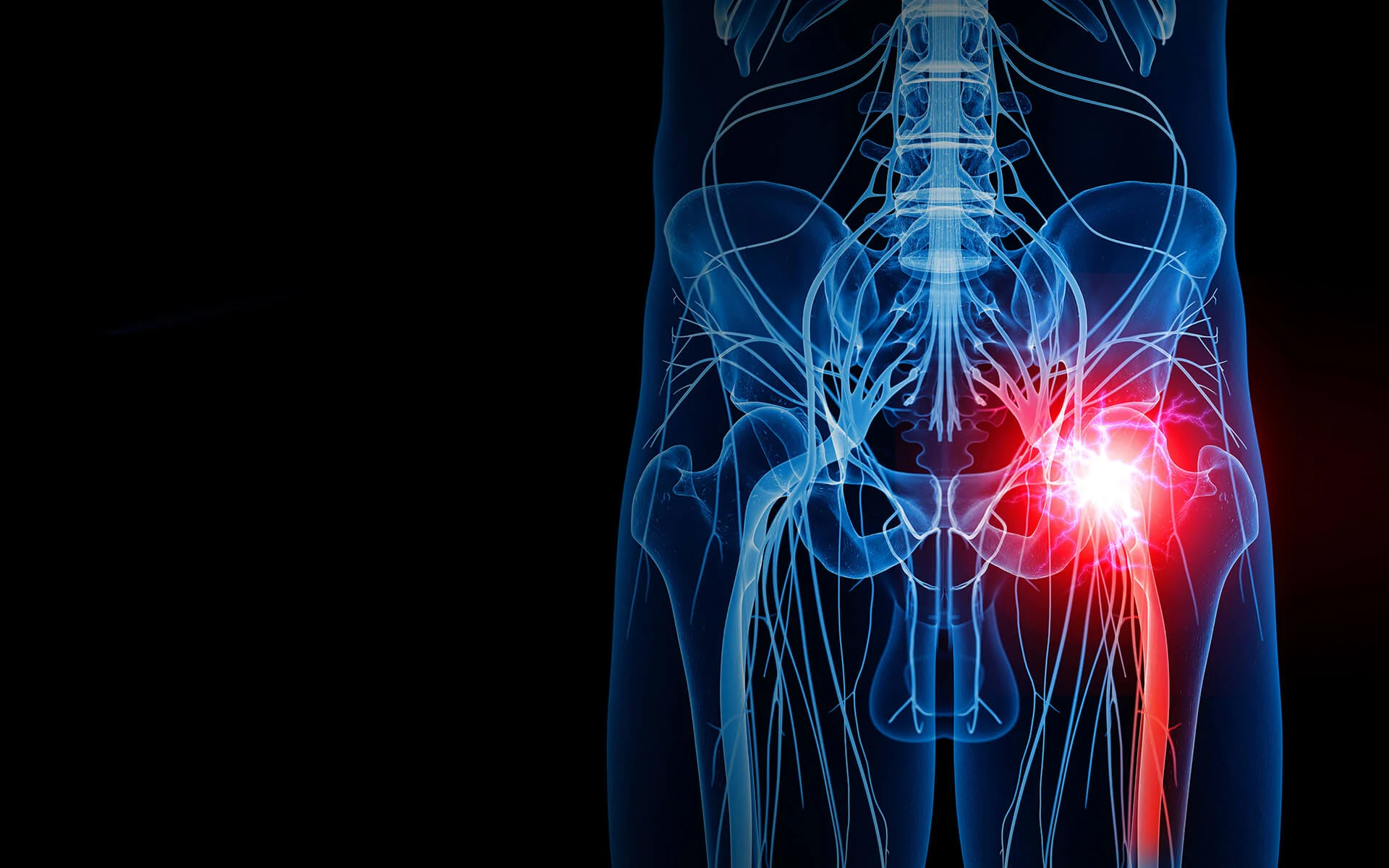
Pudendal Neuralgia is a chronic pain condition arising from irritation or entrapment of the pudendal nerve, a key nerve supplying the perineum, external genitalia, anal region, and pelvic floor muscles. Because the pudendal nerve plays a vital role in bladder, bowel, and sexual function, compression or injury can result in debilitating pain, altered sensation, and functional limitations that disrupt daily life. Unlike transient pelvic discomfort, Pudendal Neuralgia is often persistent, worsens with sitting, and significantly impacts quality of life if not addressed promptly.
At DMPhysios, a Noida-based clinic specializing in spine and sports conditions with an evidence-based, patient-centered approach, understanding Pudendal Neuralgia means acknowledging both its neuro-musculoskeletal complexity and the emotional burden it creates. Early recognition and targeted rehabilitation strategies are critical to recovery.
Symptoms
People with Pudendal Neuralgia may experience one or more of the following:
- Pelvic or perineal pain – burning, stabbing, or electric-like sensations, often unilateral but sometimes bilateral.
- Pain aggravated by sitting – relief is often noted when standing or lying down.
- Numbness or hypersensitivity in the genital or anal area.
- Bladder or bowel disturbances – urgency, frequency, difficulty initiating urination, or constipation due to pelvic floor dysfunction.
- Sexual discomfort – pain during or after intercourse, erectile difficulties, or decreased sexual satisfaction due to nerve sensitivity.
- Radiating symptoms – discomfort may spread into the buttocks, thighs, or lower abdomen, mimicking other pelvic conditions.
Recognizing these symptoms early is important. DMPhysios routinely evaluates chronic pelvic pain to rule out differential diagnoses such as sacroiliac dysfunction, lumbar radiculopathy, or hip pathology.
Types of Pudendal Neuralgia
While not universally categorized into rigid subtypes, clinicians often describe Pudendal Neuralgia in ways that guide management:
- Entrapment-related Pudendal Neuralgia – caused by mechanical compression along the nerve’s course, commonly in Alcock’s canal.
- Inflammatory or Post-traumatic Pudendal Neuralgia – following childbirth, pelvic surgery, or repetitive microtrauma (cycling, rowing).
- Idiopathic Pudendal Neuralgia – where no clear structural cause is identified but neural sensitization persists.
Identifying the underlying driver helps DMPhysios practitioners craft precise rehabilitation pathways.
Causes
The pudendal nerve travels through several anatomical tunnels and is vulnerable to irritation. Common causes include:
- Prolonged mechanical stress – long-distance cycling, motorbike riding, or occupations requiring extended sitting.
- Pelvic trauma – childbirth injuries, falls onto the buttocks, or fractures affecting pelvic alignment.
- Post-surgical changes – scarring after pelvic, colorectal, or gynecological procedures.
- Chronic pelvic floor tension – hypertonicity from stress, poor posture, or unresolved musculoskeletal dysfunction.
- Inflammation and fibrosis – secondary to infection or chronic inflammatory states.
DMPhysios clinicians stress that Pudendal Neuralgia is often multi-factorial, where biomechanical, neurological, and lifestyle factors converge.
Risk Factors
Certain individuals are more susceptible:
- Athletes in cycling, rowing, equestrian sports.
- Pregnancy and childbirth – especially with prolonged labor or instrumental delivery.
- Sedentary professionals – prolonged sitting with poor ergonomics.
- Pelvic surgeries – hernia repairs, hysterectomy, or urological interventions.
- Spinal or sacroiliac dysfunction – altered pelvic mechanics increasing nerve strain.
- Chronic constipation or straining – raising intra-pelvic pressure repeatedly.
At DMPhysios, comprehensive assessment includes not only the nerve but also spine alignment, hip mechanics, and pelvic floor tone to understand why Pudendal Neuralgia has developed.
Treatment
Managing Pudendal Neuralgia requires a multi-disciplinary, individualized approach:
- Medication Management
- Neuropathic pain agents (gabapentinoids, tricyclic antidepressants)
- Anti-inflammatory or analgesic strategies
- Muscle relaxants for pelvic floor hypertonicity
- Nerve Blocks and Injections
- Image-guided pudendal nerve blocks provide diagnostic clarity and temporary relief.
- Steroid or local anesthetic injections may reduce inflammation and facilitate rehabilitation.
- Lifestyle and Ergonomic Adjustments
- Using cut-out or “U” shaped cushions to relieve perineal pressure.
- Limiting prolonged sitting, alternating positions frequently.
- Avoiding aggravating activities (cycling, heavy straining) until symptoms improve.
- Surgical Intervention
- Reserved for severe, refractory Pudendal Neuralgia where entrapment is confirmed and conservative measures fail.
- Procedures include decompression of the pudendal nerve.
Physiotherapy Treatment
A cornerstone of sustainable recovery lies in rehabilitation that addresses biomechanics, neural health, and lifestyle. At DMPhysios, physiotherapy for Pudendal Neuralgia is comprehensive and patient-focused:
1. Detailed Assessment
- Pelvic alignment, lumbar spine mobility, hip range of motion.
- Pelvic floor muscle function (strength, coordination, tone).
- Postural analysis and ergonomics.
2. Pain Reduction Strategies
- Gentle manual therapy for pelvic floor relaxation and myofascial release.
- Neurodynamic techniques to mobilize the pudendal nerve without aggravation.
- Application of therapeutic modalities (TENS, heat, or ultrasound) where appropriate.
3. Pelvic Floor Rehabilitation
- Down-training techniques for overactive pelvic muscles (diaphragmatic breathing, guided relaxation).
- Targeted strengthening when weakness contributes to instability.
- Biofeedback to improve voluntary control and reduce involuntary tension.
4. Core and Posture Re-Education
- Strengthening of transverse abdominis, multifidus, gluteal group to stabilize pelvis.
- Spinal mobility drills to optimize sacroiliac mechanics.
- Ergonomic training for sitting, workstation setup, and movement habits.
5. Neural Mobilization
- Gentle gliding of the pudendal nerve pathway to restore normal nerve excursion without triggering pain.
- Progressive loading as tolerance improves.
6. Activity and Lifestyle Coaching
- Gradual reintroduction of cycling or exercise with proper padding, bike fit, and rest intervals.
- Bowel and bladder training to reduce straining and pelvic stress.
- Stress management to lower pelvic muscle guarding.
With DMPhysios’ expertise in both spine and sports rehabilitation, the plan is always personalized, evidence-based, and patient-centered, ensuring Pudendal Neuralgia management addresses root causes rather than symptoms alone.
Prevention
Although not every case is preventable, several proactive measures reduce risk:
- Maintain pelvic floor balance – neither too tight nor too weak.
- Optimize posture – especially during prolonged sitting or cycling.
- Use appropriate ergonomic seating – saddle adjustments, padded cushions, regular breaks.
- Avoid chronic straining – manage constipation, use proper toileting posture.
- Incorporate core and hip mobility exercises into routine training.
- Seek early physiotherapy intervention for pelvic, lumbar, or hip discomfort before nerve irritation develops.
DMPhysios educates patients on prevention through tailored exercise programs, posture awareness, and early screening when risk factors are present.
Conclusion
Pudendal Neuralgia is a complex but manageable condition when addressed with timely, comprehensive care. Its hallmark symptoms—perineal pain, sitting intolerance, and pelvic dysfunction—should never be dismissed as “just discomfort.” Early evaluation, evidence-based physiotherapy, and lifestyle adaptation form the backbone of successful recovery.
At DMPhysios, our multidisciplinary team in Noida is committed to patient-centered rehabilitation, blending clinical expertise with empathetic guidance. If you or someone you know struggles with unexplained pelvic pain or symptoms resembling Pudendal Neuralgia, reach out to us for a thorough assessment and customized plan.
Take the first step toward relief—contact DMPhysios today to reclaim your comfort, mobility, and confidence.