Overview
The Quadratus Lumborum (QL) is a deep muscle located on either side of the lower spine, connecting the pelvis to the lower ribs and the lumbar vertebrae. It plays a crucial role in stabilizing the spine, supporting posture, and assisting in movements like bending sideways, lifting, and maintaining core balance.
A Quadratus Lumborum strain occurs when this muscle is overstretched, torn, or excessively fatigued due to repetitive movement, poor posture, or sudden loading. Since the QL acts as a stabilizer for the lumbar spine, any strain in this muscle can cause significant discomfort, reduced mobility, and even mimic other conditions such as lumbar disc herniation or kidney pain.
At DMPhysios, a leading physiotherapy clinic in Noida specializing in spine and sports conditions, our approach to treating Quadratus Lumborum strain focuses on patient-centered rehabilitation, addressing both the pain and the root biomechanical causes through advanced physiotherapy care.
Symptoms
The symptoms of Quadratus Lumborum strain can vary depending on the severity of the injury, but common signs include:
- Lower back pain – Usually one-sided and located just above the hip or around the flank area.
- Pain during movement – Especially while bending sideways, twisting, or lifting objects.
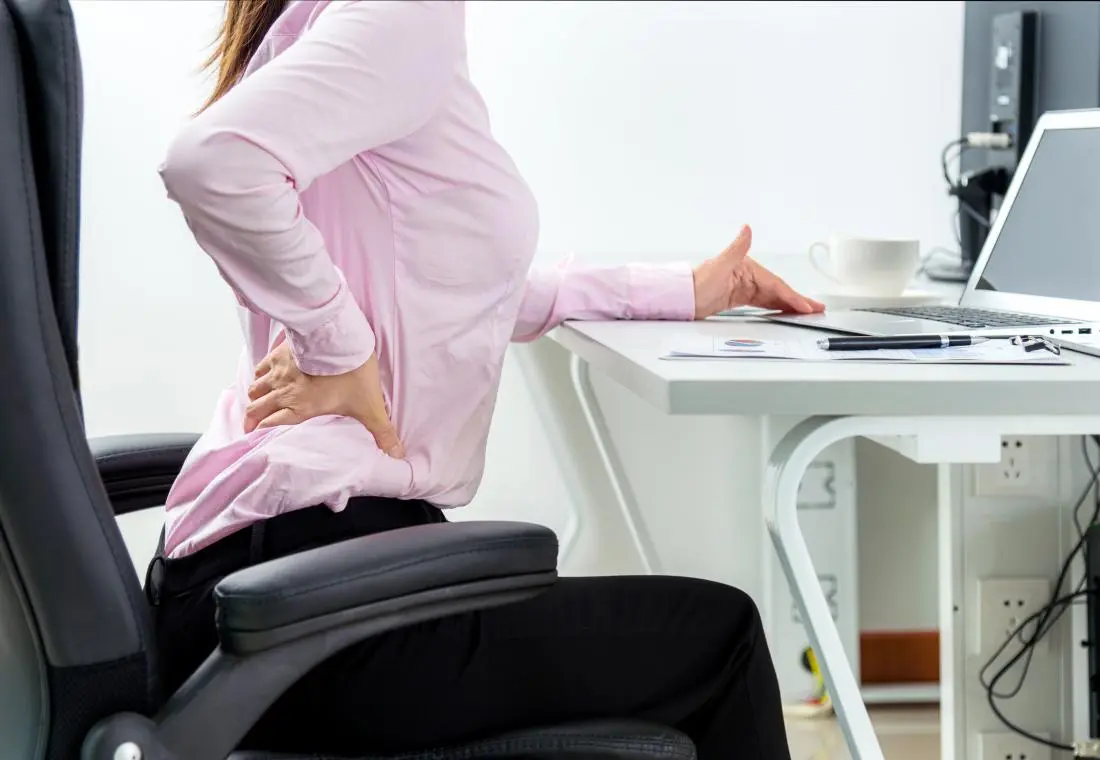
- Stiffness and tightness – A deep ache or muscle spasm in the lower back that may worsen after sitting for long periods.
- Pain radiating to the buttock or hip – Sometimes mistaken for sciatica.
- Pain while breathing deeply or coughing – The QL assists with breathing movements, so strain can make these actions painful.
- Difficulty standing upright – The body may tilt slightly to one side as the QL compensates for strain.
When Quadratus Lumborum strain is left untreated, it can lead to chronic tightness, compensatory movements, and even secondary issues like pelvic imbalance or lumbar facet irritation.
Types of Quadratus Lumborum Strain
While Quadratus Lumborum strain doesn’t have formal subtypes, it can be classified based on severity or cause:
- Acute QL Strain – Usually caused by a sudden overload, such as lifting a heavy object incorrectly or a sharp twisting motion.
- Chronic QL Strain – Develops gradually due to repetitive stress, prolonged poor posture, or muscular imbalances in the lumbar and pelvic region.
- Functional Tightness – Not an actual tear, but a protective spasm due to weakness in surrounding muscles like the gluteals or abdominals.
At DMPhysios, our physiotherapists evaluate whether the Quadratus Lumborum strain is acute or chronic to personalize the rehabilitation plan for optimal recovery.
Causes
Several factors can contribute to the development of Quadratus Lumborum strain, including:
- Poor posture – Sitting for long hours in a slouched position, especially with inadequate lumbar support.
- Improper lifting techniques – Bending and lifting heavy objects without using proper body mechanics.
- Muscle imbalances – Weak abdominal or gluteal muscles place extra stress on the QL to stabilize the spine.
- Sudden twisting or reaching movements – Common in athletes or individuals performing physical labor.
- Leg length discrepancy – Causes uneven loading on one side of the QL, leading to overuse.
- Prolonged standing or walking on uneven surfaces – Can fatigue one side of the lower back.
- Repetitive side bending – Seen in sports like golf, tennis, or swimming.
At DMPhysios Noida, physiotherapists perform a comprehensive assessment to identify these root causes so that both the muscle and contributing mechanical faults are addressed.
Risk Factors
Certain individuals are at higher risk for Quadratus Lumborum strain, including:
- Office workers who sit for extended periods.
- Athletes involved in asymmetric sports like cricket, golf, or badminton.
- Manual laborers who frequently lift or twist.
- People with scoliosis or pelvic tilt, which alters lumbar alignment.
- Individuals with weak core muscles or poor spinal stability.
DMPhysios emphasizes preventive education and ergonomic correction for these populations to minimize recurrence of Quadratus Lumborum strain.
Treatment
The treatment of Quadratus Lumborum strain typically involves two main phases: acute pain relief and long-term functional rehabilitation.
1. Pain Management
- Rest and activity modification – Avoid movements that worsen pain, but don’t stay completely immobile.
- Cold therapy (ice packs) – Reduces inflammation during the first 48-72 hours.
- Heat therapy – Promotes relaxation and blood flow after the acute phase.
- Pain-relieving medications – As prescribed by a healthcare provider, such as NSAIDs.
- Trigger point release or dry needling – May be beneficial to release tight knots in the QL muscle.
2. Restoring Mobility and Function
Once the acute pain subsides, restoring flexibility, core strength, and spinal stability becomes the main goal, this is where physiotherapy at DMPhysios plays a vital role.
Physiotherapy Treatment
At DMPhysios, physiotherapy for Quadratus Lumborum strain follows a structured, evidence-based rehabilitation model tailored to the patient’s specific condition. The program includes:
1. Assessment and Diagnosis
A thorough physical examination is performed to confirm Quadratus Lumborum strain and rule out other conditions like disc herniation, kidney pain, or sacroiliac joint dysfunction. Posture, muscle strength, flexibility, and movement patterns are analyzed using advanced assessment tools.
2. Manual Therapy
- Soft tissue mobilization: Helps release tightness and reduce pain in the QL and surrounding structures.
- Myofascial release: Targets deep fascial adhesions for improved mobility.
- Trigger point therapy: Focuses on releasing hyperirritable spots within the QL muscle that often refer pain to the hip or lower back.
- Joint mobilizations: If needed, gentle spinal or pelvic mobilizations are done to restore proper alignment and movement.
3. Stretching Exercises
To restore flexibility and reduce tension in the QL muscle:
- Standing side bends
- Child’s pose with side stretch
- Knee-to-chest stretch
- Seated spinal twist
- QL-specific stretch (standing with one arm overhead and leaning to the opposite side)
Each stretch is prescribed carefully to avoid aggravating the strain and improve overall lumbar flexibility.
4. Strengthening Exercises
Once pain is under control, strengthening begins:
- Pelvic tilts
- Bridging exercises
- Dead bug
- Bird-dog
- Side planks
- Glute activation drills
These exercises aim to strengthen the core, glutes, and lower back to reduce the load on the Quadratus Lumborum and prevent recurrence.
5. Postural and Ergonomic Training
Since posture plays a major role in Quadratus Lumborum strain, the physiotherapists at DMPhysios educate patients on:
- Correct sitting and standing posture
- Proper lifting techniques
- Ergonomic desk setup for office workers
- Balance training for athletes and manual workers
6. Electrotherapy and Modalities
Depending on the patient’s condition, the physiotherapists may use:
- Accelerated Healing Therapy for reducing pain and for promoting healing
- Ultrasound therapy for tissue healing and relief
- Dry needling to deactivate myofascial trigger points
- TENS to manage chronic pain
7. Functional and Return-to-Activity Training
Gradual return-to-sport or work-specific training ensures full functional recovery and reduces the risk of re-injury. Each rehabilitation plan at DMPhysios is customized, ensuring it aligns with the patient’s daily demands and fitness goals.
Prevention
Preventing Quadratus Lumborum strain involves maintaining spinal health, good posture, and balanced muscle function. Here are key preventive measures:
- Maintain core strength – Strong abdominal and gluteal muscles support the lower back.
- Practice correct lifting techniques – Bend at the knees, not at the waist.
- Avoid prolonged sitting – Take breaks to stand, stretch, or walk every 30–40 minutes.
- Perform regular stretching – Especially for the QL, hamstrings, and hip flexors.
- Use ergonomic setups – Ensure workstations promote good spinal alignment.
- Stay physically active – Include a balanced routine of strengthening, flexibility, and aerobic exercises.
At DMPhysios Noida, patients receive tailored guidance on preventive exercise routines and ergonomic advice to protect against recurrent Quadratus Lumborum strain.
Conclusion
A Quadratus Lumborum strain may seem like a simple back issue, but if neglected, it can lead to chronic pain, movement restrictions, and poor spinal mechanics. Understanding the underlying causes, such as postural imbalances, weak core muscles, or improper lifting is vital for complete recovery.
At DMPhysios, our expert physiotherapists in Noida focus on patient-centered rehabilitation, addressing not just the pain but the entire kinetic chain involved in the injury. Through a combination of manual therapy, corrective exercises, ergonomic education, and preventive care, we ensure long-term relief and improved spinal stability.
If you’re struggling with persistent lower back pain or suspect a Quadratus Lumborum strain, don’t wait for it to worsen. Book an assessment with DMPhysios today, your trusted clinic in Noida for spine and sports rehabilitation. Let our team help you move pain-free and regain strength with personalized, evidence-based care.