Overview
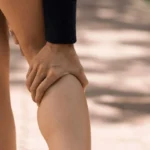
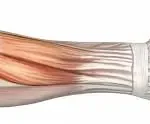
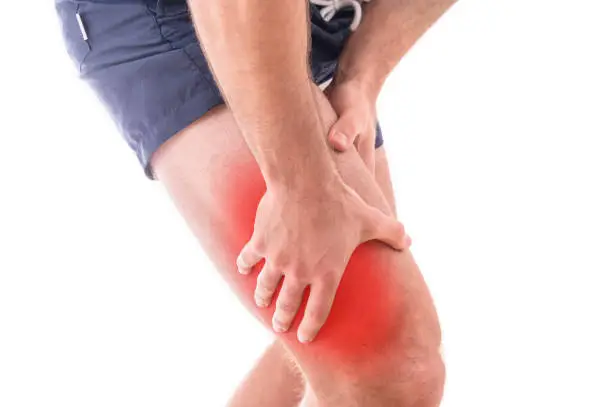
A quadriceps strain is a frequently encountered musculoskeletal injury that results from overstretching or tearing of one or more muscles within the quadriceps group. These muscles are located at the front of the thigh and include the rectus femoris, vastus lateralis, vastus medialis, and vastus intermedius. Collectively, the quadriceps are among the most powerful muscle groups in the human body, playing a central role in essential lower-limb movements such as knee extension, hip flexion, and stabilizing the knee joint during activities like walking, running, jumping, squatting, and climbing stairs.
Given their critical biomechanical role, the quadriceps are constantly engaged in both athletic and daily activities, making them vulnerable to strain injuries—especially when subjected to sudden bursts of force, explosive contractions, or repetitive overuse without adequate rest or conditioning. A quadriceps strain can manifest as anything from a mild muscle pull to a complete rupture, depending on the degree of muscle fiber damage. Individuals may experience pain, swelling, tenderness, muscle weakness, and limited mobility, which can severely impair function if not treated appropriately.
This injury is not exclusive to elite athletes; it can just as easily affect recreational sports participants, gym-goers, or individuals performing physically demanding tasks. Without proper intervention, a quadriceps strain may lead to chronic pain, scar tissue formation, recurring injuries, or long-term mobility issues.
At DMPhysios, a highly reputed clinic based in Noida, known for its specialization in spine and sports-related conditions, quadriceps strain is among the many soft tissue injuries expertly managed through a comprehensive, patient-centered approach. The clinic’s multidisciplinary team of physiotherapists, sports rehabilitation experts, and movement analysts work collaboratively to ensure each patient receives an accurate diagnosis, a personalized treatment plan, and a progressive return-to-sport strategy. With a strong emphasis on evidence-based care, education, and injury prevention, DMPhysios remains a trusted destination for individuals seeking lasting relief and full functional recovery from quadriceps strain.
Symptoms of Quadriceps Strain
Symptoms of quadriceps strain vary depending on the severity of the injury. Common signs include:
- Sudden sharp or pulling pain in the front of the thigh
- Swelling or bruising at the site of injury
- Tenderness when touching the muscle
- Difficulty in extending the knee or walking normally
- Stiffness or decreased range of motion
- Muscle weakness or fatigue
- A visible dent or lump in severe tears
In milder cases, symptoms may only appear after activity, while in more severe strains, the individual may be unable to walk without significant pain.
Types of Quadriceps Strain
Quadriceps strains are typically classified into three grades based on severity:
Grade I (Mild)
- Involves minimal tearing of muscle fibers
- Mild discomfort or tightness
- Little to no strength loss or swelling
- Patient can walk with minimal or no limp
Grade II (Moderate)
- Partial tearing of the muscle
- Moderate pain and tenderness
- Noticeable swelling and bruising
- Difficulty walking or running
- Decreased strength and range of motion
Grade III (Severe)
- Complete rupture or significant muscle fiber tearing
- Severe pain at the time of injury
- Extensive bruising and swelling
- Inability to walk without support
- Immediate loss of function
Each type of quadriceps strain requires a tailored treatment plan, which DMPhysios carefully designs to suit individual needs and severity.
Causes of Quadriceps Strain
Several factors can contribute to the development of a quadriceps strain, such as:
- Sudden acceleration or deceleration (e.g., sprinting, jumping)
- Overuse or fatigue of the quadriceps muscles
- Improper warm-up or stretching before physical activity
- Direct trauma (e.g., a fall or tackle in contact sports)
- Muscle imbalance between the quadriceps and hamstrings
- Previous injury to the same muscle group
- Poor technique during exercise or training
In many cases treated at DMPhysios, the root cause is biomechanical inefficiency, muscular imbalance, or inadequate recovery post-training.
Risk Factors
Anyone can suffer a quadriceps strain, but certain individuals are more at risk. Risk factors include:
- Athletes involved in running, football, basketball, or martial arts
- Inadequate conditioning or poor strength training
- Tight or inflexible muscles
- Older adults, whose muscle elasticity reduces with age
- Poor footwear or improper training surfaces
- Previous muscle injuries, especially in the thigh
- Sudden increase in physical activity without proper adaptation
These risk factors are thoroughly evaluated at DMPhysios, where clinicians work to address underlying contributors through comprehensive rehabilitation.
Treatment Options
The treatment of quadriceps strain depends on the severity and individual needs. Early intervention is crucial to prevent further damage.
Initial Management (First 48–72 hours)
- Rest: Avoid activities that worsen symptoms
- Ice: Apply cold packs for 15–20 minutes every 2–3 hours
- Compression: Use elastic bandages to reduce swelling
- Elevation: Keep the leg elevated to limit inflammation
Medical Treatment
- Pain management: NSAIDs (e.g., ibuprofen) may be recommended
- Ultrasound or laser therapy to promote healing
- Manual therapy for lymphatic drainage and pain modulation
For severe quadriceps strains (Grade III), surgical intervention may be required. Post-surgical rehabilitation is critical, and DMPhysios offers advanced post-op recovery plans for such cases.
Physiotherapy Treatment for Quadriceps Strain
At DMPhysios, physiotherapy forms the cornerstone of effective management and recovery from quadriceps strain. Their rehab programs are personalized, evidence-based, and designed for long-term success.
1. Acute Phase (Days 1–5)
Goals: Reduce pain, minimize swelling, protect tissue
- Cryotherapy and gentle compression
- Soft tissue mobilization to reduce tightness and inflammation
- Electrotherapy modalities like Accelerated Healing Therapy
- Gentle active range of motion (AROM) exercises within pain-free limits
- Isometric contractions of the quadriceps to maintain muscle engagement
2. Sub-Acute Phase (Day 5–3 weeks)
Goals: Restore flexibility, promote healing, improve strength
- Stretching exercises for the quadriceps and hamstrings
- Progressive strengthening using resistance bands
- Static and dynamic balance exercises
- Core stability and pelvic control training
- Manual therapy to improve soft tissue mobility
3. Functional Strength Phase (3–6 weeks)
Goals: Improve endurance, coordination, and return to function
- Eccentric quadriceps strengthening
- Leg presses, lunges, and step-ups with graduated resistance
- Proprioceptive drills on balance boards
- Treadmill walking or light jogging (if pain-free)
- Sport-specific drills under therapist supervision
4. Return to Sport Phase (6+ weeks)
Goals: Full return to pre-injury performance
- Plyometric training (e.g., bounding, jump squats)
- Agility training (cones, ladders)
- High-intensity interval training (HIIT) for conditioning
- Biomechanical assessment and correction
- Preventive education on warm-ups and muscle balance
Physiotherapists at DMPhysios emphasize gradual progression, frequent reassessments, and patient education to prevent re-injury. They also use motion analysis tools to ensure optimal movement patterns during return-to-play stages.
Prevention of Quadriceps Strain
Preventive strategies can significantly lower the chances of developing a quadriceps strain, especially for athletes and active individuals:
- Warm-up thoroughly before engaging in physical activity
- Regular stretching of the quadriceps, hamstrings, and hip flexors
- Strength training with a focus on muscle balance
- Proper technique during exercises and sports drills
- Use of supportive footwear and appropriate training surfaces
- Adequate hydration and nutritional support
- Rest and recovery days between intense workouts
At DMPhysios, preventive care is a key pillar. Whether you are a weekend jogger or an elite athlete, the team works with you to create preventive programs that are sustainable and personalized.
Conclusion
A quadriceps strain may seem like a minor issue initially, but if neglected, it can hinder performance, cause long-term pain, and affect quality of life. Early diagnosis, targeted treatment, and a structured physiotherapy program are crucial for a successful recovery.
At DMPhysios, located in Noida and specializing in spine and sports conditions, the focus is not only on treating injuries but also on empowering patients through education, movement correction, and customized rehabilitation. Whether you are recovering from a quadriceps strain or looking to prevent one, DMPhysios ensures your care is patient-centered, precise, and progressive.
Don’t ignore thigh pain or discomfort—let the experts help you get back to your best. Schedule a consultation with DMPhysios today and take the first step toward complete recovery.