Overview
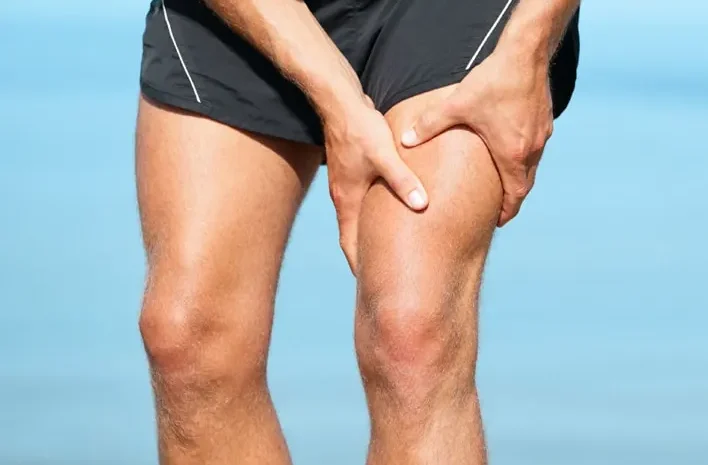
The quadriceps tendon is one of the most important structures in the lower limb. It is a thick, powerful band of connective tissue that links the four quadriceps muscles on the front of the thigh to the patella (kneecap). Together with the patellar tendon and surrounding soft tissues, it forms the knee’s extensor mechanism — the system responsible for straightening the leg and allowing everyday movements such as walking, climbing stairs, running, squatting, rising from a chair, and jumping. Because this tendon transmits such high forces, it is critical for stability, balance, and athletic performance.
A quadriceps tendon rupture occurs when this tendon tears partially or completely. When the fibers fail, the normal continuity between the quadriceps muscles and the kneecap is lost, and the ability to actively extend or straighten the knee becomes severely compromised. Even a partial tear can cause pain, weakness, and functional limitation, while a complete rupture typically leads to profound disability and often requires surgical repair.
Although less common than injuries to the patellar tendon, a quadriceps tendon rupture is a significant injury that demands immediate attention. It usually happens when a bent knee is suddenly and forcefully loaded — for example, landing awkwardly from a jump, missing a step on the stairs, or trying to catch a fall. Athletes who engage in explosive lower-limb movements, older adults with age-related tendon changes, and individuals with underlying medical conditions that weaken connective tissue are especially vulnerable. Without timely diagnosis and appropriate management, this injury can progress to chronic knee weakness, recurrent instability, and long-term difficulty returning to work, sport, and normal daily activities.
At DMPhysios, a leading clinic located in Noida that specializes in spine and sports conditions and is known for its patient-centered rehabilitation programs, we regularly see how early assessment and individualized treatment plans transform outcomes for people with a quadriceps tendon rupture. Our evidence-based approach focuses not only on healing the tendon but also on restoring strength, mobility, and confidence so that patients can safely return to their desired activities.
Symptoms
Recognizing the signs of a quadriceps tendon rupture is crucial for early intervention. Common symptoms include:
- Sudden pain at the front of the knee or above the kneecap during an activity.
- A tearing or popping sensation at the moment of injury.
- Inability to straighten the knee actively or perform a straight-leg raise.
- Swelling and bruising around the knee joint within hours.
- A palpable gap just above the kneecap where the tendon has torn.
- Loss of strength in the quadriceps muscles.
- Difficulty walking or bearing weight on the affected limb.
Partial tears may present as persistent pain, weakness, and difficulty with activities like climbing stairs, whereas complete ruptures almost always result in severe functional loss.
Types of Quadriceps Tendon Rupture
Although people often talk about a quadriceps tendon rupture as if it is one single injury, in practice clinicians look carefully at the pattern, location, and severity of the tear. Knowing exactly which type of rupture has occurred helps doctors and physiotherapists decide on the most appropriate management plan and predict how long recovery will take. At DMPhysios in Noida, this classification is part of our standard assessment before creating a personalised rehabilitation programme.
- Partial Quadriceps Tendon Rupture
In a partial rupture, only a portion of the tendon fibres have been torn. The extensor mechanism of the knee is still intact, so the patient can usually extend the knee, but often with pain, weakness, and reduced control. This type may occur after repetitive overload, in people with underlying tendon degeneration, or following a relatively minor trauma. Early diagnosis and structured physiotherapy can often prevent the tear from worsening. - Complete Quadriceps Tendon Rupture
In a complete rupture, the tendon has fully detached from the kneecap. The link between the quadriceps muscles and the patella is lost, and the patient typically cannot straighten the knee or perform a straight-leg raise. This injury almost always requires prompt surgical repair followed by a carefully staged rehabilitation plan. Without surgery and appropriate rehab, significant long-term weakness and disability are likely. - Acute Quadriceps Tendon Rupture
An acute rupture refers to a sudden, traumatic tear, often occurring during sports or a fall. The event is usually memorable — patients often report feeling or hearing a “pop” just above the kneecap. Immediate swelling, pain, and loss of function follow. Quick recognition and early treatment at a specialist centre such as DMPhysios greatly improve outcomes. - Chronic Quadriceps Tendon Rupture
A chronic rupture develops when an initial tear is not diagnosed, is mismanaged, or healing is delayed. Over time, scar tissue forms and the tendon retracts, making surgical repair more complex and rehabilitation slower. Chronic cases may also present with muscle wasting, stiffness, and altered gait patterns, which require a more intensive, individualised physiotherapy programme to restore function.
Identifying whether a quadriceps tendon rupture is partial, complete, acute, or chronic is vital. This classification guides decisions about immobilisation versus surgery, sets realistic recovery timelines, and helps the team at DMPhysios plan the safest and most effective path back to full activity for each patient.
Causes
A quadriceps tendon rupture usually results from a combination of forceful stress and underlying tendon weakness. Common causes include:
- Direct Trauma: A blow to the front of the knee or a fall onto a bent knee.
- Sudden Load During Contraction: Attempting to jump, sprint, or change direction with the knee partially flexed.
- Degenerative Changes: Age-related weakening of the tendon fibers.
- Chronic Overuse: Repetitive microtrauma from activities like running, jumping, or heavy lifting.
- Previous Knee Surgery: Procedures like total knee arthroplasty can predispose to rupture.
At DMPhysios in Noida, we frequently evaluate patients with sports-related injuries where the mechanism is typically a sudden eccentric contraction of the quadriceps during deceleration or landing.
Risk Factors
Several factors increase the risk of sustaining a quadriceps tendon rupture:
- Age over 40 years – tendons lose elasticity and strength with aging.
- Chronic diseases such as diabetes, rheumatoid arthritis, chronic kidney disease, or hyperparathyroidism.
- Use of corticosteroids or certain antibiotics (e.g., fluoroquinolones) known to weaken tendons.
- Previous tendon injuries or surgery around the knee.
- High-impact sports participation (basketball, volleyball, sprinting).
- Obesity or poor lower-limb mechanics increasing tendon strain.
Understanding these risk factors helps clinicians at DMPhysios develop preventive strategies for at-risk individuals, especially athletes and middle-aged adults engaged in high-demand activities.
Treatment
Non-Surgical Treatment
This approach is usually reserved for partial quadriceps tendon ruptures where the extensor mechanism is still intact. Treatment may include:
- Immobilization of the knee in a brace or cast in full extension for 3–6 weeks.
- Pain and inflammation control with ice, rest, and anti-inflammatory medications.
- Gradual physiotherapy to restore range of motion and strength after immobilization.
Surgical Treatment
For complete quadriceps tendon rupture, surgery is almost always required. This involves:
- Primary repair of the tendon back to the patella using sutures or anchors.
- Augmentation with grafts in chronic or large tears.
- Post-operative immobilization followed by a structured rehabilitation program.
At DMPhysios, we work closely with orthopedic surgeons to ensure patients who undergo surgical repair receive coordinated, patient-centered rehab that optimizes outcomes and minimizes complications.
Physiotherapy Treatment
Rehabilitation is a cornerstone of recovery after a quadriceps tendon rupture—whether managed surgically or non-surgically. At DMPhysios, our physiotherapists in Noida follow evidence-based, individualized protocols focusing on safe progression.
Early Phase (0–6 weeks post-injury or post-surgery)
- Immobilization & Protection: The knee is usually in a brace locked in extension. Weight-bearing is allowed as tolerated with crutches.
- Pain & Swelling Control: Cryotherapy, gentle patellar mobilizations, and elevation.
- Isometric Quadriceps Contractions: Gentle, pain-free tightening of the quadriceps to maintain muscle activation.
- Hip and Ankle Exercises: To prevent deconditioning of adjacent joints.
Intermediate Phase (6–12 weeks)
- Progressive Range of Motion (ROM): Gradual increase of knee flexion within safe limits prescribed by the surgeon.
- Closed-Chain Strengthening: Partial weight-bearing mini-squats, step-ups, and leg presses within a protected range.
- Neuromuscular Re-education: Balance and proprioceptive training using unstable surfaces to retrain knee stability.
- Gait Training: Focused practice on normalized walking patterns.
Advanced Phase (12–20 weeks)
- Full ROM Exercises: Achieving near-complete knee flexion and extension.
- Progressive Strengthening: Open-chain knee extensions, resisted squats, lunges, and use of gym equipment under supervision.
- Functional Training: Sport-specific drills, agility ladders, plyometrics when appropriate.
- Endurance Training: Cycling, swimming, and low-impact cardio to improve stamina.
Return-to-Sport / Return-to-Work Phase (5–9 months)
- High-Level Strength Testing: To ensure quadriceps strength is at least 85–90% of the opposite limb.
- Advanced Agility & Jump Training: For athletes preparing to resume sports.
- Education on Load Management: Teaching proper warm-ups, cool-downs, and progressive training strategies to prevent re-injury.
At DMPhysios, every quadriceps tendon rupture rehabilitation plan is adapted to the individual’s surgical findings, age, occupation, and goals. Our patient-centered approach ensures that recovery is not only about healing the tendon but also about restoring full function and confidence.
Prevention
While not all cases of quadriceps tendon rupture can be prevented, several strategies can reduce risk:
- Regular Strengthening Exercises: Focus on quadriceps, hamstrings, and hip stabilizers to balance forces across the knee.
- Flexibility Training: Maintaining adequate length of the quadriceps and surrounding muscles.
- Gradual Progression in Sports: Avoiding sudden spikes in training intensity or load.
- Proper Warm-Up and Cool-Down: Enhances tissue elasticity and readiness for activity.
- Addressing Underlying Conditions: Managing chronic illnesses, reviewing medications with healthcare providers.
- Use of Supportive Braces or Taping: In individuals with a history of tendon issues.
At DMPhysios in Noida, we also offer preventive screening programs for athletes and middle-aged adults at higher risk for quadriceps tendon rupture, educating them about modifiable risk factors and safe training practices.
Conclusion
A quadriceps tendon rupture is a significant injury that can severely limit mobility and quality of life if not properly treated. Prompt diagnosis, timely medical intervention, and a structured rehabilitation plan are essential for optimal recovery.
At DMPhysios, a premier clinic in Noida specializing in spine and sports conditions, our multidisciplinary team offers evidence-based, patient-centered rehabilitation for individuals recovering from quadriceps tendon rupture. From the early protective phase to the advanced return-to-sport stage, our physiotherapists work closely with you to rebuild strength, restore function, and prevent future injuries.If you or someone you know is dealing with a quadriceps tendon rupture, don’t wait—contact DMPhysios today to book a comprehensive assessment. Together, we’ll create a personalized roadmap to help you heal, regain your confidence, and return to the activities you love.