
Overview
Rheumatoid arthritis (RA) is a long-term, systemic autoimmune condition that primarily targets the body’s synovial joints—those responsible for flexibility and movement. Unlike osteoarthritis, which results from long-term wear and tear of the joints, rheumatoid arthritis arises when the immune system mistakenly targets the body’s own joint tissues, triggering chronic inflammation.
This results in persistent swelling, pain, stiffness, and ultimately, progressive damage to the cartilage and bones within the joints. If left untreated, RA can cause severe joint deformities, reduced mobility, and permanent disability.
However, the effects of rheumatoid arthritis are not confined to the joints alone. Being a systemic condition, it can also impact various other organs and tissues throughout the body. Many individuals with RA may experience complications affecting the skin, lungs, eyes, blood vessels, and even the cardiovascular system.
Over time, this widespread inflammation can lead to fatigue, weakness, weight loss, and a significant decline in daily functioning. The unpredictable nature of flare-ups and remissions adds to the physical and emotional burden of the disease.
Being a progressive autoimmune condition, rheumatoid arthritis requires early detection and timely intervention to effectively control symptoms and minimize long-term joint damage. That’s where DMPhysios steps in. Located in Noida, DMPhysios is a trusted physiotherapy clinic with a specialized focus on spine and sports conditions. What sets us apart is our commitment to patient-centered rehabilitation—an approach that places your individual needs, goals, and challenges at the core of every treatment plan.
At DMPhysios, we understand the complexities of living with rheumatoid arthritis, and our multidisciplinary team is dedicated to providing comprehensive care that combines therapeutic education, movement-based therapy, pain management, and lifestyle support. Our goal is not just to treat the symptoms, but to help you regain confidence, function, and quality of life—one step at a time.
Symptoms of Rheumatoid Arthritis
The symptoms of rheumatoid arthritis often begin subtly and may come and go, particularly in the early stages. As the disease progresses, symptoms tend to become more persistent and severe. Common symptoms include:
- Joint pain and tenderness, especially in the small joints of the hands and feet
- Swelling and warmth in affected joints
- Morning stiffness lasting more than 30 minutes
- Fatigue, fever, and loss of appetite
- Symmetrical joint involvement (affecting the same joints on both sides of the body)
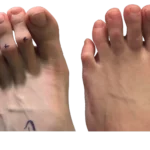
- Joint deformities in advanced cases
- Reduced range of motion in affected joints
- Rheumatoid nodules, or firm lumps under the skin
The intensity of symptoms can differ significantly between individuals. Some experience mild discomfort, while others may face significant functional limitations.
Types of Rheumatoid Arthritis
Although rheumatoid arthritis is typically categorized as a single disease, it can present in several distinct patterns:
- Seropositive RA
The most common form, where patients test positive for rheumatoid factor (RF) or anti-CCP antibodies. This type is usually more aggressive and destructive. - Seronegative RA
In this form, patients do not show RF or anti-CCP antibodies in their blood, but still experience typical symptoms. It may be less severe than seropositive RA. - Juvenile Rheumatoid Arthritis (JRA)
Also known as juvenile idiopathic arthritis (JIA), it affects children under 16 and can lead to long-term joint damage if not properly managed.
At DMPhysios, our experienced team carefully evaluates the type and severity of rheumatoid arthritis to personalize treatment for optimal outcomes.
Causes of Rheumatoid Arthritis
The exact cause of rheumatoid arthritis is unknown, but it is believed to result from a complex interplay of genetic, environmental, and immunological factors. Potential causes and triggers include:
- Genetic predisposition (certain HLA genes increase risk)
- Infections that may trigger an abnormal immune response
- Hormonal imbalances
- Environmental factors such as smoking or exposure to silica
The immune system, instead of protecting the body, begins to attack its own tissues, particularly the synovium, causing inflammation and joint damage.
Risk Factors
Multiple factors can elevate the likelihood of developing rheumatoid arthritis, including:
- Gender: Women are two to three times more prone to rheumatoid arthritis compared to men.
- Age: Commonly develops between ages 30 and 60.
- Family history: A close relative with RA increases your risk.
- Smoking: Strongly associated with both the development and severity of RA.
- Obesity: Higher body weight can contribute to the onset and progression.
- Environmental exposure: Contact with asbestos or silica may trigger RA.
At DMPhysios, we take a thorough patient history to identify potential risk factors and tailor our physiotherapy interventions accordingly.
Treatment
Rheumatoid arthritis is a lifelong condition that cannot be cured, but it can be effectively managed with a combination of medications and lifestyle modifications.
Common Medical Treatments Include:
- NSAIDs
Nonsteroidal anti-inflammatory drugs (like ibuprofen and naproxen) help reduce pain and inflammation. - Corticosteroids
Medications like prednisone are used to control acute flare-ups. - DMARDs (Disease-Modifying Anti-Rheumatic Drugs)
Methotrexate, sulfasalazine, and hydroxychloroquine help slow disease progression. - Biologic Agents
TNF inhibitors (like etanercept or adalimumab) target specific components of the immune system. - JAK Inhibitors
A newer class of drugs that interrupt inflammatory pathways. - Surgical Intervention
In severe cases, joint replacement or synovectomy (removal of inflamed synovium) may be required.
Even with medications, rheumatoid arthritis can impact physical function, which is where physiotherapy becomes essential.
Physiotherapy Treatment
At DMPhysios, physiotherapy is at the core of managing rheumatoid arthritis. Our team of skilled physiotherapists in Noida offers patient-centered rehabilitation programs that aim to improve joint mobility, reduce pain, and enhance overall function.
Goals of Physiotherapy:
- Maintain joint flexibility and strength
- Reduce stiffness and pain
- Improve endurance and cardiovascular health
- Promote joint protection strategies
- Enhance independence in daily activities
Key Physiotherapy Interventions at DMPhysios:
- Range of Motion (ROM) Exercises
- Gentle, controlled movements to maintain or improve joint mobility
- Tailored to avoid joint stress during flare-ups
- Strengthening Exercises
- Focus on low-resistance exercises using resistance bands or light weights
- Emphasis on strengthening surrounding muscles to support joints
- Hydrotherapy
- Exercising in warm water reduces joint stress and pain
- Water buoyancy supports weak joints and improves mobility
- Aerobic Conditioning
- Low-impact exercises such as walking, cycling, or swimming
- Aims to enhance cardiovascular health and reduce fatigue
- Joint Protection Techniques
- Training in body mechanics, ergonomic tools, and pacing strategies
- Use of assistive devices (splints, braces) where needed
- Manual Therapy
- Soft tissue mobilization and gentle joint mobilizations to reduce stiffness
- Promotes circulation and relieves muscle tension
- Pain Management Techniques
- TENS (Transcutaneous Electrical Nerve Stimulation)
- Cryotherapy (cold packs) during acute inflammation
- Heat therapy during remission to reduce stiffness
- Patient Education
- Educating patients on self-management, flare-up recognition, and activity modification
- Lifestyle counseling to integrate physical activity safely
The DMPhysios team ensures that each rheumatoid arthritis patient receives individualized care based on current joint status, activity levels, and personal goals.
Prevention of Rheumatoid Arthritis
While there is no guaranteed way to prevent rheumatoid arthritis, certain strategies may reduce the risk or delay onset:
- Avoid smoking, as it’s a major risk factor
- Maintain a healthy weight to reduce joint stress and systemic inflammation
- Exercise regularly to boost immune health and improve joint function
- Eat an anti-inflammatory diet, rich in omega-3s, fruits, and vegetables
- Manage stress, which can exacerbate autoimmune responses
- Get regular health screenings to detect early signs
At DMPhysios, we also conduct awareness and prevention programs in Noida to educate people about early symptoms and the importance of timely intervention.
Conclusion
Rheumatoid arthritis is a complex, multifactorial condition that demands a holistic approach to care. While medications are essential in controlling inflammation and immune activity, physiotherapy plays a critical role in preserving function, reducing pain, and enhancing quality of life.
At DMPhysios, a trusted clinic in Noida specializing in spine and sports conditions, we pride ourselves on offering patient-centered rehabilitation tailored to the unique challenges of rheumatoid arthritis. Whether you’re newly diagnosed or living with long-term joint damage, our team is here to support your journey toward better health and mobility.
Don’t let rheumatoid arthritis control your life. Take the first step today. Book a consultation with DMPhysios in Noida and discover how expert physiotherapy can help you reclaim movement, strength, and confidence.