Overview
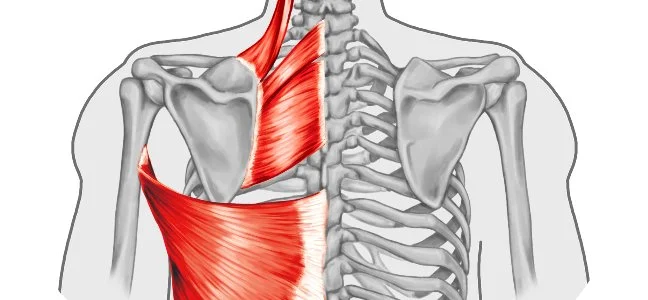
The rhomboid muscles are a crucial pair of muscles in the upper back that lie deep beneath the trapezius. They extend from the spinal column to the inner edge of the shoulder blades (scapula), forming a vital link between the spine and the shoulder girdle. Their primary function is to stabilize, retract, and rotate the scapula, actions that are essential not only for maintaining upright posture but also for enabling smooth and coordinated shoulder and arm movements. Whether you are lifting objects, pulling during a workout, swimming, or simply sitting upright, the rhomboids are constantly active in supporting proper shoulder blade alignment.
When these muscles are subjected to excessive load, repetitive strain, or sudden overstretching, they can sustain damage in the form of tiny tears or more significant fiber disruption. This condition is known as a rhomboid strain. Such an injury can result in localized pain, stiffness, and a sensation of tightness in the upper back region, particularly between the shoulder blades. Left unaddressed, it may limit day-to-day activities, compromise posture, and even affect athletic performance, especially in sports that demand repetitive overhead or pulling movements.
A rhomboid strain is not just an inconvenience, it can influence breathing mechanics, sitting comfort, and even sleep, as discomfort in this area often increases with certain postures or prolonged positions. That is why early recognition and effective rehabilitation are so important.
At DMPhysios, a specialized clinic in Noida focusing on spine and sports-related conditions, patients with rhomboid strain are offered individualized, patient-centered rehabilitation. The treatment approach goes beyond simply relieving pain. It emphasizes restoring optimal muscle function, correcting postural imbalances, and building long-term resilience in the upper back and shoulder complex. This holistic method ensures that patients not only recover from the immediate injury but also regain the strength and flexibility necessary to prevent recurrences and return to their daily activities or sports with confidence.
Symptoms
The severity of symptoms varies depending on whether the rhomboid strain is mild, moderate, or severe. Common signs include:
- Pain between the shoulder blades: A dull ache or sharp pain felt during movement, particularly when pulling or lifting.
- Tenderness in the upper back: Pain on palpation along the medial border of the scapula.
- Stiffness and tightness: Reduced mobility in the shoulders and upper back.
- Muscle spasms: Sudden tightening of the rhomboid muscles.
- Worsening pain with activity: Pain increases when pushing, pulling, rowing, or reaching overhead.
- Postural discomfort: Pain often worsens with slouched posture or prolonged sitting.
Types of Rhomboid Strain
Rhomboid strain is usually classified based on severity into three grades:
- Grade I (Mild)
- Micro-tears in the muscle fibers
- Mild pain or dull ache between the shoulder blades
- Slight stiffness, especially after activity
- No significant functional limitation
- Recovery is usually quick with rest and light physiotherapy
- Grade II (Moderate)
- Partial tearing of muscle fibers
- Moderate pain, often sharper in nature
- Swelling and tenderness along the medial border of the scapula
- Reduced mobility of the shoulder and upper back
- Difficulty with lifting, pulling, or prolonged sitting
- Requires structured physiotherapy for full recovery
- Grade III (Severe)
- Complete or near-complete tear of the rhomboid muscle
- Severe, sudden pain with possible swelling or bruising
- Significant loss of function and restricted movement
- Even simple daily tasks become difficult
- Long recovery period, often requiring intensive physiotherapy; in rare cases, medical intervention may be needed
Classification of rhomboid strain helps determine treatment intensity, rest periods, and rehabilitation planning.
At DMPhysios, Noida, each grade is carefully assessed to design a patient-centered rehab program aimed at safe recovery and prevention of recurrence.
Causes
A rhomboid strain usually develops due to repetitive stress, acute injury, or poor movement patterns. Common causes include:
- Repetitive overhead movements such as swimming, tennis, or throwing sports.
- Carrying heavy backpacks or bags that overstress the upper back.
- Sudden jerking or pulling motions during lifting or sports.
- Prolonged poor posture, especially slouching at a desk or computer.
- Inadequate warm-up before strenuous activity.
- Weakness or imbalance in surrounding muscles such as the trapezius, rotator cuff, or core.
Risk Factors
Certain factors increase the likelihood of developing a rhomboid strain:
- Athletes in overhead sports like swimmers, baseball players, badminton or tennis players.
- Office workers who spend long hours sitting in front of computers with poor ergonomics.
- Manual laborers frequently lifting or pulling heavy objects.
- Poor posture habits leading to overstretching of the rhomboid muscles.
- History of upper back injuries that weaken the muscle.
- Insufficient strength training or flexibility in the scapular stabilizers.
DMPhysios often sees rhomboid strain in both young athletes and working professionals due to this wide range of risk factors.
Treatment
Treatment depends on the severity of the strain but usually involves a combination of rest, pain management, and rehabilitation.
1. Immediate Management
- Rest and activity modification: Avoid activities that trigger pain.
- Ice application: 15–20 minutes, several times a day, especially in the first 48 hours.
- Heat therapy: After the acute stage, to relax the muscle and improve blood circulation.
- Pain relief: Over-the-counter medications (as advised by a doctor) for severe discomfort.
2. Medical Interventions
- In more severe cases, a physician may recommend muscle relaxants, anti-inflammatory medication, or in rare cases, injections to manage pain and inflammation.
3. Rehabilitation and Physiotherapy
This is the cornerstone of treatment and long-term recovery. At DMPhysios, physiotherapists create a personalized rehab program focusing on pain relief, mobility, and progressive strengthening.
Physiotherapy Treatment
Physiotherapy is essential not just to heal the rhomboid strain but also to prevent recurrence. At DMPhysios, the treatment approach is evidence-based and individualized.
Phase 1: Pain Relief and Acute Care
- Electrotherapy modalities: TENS or ultrasound to reduce pain and inflammation.
- Gentle soft tissue mobilization: Relieves tension and promotes healing.
- Postural correction techniques: Ergonomic advice for sitting and working positions.
Phase 2: Flexibility and Mobility
- Stretching: Gentle stretching of the rhomboids and surrounding muscles to prevent stiffness.
- Example: Cross-body shoulder stretch, upper trapezius stretch.
- Scapular mobility drills: Improving smooth scapulothoracic movement.
Phase 3: Strengthening
- Scapular stabilization exercises:
- Scapular retractions (band or bodyweight).
- Prone Y, T, W exercises.
- Resistance training: Using bands or light weights to progressively load the rhomboids.
- Core strengthening: To reduce compensatory strain on the upper back.
Phase 4: Functional Training
- Sport-specific drills for athletes (e.g., swim stroke corrections, racket-sport mechanics).
- Workplace posture correction for office workers.
- Gradual return to activity programs designed to restore full performance.
At DMPhysios in Noida, physiotherapists not only guide exercises but also educate patients on self-management strategies. This ensures long-term relief and reduces the chances of recurrent rhomboid strain.
Prevention
Preventing rhomboid strain requires attention to posture, exercise technique, and lifestyle habits. Some key strategies include:
- Maintain good posture: Keep shoulders back and spine neutral when sitting or standing.
- Ergonomic workspace setup: Adjust chair, desk, and screen height.
- Regular strengthening: Focus on scapular stabilizers, rotator cuff, and core muscles.
- Flexibility exercises: Stretching the chest and upper back to maintain balance.
- Warm-up before sports: Gradual activation of upper back muscles before heavy use.
- Avoid prolonged strain: Take breaks during long periods of desk work or heavy lifting.
DMPhysios emphasizes prevention through education, teaching patients how to integrate simple exercises and posture corrections into daily life.
Conclusion
A rhomboid strain may seem like a minor condition but can significantly impact posture, comfort, and athletic performance if left untreated. Recognizing symptoms early, addressing underlying causes, and engaging in structured physiotherapy are key to full recovery.
At DMPhysios in Noida, expert physiotherapists provide patient-centered rehabilitation for rhomboid strain and other spine and sports-related conditions. Their approach not only focuses on immediate pain relief but also strengthens the upper back, corrects posture, and prevents recurrence.
If you are experiencing upper back pain or suspect a rhomboid strain, do not ignore it. Early assessment and treatment can help you recover faster and return to your daily activities without limitations.
Visit DMPhysios in Noida today to begin your personalized rehabilitation journey and take the first step towards a stronger, pain-free back.