Overview
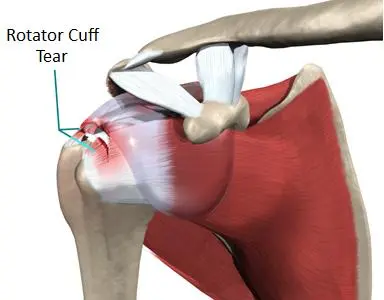
A rotator cuff tear refers to damage or tearing of one or more tendons that make up the rotator cuff in the shoulder joint. The rotator cuff is a group of four muscles and their tendons — supraspinatus, infraspinatus, subscapularis, and teres minor that stabilize the shoulder joint and enable a wide range of movements including lifting, rotating, and reaching overhead.
Rotator cuff injuries can vary in severity, from partial tears—where the tendon is damaged but remains intact—to full-thickness tears, in which the tendon is completely torn and may separate from the bone. These injuries may stem from sudden trauma, repetitive overuse, or age-related degenerative changes.
At DMPhysios, we specialize in diagnosing and treating shoulder-related injuries through evidence-based physiotherapy and personalized rehabilitation plans that restore shoulder function and prevent recurrence.
Grades of Rotator Cuff Injury
Rotator cuff injuries vary in severity and are commonly classified into different grades based on the extent of tendon damage. Understanding these grades helps in determining the appropriate treatment plan and expected recovery. Below is a detailed breakdown of the grading system:
Grade 1: Tendinopathy or Mild Strain
- Description:
This is the earliest form of injury where the rotator cuff tendons show signs of irritation or inflammation without any tearing. Rotator Cuff Tear is usually the result of overuse, repetitive motion, or minor trauma. - Symptoms:
- Mild shoulder pain, especially during overhead activities
- Slight weakness in arm movement
- Tenderness over the shoulder joint
- Imaging Findings:
No visible tear, but MRI may show thickened or inflamed tendon tissue. - Treatment Approach:
Conservative management including rest, physiotherapy, anti-inflammatory medications, and activity modification.
Grade 2: Partial-Thickness Tear
- Description:
In this stage, the tendon is partially torn. The tear involves some, but not all, of the tendon fibers. These tears can be on the surface (bursal side), deep side (articular side), or within the tendon substance (intrasubstance). - Symptoms:
- Moderate pain that worsens with activity
- Noticeable weakness, especially with lifting or rotating the arm
- Pain may disturb sleep
- Imaging Findings:
MRI or ultrasound shows partial disruption of tendon fibers. - Treatment Approach:
Most cases respond well to structured physiotherapy, pain management, and strengthening. Surgery may be considered if symptoms persist despite conservative care.
Grade 3: Full-Thickness Tear
- Description:
The tendon is completely torn through its thickness, from the top to the bottom surface. In some cases, it may be detached entirely from the bone (humerus). - Symptoms:
- Severe pain and significant weakness
- Limited range of motion, especially for overhead and rotational movements
- Audible clicking or popping in the shoulder
- Imaging Findings:
MRI confirms a complete discontinuity of the tendon. Retraction of the tendon may also be observed. - Treatment Approach:
Full-thickness tears often require surgical repair, especially in active individuals or those with significant functional loss. Post-surgical rehabilitation is essential for recovery.
Massive or Chronic Tear (Advanced Stage)
- Description:
A full-thickness tear involving two or more tendons, often with muscle atrophy or fatty degeneration. These are typically chronic and may lead to permanent dysfunction if not addressed. - Symptoms:
- Constant shoulder pain, even at rest
- Inability to lift the arm above shoulder level
- Noticeable muscle wasting around the shoulder
- Imaging Findings:
MRI or ultrasound shows large tendon gaps, retraction, and associated muscle degeneration. - Treatment Approach:
Surgical intervention may be more complex and outcomes may vary. In some cases, tendon transfer or shoulder replacement may be considered.
Symptoms
The symptoms of a rotator cuff tear vary based on the severity of the injury but typically include:
- Ongoing shoulder pain, especially noticeable when raising the arm.
- Discomfort during the night, often interrupting sleep, particularly when lying on the affected side.
- Weakness when attempting overhead or rotational movements
- Limited mobility in the shoulder joint
- A crackling or popping sensation (crepitus) during certain movements
- Inability to perform daily tasks like combing hair, reaching overhead, or lifting objects
- Muscle wasting (atrophy) in the shoulder can occur with chronic or long-standing rotator cuff tears.
If not treated in time, these tears may progress to frozen shoulder, arthritis, or even permanent loss of shoulder function.
Causes
Rotator cuff tears can either result from a sudden traumatic event or develop progressively over time due to wear and tear. Common causes include:
- Acute trauma: A fall on an outstretched arm, heavy lifting, or a sudden jerk
- Repetitive overhead motions: Common in athletes (swimmers, cricketers, tennis players) and certain professions (painters, carpenters)
- Age-related degeneration: Tendons wear down with age, becoming more prone to tearing
- Poor blood supply: Reduced circulation to the rotator cuff area slows down healing
- Shoulder Impingement Syndrome: Occurs when the rotator cuff tendon becomes pinched between surrounding bony structures, leading to irritation and inflammation.
- Bone Spurs: Bony overgrowths that can rub against the tendon, gradually causing friction, irritation, or tendon degeneration.
Understanding the cause is essential for selecting the right treatment approach.
Risk Factors
Several risk factors may predispose an individual to develop a rotator cuff tear:
- Age related degeneration or wear and tear that can be a result of age
- Sports involving repetitive shoulder movement like baseball, badminton, swimming, and weightlifting
- Occupations requiring overhead activity, such as electricians or construction workers
- Poor posture or shoulder alignment issues
- Family history of rotator cuff injuries or shoulder instability
- Smoking, which reduces tendon healing capability
- Previous shoulder injuries or dislocations
Recognizing these factors allows for early preventive strategies to reduce injury risk.
Treatment
Treatment depends on the extent of the tear and the patient’s age, activity level, and functional goals. Options include:
Medical Management
- Rest and activity modification to avoid aggravating the tear
- NSAIDs to relieve inflammation and pain
- Corticosteroid injections to reduce severe inflammation (short-term relief)
- Platelet-rich plasma (PRP) therapy in selected cases for tendon healing
- Surgical repair in cases of full-thickness tears or when conservative therapy fails
However, for many partial tears and chronic cases, a structured physiotherapy program is the first line of treatment and often eliminates the need for surgery.
Physiotherapy Treatment (in detail)
At DMPhysios, our approach to rotator cuff rehabilitation is thorough, personalized, and progressive, ensuring a safe return to function and activity. Our rehabilitation protocol includes the following:
1. Pain and Inflammation Management
- Ice therapy during the acute phase to reduce swelling
- Accelerated Healing Therapy (AHT) – an advanced electrotherapy modality we use at DMPhysios to stimulate tendon healing, reduce inflammation, and promote cellular repair
- Manual therapy techniques to reduce soft tissue tension and mobilize the shoulder joint
2. Range of Motion (ROM) Restoration
- Pendulum exercises and passive-assisted movements in early stages
- Progressive active ROM exercises to restore full joint mobility
- Capsular stretches if shoulder tightness or impingement is present
- Mobilization with movement (MWM) techniques to address restricted patterns
3. Strengthening and Muscle Balance
- Isometric exercises initially to activate rotator cuff muscles without strain
- Progressive resistance exercises using bands and light weights for supraspinatus, infraspinatus, and subscapularis
- Scapular stabilization training to support shoulder biomechanics
- Eccentric loading to strengthen the tendon and prevent re-tears
- Functional exercises tailored to sport or occupation-specific needs
4. Postural Correction and Ergonomics
- Postural retraining to reduce forward head and rounded shoulder positions
- Ergonomic advice for workstations, lifting techniques, and athletic form
- Education on avoiding impingement-provoking positions during recovery
5. Proprioception and Return to Activity
- Neuromuscular re-education for better joint control
- Closed-chain exercises and plyometrics for athletes
- A graded return-to-sport or work plan, ensuring strength and control are optimal
The goal of physiotherapy is to restore pain-free movement, improve strength and coordination, and prevent future injuries by correcting biomechanical issues.
Prevention
Though not all rotator cuff tears are preventable, several strategies can help minimize the risk:
- Warm-up before activities involving the shoulder, especially sports
- Strengthen shoulder stabilizers, particularly the rotator cuff and scapular muscles
- Incorporate flexibility training for the chest, upper back, and shoulders for better strength
- Avoid repetitive overhead movements without proper form or rest
- Correct poor posture, especially forward head and rounded shoulders
- Use ergonomic aids when performing high-risk tasks
- Seek early intervention for shoulder discomfort, small tears are easier to treat than chronic ones
At DMPhysios, we also conduct shoulder screening and performance analysis for athletes and individuals in high-risk occupations to catch early signs of overload or dysfunction.
Conclusion
A Rotator Cuff Tear can severely impact one’s ability to perform basic movements and lead to long-term disability if not managed promptly. However, with the right diagnosis, structured physiotherapy, and preventive measures, full recovery is not only possible, it’s expected.
At DMPhysios, we combine advanced clinical expertise, cutting-edge rehab technologies like Accelerated Healing Therapy, and a deeply personalized care model to treat rotator cuff tears effectively. Whether you’re an athlete, a working professional, or someone simply trying to regain pain-free movement, our team is dedicated to guiding you every step of the way.
Don’t let shoulder pain limit your potential. Visit DMPhysios today and take the first step toward a stronger, pain-free shoulder.