Overview
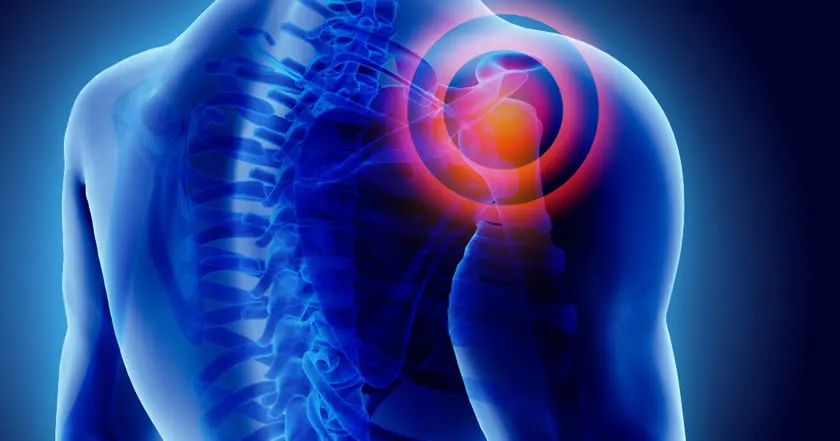
The shoulder joint is one of the most mobile and versatile joints in the human body. It enables an extensive range of movements — from lifting and pushing to rotating and throwing — that are crucial for both routine daily activities and sports performance. However, the same freedom of movement that makes the shoulder so functional also renders it susceptible to gradual wear and tear as well as various injuries.
Shoulder arthritis is a condition marked by the progressive degeneration and/or inflammation of the cartilage and surrounding structures within the shoulder joint. When the smooth cartilage that cushions the bones begins to wear down, the joint surfaces start to rub against each other, leading to pain, stiffness, swelling, and a gradual loss of mobility. Left untreated, shoulder arthritis can severely restrict a person’s ability to carry out essential everyday tasks such as lifting groceries, reaching overhead, combing hair, dressing, or even finding a comfortable sleeping position.
At DMPhysios, a leading clinic in Noida renowned for its expertise in spine and sports conditions, we recognize how significantly shoulder arthritis can impact a person’s independence and quality of life. Our patient-centered rehabilitation programs are carefully designed not only to manage pain but also to restore joint function, enhance range of motion, and help patients regain confidence in their daily activities. By combining evidence-based physiotherapy techniques, targeted exercises, and personalized care plans, we aim to empower individuals with shoulder arthritis to live more active, pain-free lives.
Symptoms
The signs and symptoms of shoulder arthritis may develop gradually or suddenly, depending on the underlying cause and severity. Recognizing these symptoms early can help in timely intervention:
- Persistent Pain: Deep, aching pain in the shoulder joint, especially with activity or at night.
- Stiffness: Difficulty moving the arm overhead or behind the back.
- Reduced Range of Motion: Trouble with tasks like combing hair, dressing, or reaching shelves.
- Grinding or Clicking Sensations: A feeling of grating, creaking, or catching during movement.
- Weakness: Muscles around the shoulder may feel weaker due to disuse or inflammation.
- Swelling or Tenderness: Localized swelling or warmth may occur in some cases.
If you’re experiencing any of these symptoms, the expert physiotherapists at DMPhysios can perform a detailed evaluation to identify whether shoulder arthritis is the root cause and design a personalized care plan.
Types of Shoulder Arthritis
Several forms of shoulder arthritis exist, each with unique characteristics and treatment approaches. The most common types include:
- Osteoarthritis (Degenerative Arthritis)
This is the most frequent type, resulting from the gradual wearing down of joint cartilage. It usually develops with age but can also occur in athletes or individuals with previous shoulder injuries. - Rheumatoid Arthritis (Inflammatory Arthritis)
An autoimmune condition where the body’s immune system attacks its own joint lining, leading to inflammation and damage to cartilage and bone. Rheumatoid arthritis often affects multiple joints, including the shoulder. - Post-Traumatic Arthritis
This develops after a shoulder injury such as a fracture, dislocation, or severe rotator cuff tear. Trauma accelerates cartilage wear and leads to premature arthritis. - Rotator Cuff Tear Arthropathy
Long-standing or massive rotator cuff tears can destabilize the shoulder joint and cause arthritis. This type often presents with significant weakness and limited movement.
Understanding the type of shoulder arthritis is essential for planning effective treatment. At DMPhysios, our physiotherapists collaborate with orthopedic specialists when necessary to ensure accurate diagnosis and optimal care.
Causes
The exact cause of shoulder arthritis varies depending on the type, but several common factors contribute:
- Age-related degeneration of cartilage
- Previous injuries (fractures, dislocations, or ligament damage)
- Repetitive overhead activities common in sports or occupations
- Autoimmune disorders such as rheumatoid arthritis
- Genetic predisposition to early joint wear
- Massive or untreated rotator cuff tears leading to joint instability
By addressing these underlying causes early, the progression of shoulder arthritis can often be slowed.
Risk Factors
While anyone can develop shoulder arthritis, certain factors increase the risk:
- Age over 50 years
- Family history of osteoarthritis or rheumatoid arthritis
- Repetitive shoulder movements in athletes, manual laborers, or musicians
- Previous shoulder trauma or surgery
- Obesity (indirectly increases joint stress)
- Autoimmune conditions like lupus or rheumatoid arthritis
At DMPhysios, we not only treat shoulder arthritis but also help identify and modify risk factors wherever possible to improve long-term outcomes.
Treatment
Managing shoulder arthritis involves a combination of non-surgical and, in some cases, surgical interventions. The goals are to reduce pain, restore function, and enhance quality of life.
Non-Surgical Treatments
- Medications: Non-steroidal anti-inflammatory drugs (NSAIDs) for pain and inflammation.
- Injections: Corticosteroid or hyaluronic acid injections to reduce inflammation and improve lubrication.
- Activity Modification: Avoiding activities that exacerbate pain.
- Cold/Heat Therapy: Ice to reduce inflammation; heat to ease stiffness.
Surgical Treatments
When conservative measures fail, surgery may be considered:
- Arthroscopic Debridement: Cleaning up rough cartilage or loose bodies.
- Shoulder Replacement (Arthroplasty): Partial or total replacement of the damaged joint surfaces.
- Reverse Shoulder Arthroplasty: For rotator cuff tear arthropathy cases.
However, physiotherapy remains the cornerstone of managing shoulder arthritis, both before and after surgery.
Physiotherapy Treatment
At DMPhysios, a clinic in Noida known for its expertise in spine and sports conditions, physiotherapy treatment for shoulder arthritis is patient-centered and evidence-based. Our approach combines pain relief, joint protection, mobility restoration, and long-term self-management.
1. Comprehensive Assessment
We begin with a thorough evaluation of shoulder range of motion, strength, posture, activity limitations, and functional goals. This allows our physiotherapists to create an individualized plan for each patient with shoulder arthritis.
2. Pain Management Techniques
- Modalities: Ultrasound therapy, TENS (Transcutaneous Electrical Nerve Stimulation), and cryotherapy to reduce pain and inflammation.
- Manual Therapy: Gentle joint mobilizations, soft tissue release, and stretching to improve mobility and reduce stiffness.
3. Restoring Mobility
- Passive and Active-Assisted Exercises: To improve flexibility without aggravating pain. Examples include pendulum swings and wand-assisted shoulder flexion.
- Capsular Stretching: Targeting the posterior capsule to enhance internal rotation and overhead reach.
4. Strengthening Exercises
Strengthening the surrounding muscles helps stabilize the joint and reduces stress on arthritic surfaces:
- Rotator Cuff Strengthening: External and internal rotation exercises using bands.
- Scapular Stabilization: Strengthening trapezius, rhomboids, and serratus anterior to improve shoulder mechanics.
- Deltoid and Upper Arm Muscles: Light resistance exercises to maintain function.
5. Posture Correction and Ergonomic Advice
Poor posture can exacerbate shoulder arthritis symptoms. At DMPhysios, we educate patients on posture correction, workplace ergonomics, and proper movement strategies to minimize stress on the shoulder.
6. Activity Modification and Joint Protection
We teach patients to use adaptive techniques for daily activities — for example, holding objects closer to the body or avoiding heavy lifting with the affected arm.
7. Home Exercise Programs
Consistency is key. Patients receive customized home exercise routines with progressive difficulty to maintain improvements achieved in the clinic.
8. Pre- and Post-Surgical Rehabilitation
For those undergoing shoulder replacement surgery, DMPhysios offers tailored prehabilitation (to prepare the shoulder for surgery) and post-operative rehab (to restore strength and motion after surgery).
This multi-pronged approach ensures that patients with shoulder arthritis not only experience pain relief but also regain functional independence.
Prevention
While not all cases of shoulder arthritis are preventable, certain lifestyle measures can reduce the risk or slow progression:
- Maintain Shoulder Strength and Flexibility: Regular stretching and strengthening of the rotator cuff and scapular muscles.
- Avoid Overuse: Balance activity with adequate rest, especially for overhead athletes.
- Protect Shoulders from Injury: Use proper technique and safety gear in sports or manual labor.
- Healthy Weight and Nutrition: Maintaining a healthy body weight reduces overall inflammation.
- Early Intervention for Shoulder Injuries: Prompt treatment of dislocations, fractures, or rotator cuff tears to prevent long-term damage.
At DMPhysios, we place strong emphasis on preventive care and patient education to help individuals minimize their risk of developing shoulder arthritis.
Conclusion
Shoulder arthritis can significantly impact daily life, from simple household tasks to high-level athletic performance. However, with timely diagnosis, appropriate treatment, and a comprehensive physiotherapy program, most individuals can manage their symptoms effectively and maintain an active lifestyle.
At DMPhysios, a Noida-based clinic specializing in spine and sports conditions, our patient-centered rehabilitation programs are designed to address the unique needs of each individual with shoulder arthritis. Whether you’re seeking relief from chronic shoulder pain, looking for post-surgical rehabilitation, or hoping to prevent further deterioration, our expert physiotherapists are here to guide you.
Don’t let shoulder arthritis limit your life. Contact DMPhysios today to schedule a consultation and take the first step toward pain-free movement and restored function.