Overview
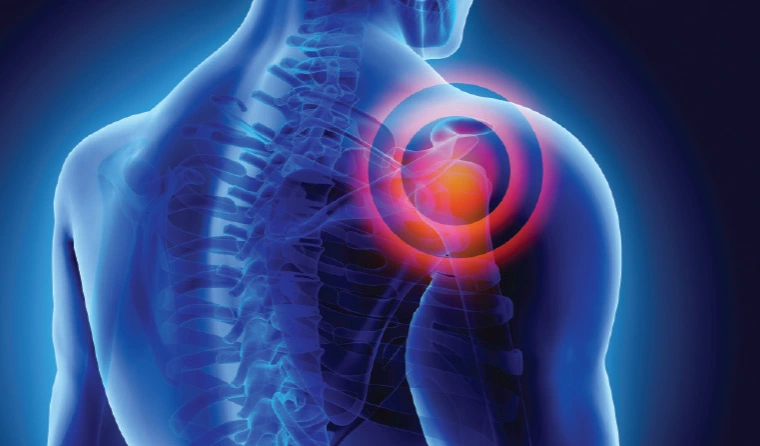
The shoulder joint is one of the most mobile joints in the human body, allowing us to reach, lift, rotate, and perform countless daily and athletic activities. This incredible range of motion, however, makes the shoulder vulnerable to various conditions. Among the most common yet often underestimated issues is shoulder stiffness.
Shoulder stiffness refers to a reduction in the normal range of motion of the shoulder joint, either actively (when you move it yourself) or passively (when someone else moves it for you). It can occur suddenly after an injury, develop gradually over time, or be associated with underlying conditions like diabetes, prolonged immobilization, or post-surgical recovery. Regardless of the cause, shoulder stiffness interferes with daily life—making tasks such as combing hair, dressing, lifting objects, or reaching overhead extremely challenging.
At DMPhysios, a renowned clinic located in Noida specializing in spine and sports conditions with patient-centered rehabilitation, shoulder stiffness is one of the most frequently treated complaints. The clinic’s evidence-based, individualized care plans help patients regain mobility, reduce pain, and restore function safely.
Symptoms
Recognizing the symptoms of shoulder stiffness early is essential for effective treatment. Common symptoms include:
- Reduced Range of Motion: Difficulty lifting the arm overhead, reaching behind the back, or rotating the arm outward or inward.
- Pain and Discomfort: Mild to severe pain during movement, especially at the extremes of motion.
- Tightness or Heaviness: The shoulder may feel heavy, tight, or restricted even without significant pain.
- Functional Limitations: Difficulty performing daily tasks like reaching for shelves, fastening seat belts, or dressing.
- Compensatory Movements: People with shoulder stiffness often use the trunk or neck to compensate, leading to secondary pain in these areas.
Patients visiting DMPhysios often report both pain and a progressive loss of movement. The clinic’s comprehensive evaluation ensures the root cause of shoulder stiffness is identified to plan appropriate care.
Types of Shoulder Stiffness
While shoulder stiffness can be described broadly as a loss of motion, it can be classified into two main types:
- Primary (Idiopathic) Shoulder Stiffness
This occurs without a clear underlying cause. A classic example is adhesive capsulitis, also known as frozen shoulder. It develops gradually and is often associated with conditions like diabetes or thyroid disease. - Secondary Shoulder Stiffness
This arises due to an identifiable cause, such as:- Post-trauma (fracture, dislocation)
- Post-surgery (rotator cuff repair, shoulder stabilization procedures)
- Prolonged immobilization (using a sling or cast)
- Postural or occupational factors (repetitive overhead work)
Understanding the type of shoulder stiffness is crucial for tailoring treatment—something DMPhysios’ specialists emphasize during assessment.
Causes
Multiple factors can contribute to shoulder stiffness:
- Capsular Tightening or Adhesions: The capsule surrounding the joint becomes inflamed and thickened.
- Post-Injury Scar Tissue: Following fractures, dislocations, or soft-tissue injuries.
- Prolonged Immobilization: Keeping the arm immobilized in a sling for weeks can drastically reduce shoulder mobility.
- Muscle Imbalances: Weakness or tightness in the rotator cuff, deltoid, or scapular stabilizers.
- Age-Related Degeneration: With aging, the joint and surrounding tissues become less flexible.
- Systemic Conditions: Diabetes mellitus, thyroid disorders, and autoimmune conditions increase the risk.
- Poor Posture and Ergonomics: Prolonged forward head and rounded shoulders from desk jobs can contribute to stiffness.
DMPhysios, with its multidisciplinary approach, evaluates not only the joint but also contributing factors such as posture, ergonomics, and systemic health to design a complete care plan.
Risk Factors
Certain factors make individuals more prone to shoulder stiffness:
- Age above 40
- Female gender (especially peri-menopausal)
- Diabetes or thyroid disorders
- History of shoulder injury or surgery
- Sedentary lifestyle or poor posture
- Occupations with repetitive overhead movements
- Inadequate or delayed rehabilitation after trauma or surgery
At DMPhysios, patient education about these risk factors is a key part of prevention. By addressing risks early, the clinic helps reduce recurrence or chronicity of shoulder stiffness.
Treatment
Treatment of shoulder stiffness is multi-pronged and depends on the severity, duration, and underlying cause. Broadly, the approach includes:
- Pain Management
- Non-steroidal anti-inflammatory drugs (NSAIDs) under medical supervision.
- Local heat or cold therapy to relieve pain and muscle spasm.
- In some cases, corticosteroid injections (performed by a qualified physician).
- Restoration of Motion
- Gentle, progressive stretching exercises.
- Mobilization of the shoulder joint under the guidance of a physiotherapist.
- Modalities like ultrasound or interferential therapy to reduce soft-tissue tightness.
- Addressing Underlying Conditions
- Optimizing blood sugar levels in diabetic patients.
- Treating thyroid dysfunction.
- Adjusting occupational or sports-related activities.
- Surgical Options (Rare)
In severe or long-standing cases where conservative treatment fails, procedures such as manipulation under anesthesia (MUA) or arthroscopic release may be considered. Post-operative physiotherapy is crucial to maintain the gains.
Physiotherapy Treatment
Physiotherapy is the cornerstone of managing shoulder stiffness, and DMPhysios in Noida is highly regarded for its patient-centered rehab programs. Here’s a detailed breakdown of what physiotherapy entails:
1. Comprehensive Assessment
A detailed evaluation is performed, including:
- Range of motion (active and passive)
- Muscle strength testing
- Postural analysis
- Functional limitations
This assessment helps tailor the program to each patient’s specific needs—central to DMPhysios’ philosophy.
2. Pain Relief Modalities
- Moist heat packs to increase tissue elasticity.
- Transcutaneous Electrical Nerve Stimulation (TENS) for pain modulation.
- Ultrasound therapy to reduce inflammation and improve circulation.
3. Manual Therapy
- Joint mobilizations (Grade I–IV) to restore capsular flexibility.
- Soft tissue mobilization for surrounding muscles such as the pectorals, deltoid, and rotator cuff.
- Scapular mobilization to improve shoulder mechanics.
4. Stretching Exercises
Progressive stretching is essential for regaining lost motion:
- Pendulum swings (Codman’s exercises)
- Wand-assisted flexion, abduction, and external rotation
- Cross-body adduction stretch
- Towel-assisted internal rotation stretch
These stretches are performed within the patient’s pain tolerance, gradually increasing intensity.
5. Strengthening and Stabilization
Once motion improves, strengthening begins:
- Isometric rotator cuff exercises
- Resistance band external and internal rotation
- Scapular stabilizer strengthening (serratus anterior, lower trapezius)
- Closed-chain exercises such as wall slides or quadruped rocking
This phase ensures that the regained mobility is supported by stable, strong muscles—minimizing recurrence of shoulder stiffness.
6. Posture and Ergonomic Training
- Education on maintaining neutral shoulder alignment during work.
- Adjustments to workstation height, chair support, and activity breaks.
- Advice on sleeping positions to avoid night pain.
7. Home Exercise Program (HEP)
Patients are given a structured HEP to continue at home. DMPhysios provides clear instructions and regular follow-ups to ensure adherence, which significantly improves outcomes.
8. Functional Rehabilitation
For athletes or individuals with specific job demands, sport- or task-specific drills are incorporated toward the end of rehabilitation to ensure a safe return to activity.
Prevention
Preventing shoulder stiffness involves a proactive approach:
- Early Mobilization: After injury or surgery, begin gentle range-of-motion exercises as soon as medically safe.
- Posture Awareness: Maintain good posture, especially if you work long hours at a desk.
- Regular Stretching: Incorporate shoulder stretches into daily routines, especially for those with sedentary lifestyles.
- Strength Balance: Maintain strong rotator cuff and scapular muscles to support the joint.
- Diabetes and Thyroid Management: Keeping systemic conditions under control reduces risk.
- Follow-up with a Physiotherapist: Early assessment at a clinic like DMPhysios can catch subtle limitations before they progress to significant stiffness.
Conclusion
Shoulder stiffness is more than just an inconvenience—it can profoundly limit daily activities, sports performance, and quality of life. Left untreated, it may progress to chronic pain, compensatory injuries, and functional disability. The good news is that with early recognition, evidence-based treatment, and expert physiotherapy, most cases of shoulder stiffness can be effectively reversed.
At DMPhysios, a leading clinic in Noida specializing in spine and sports conditions with patient-centered rehabilitation, we understand the frustration and challenges shoulder stiffness brings. Our team of skilled physiotherapists uses a holistic, individualized approach—combining advanced manual therapy, targeted exercises, and education—to restore mobility, relieve pain, and empower patients to return to their active lifestyles.If you’re struggling with shoulder stiffness, don’t wait for it to worsen. Book a consultation with DMPhysios today to receive a comprehensive evaluation and a customized rehabilitation plan. Together, we can help you move freely again.