Overview
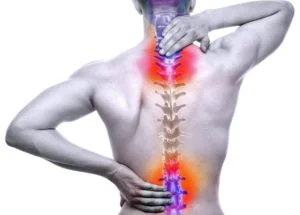
A spinal cord injury (SCI) is a devastating medical condition that involves damage to any part of the spinal cord or the nerves at the end of the spinal canal (cauda equina). It frequently leads to lasting alterations in strength, sensation, and various bodily functions below the level of the injury. The severity and impact of a spinal cord injury depend on two main factors: the location of the injury along the spinal column and the extent of damage to the spinal cord.
The spinal cord acts as a crucial link, transmitting signals between the brain and the rest of the body. When this pathway is disrupted, it can lead to partial or complete loss of motor control and sensory function. In severe cases, spinal cord injury can result in paralysis, chronic pain, and life-threatening complications.
At DMPhysios, a leading physiotherapy clinic located in Noida that specializes in spine and sports conditions, we understand how deeply life-altering a spinal cord injury can be. Our patient-centered rehabilitation programs are designed to help individuals regain independence, improve function, and live meaningful lives after injury.
Symptoms
The symptoms of spinal cord injury vary depending on the level and severity of the damage. Immediate symptoms may include:
- Loss of movement (paralysis)
- Changes or loss of sensation, such as reduced ability to perceive heat, cold, or touch
- Loss of bladder or bowel control
- Exaggerated reflexes or spasms
- Discomfort or sharp, burning sensations resulting from nerve injury
- Difficulty breathing or coughing (especially with high-level injuries)
Some signs may develop over time or become more apparent in the days following the injury. Early diagnosis and management are essential to prevent worsening of the condition.
Types of Spinal Cord Injury
Spinal cord injuries are broadly categorized based on the severity and completeness of the injury:
1. Complete Spinal Cord Injury
In a complete spinal cord injury, all motor and sensory functions are entirely lost below the site of the damage. Both sides of the body are equally affected. Common forms include:
- Tetraplegia (also known as quadriplegia) involves impairment in the arms, hands, trunk, legs, and pelvic organs.
- Paraplegia involves loss of function in all or part of the trunk, legs, and pelvic organs.
2. Incomplete Spinal Cord Injury
In cases of incomplete spinal cord injury (SCI), some motor or sensory function is preserved below the level of the damage. There are several types of incomplete SCIs, including:
- Anterior Cord Syndrome: Characterized by loss of motor function and the ability to sense pain and temperature below the level of injury, while touch, vibration, and position (proprioception) senses are typically preserved.
- Central Cord Syndrome: More impairment in the arms than the legs.
- Brown-Séquard Syndrome: Damage to one side of the spinal cord; results in asymmetrical motor/sensory loss.
- Cauda Equina Syndrome: Damage to the nerves below the spinal cord; considered a medical emergency.
Causes
A spinal cord injury can occur due to traumatic or non-traumatic causes.
Traumatic Causes:
- Motor vehicle accidents (the leading cause)
- Falls from heights or stairs
- Sports injuries (diving, gymnastics, contact sports)
- Violence (gunshot wounds, stab injuries)
- Industrial or workplace accidents
Non-Traumatic Causes:
- Tumors compressing the spinal cord
- Infections such as tuberculosis or abscesses
- Degenerative spinal conditions like spinal stenosis
- Autoimmune diseases (multiple sclerosis, transverse myelitis)
- Vascular disorders such as spinal cord infarction
Risk Factors
Certain individuals are more susceptible to spinal cord injury due to:
- Age: Young adults (16–30 years) and older adults (65+) are at higher risk.
- Gender: Males are disproportionately affected due to higher involvement in risk-prone activities.
- High-risk activities: Sports, extreme sports, driving at high speeds, and working in unsafe environments.
- Pre-existing bone or joint disorders: Conditions like osteoporosis or arthritis increase vulnerability.
- Inadequate safety measures: Not using seat belts, helmets, or protective gear.
Treatment
There is currently no cure for spinal cord injury, but prompt medical attention and multidisciplinary care can limit damage and improve outcomes.
Emergency Medical Care:
- Immobilization: Prevent further damage by stabilizing the spine.
- Medication: Methylprednisolone may be administered within 8 hours of injury to reduce inflammation.
- Surgery: To remove bone fragments, herniated discs, or stabilize the spine with hardware.
Hospital-Based Rehabilitation:
- Respiratory support if breathing is affected
- Catheterization for bladder management
- Preventing pressure ulcers and DVT
- Nutritional support and pain management
- Psychosocial counseling and family education
Once medically stable, the next critical phase is physiotherapy and functional rehabilitation—a specialty at DMPhysios in Noida, where every recovery plan is tailored to the patient’s unique needs.
Physiotherapy Treatment
Physiotherapy plays a pivotal role in recovery from a spinal cord injury. At DMPhysios, we provide comprehensive, patient-centered rehabilitation programs led by expert physiotherapists with experience in spine and neurological conditions.
1. Assessment and Goal Setting
Each patient undergoes an in-depth assessment covering:
- Neurological status (ASIA scale)
- Range of motion and muscle strength
- Functional independence (mobility, ADLs)
- Pain assessment
- Spasticity or muscle tone evaluation
Goals are set in collaboration with the patient and family, focusing on improving mobility, function, and independence.
2. Early Stage Rehabilitation (Acute Phase)
- Passive Range of Motion (PROM): To prevent joint stiffness and contractures
- Positioning and Bed Mobility: Prevent pressure sores and facilitate independence
- Breathing Exercises: For patients with high-level injuries to improve lung capacity
- Mat Exercises: Rolling, bridging, and transitioning from supine to sitting
3. Intermediate Phase (Subacute Rehabilitation)
- Strengthening Exercises: For preserved muscles, including resistance training
- Balance and Coordination: Sitting and standing balance training
- Transfer Training: Bed to wheelchair, toilet, or car
- Orthotic Support: If required, to support joints and improve mobility
4. Advanced Phase (Functional Rehabilitation)
- Gait Training: With assistive devices (walkers, crutches, parallel bars)
- Wheelchair Skills Training: Maneuvering, transfers, incline navigation
- Functional Electrical Stimulation (FES): To stimulate muscle activity
- Neuromuscular Re-education: Retraining the nervous system for improved control
5. Occupational Therapy Integration
- Enhancing independence in activities of daily living (bathing, dressing, eating)
- Adaptive techniques and assistive devices
- Vocational rehabilitation and community reintegration
6. Psychological Support and Motivation
Spinal cord injury impacts mental well-being. Our approach includes:
- Psychological counseling
- Peer group support
- Family education and involvement
- Mindfulness and resilience training
DMPhysios offers a state-of-the-art rehab facility in Noida with a compassionate team dedicated to maximizing recovery. We ensure that every patient with a spinal cord injury receives holistic care with measurable outcomes.
Prevention
While not all spinal cord injuries are preventable, several steps can significantly reduce the risk:
- Wear seat belts and use car safety features
- Use helmets during biking, motorcycling, or contact sports
- Ensure fall-proof environments for the elderly
- Avoid diving into shallow water
- Use proper techniques and gear during sports or heavy lifting
- Manage osteoporosis and other degenerative spinal conditions
- Install safety measures at home and in the workplace
Educational outreach, awareness campaigns, and workplace safety regulations are vital in preventing the devastating impact of spinal cord injuries.
Conclusion
A spinal cord injury is not just a physical challenge—it’s a life-changing event that affects mobility, independence, and emotional well-being. However, with proper medical care and a strong rehabilitation program, many individuals can recover considerable function and enhance their quality of life.
At DMPhysios, our team in Noida is committed to guiding patients through every phase of recovery with science-backed interventions and compassionate care. Whether it’s learning to walk again or mastering wheelchair mobility, our patient-centered rehabilitation programs are built around individual goals and capabilities.
If you or a loved one is living with a spinal cord injury, don’t wait. Let the experts at DMPhysios, a trusted clinic for spine and sports conditions in Noida, help you start your recovery journey today.
Call us or visit DMPhysios to book your consultation. Your road to recovery begins here.