Overview
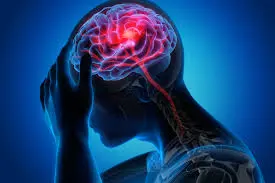
A stroke is a sudden and critical medical condition that occurs when the blood supply to a part of the brain is interrupted or significantly reduced. This lack of oxygen and essential nutrients leads to the rapid death of brain cells, resulting in the loss of neurological functions controlled by the affected brain area.
Depending on the severity and location of the stroke, this damage can cause temporary or permanent impairments in movement, speech, cognition, or vision. In many cases, if not treated immediately, a it can lead to significant disability or even death. It is frequently referred to as a “brain attack” due to its sudden onset and life-threatening nature.
Strokes typically occur in one of two ways—either through a blockage in a blood vessel (known as an ischemic stroke) or from the rupture of a weakened vessel leading to bleeding within or around the brain (called a hemorrhagic stroke).
Worldwide, stroke is among the leading causes of long-term disability and mortality, placing a considerable burden on healthcare systems and families. In India, the incidence of stroke has seen a significant rise in recent decades, attributed to various factors such as sedentary lifestyles, poor dietary habits, a surge in lifestyle-related diseases like hypertension and diabetes, and the aging population. Unfortunately, many individuals remain unaware of their risk or delay seeking help due to lack of awareness or access to specialized care.
Recovery from stroke is not solely dependent on emergency medical intervention—it demands a comprehensive and multidisciplinary approach that includes medical treatment, behavioral modifications, emotional support, and most importantly, structured physiotherapy.
This is where expert centers like DMPhysios come into play. Based in Noida, DMPhysios is a leading physiotherapy and rehabilitation clinic that focuses on spine and sports conditions, while also offering dedicated and evidence-based care for neurological conditions like stroke. With a strong emphasis on patient-centered rehabilitation, DMPhysios helps stroke survivors rebuild strength, relearn lost skills, and regain independence through personalized therapy programs delivered by a team of experienced physiotherapists and movement specialists.
Symptoms
Identifying the early signs of a stroke is essential for prompt medical intervention. The symptoms usually occur suddenly and can vary depending on the area of the brain affected. Common warning signs include:
- Sudden numbness or weakness in the face, arm, or leg—especially on one side of the body
- Difficulty speaking or understanding speech
- Vision problems in one or both eyes
- Loss of balance or coordination, dizziness
- Severe headache with no known cause
- Confusion or trouble concentrating
A widely used acronym to identify a stroke is FAST:
- Face drooping
- Arm weakness
- Speech difficulty
- Time to call emergency services
Prompt medical attention during these symptoms can significantly reduce long-term damage and improve recovery outcomes.
Types of Stroke
It are generally classified into three major types:
1. Ischemic Stroke
This is the most common type, accounting for nearly 87% of all cases. It occurs when blood clots or plaques block or narrow arteries leading to the brain, resulting in reduced blood flow. Types include:
- Thrombotic stroke: Caused by a clot forming in an artery supplying the brain.
- Embolic stroke: Happens when a blood clot develops in another part of the body and travels through the bloodstream to the brain, blocking a cerebral artery.
2. Hemorrhagic Stroke
This occurs when a blood vessel in the brain ruptures, causing bleeding within or around the brain. It can be:
- Intracerebral hemorrhage: Bleeding within the brain tissue.
- Subarachnoid hemorrhage: Involves bleeding into the space between the brain and the thin tissues covering it, often leading to sudden and severe symptoms.
3. Transient Ischemic Attack (TIA)
A transient ischemic attack (TIA), often referred to as a mini-stroke, occurs when there is a brief interruption of blood flow to the brain, typically resolving without permanent damage. Although symptoms resolve within minutes to hours, it serves as a warning sign of a future major stroke.
Causes
It result from conditions that affect the blood vessels supplying the brain. Some common causes include:
- Atherosclerosis: Buildup of plaque in the arteries
- Blood clots: Due to heart disease, atrial fibrillation, or deep vein thrombosis
- High blood pressure: A major contributor to hemorrhagic strokes
- Aneurysms or arteriovenous malformations (AVMs): Weak or abnormal blood vessels
- Head trauma: Especially in younger individuals
- Heart disorders: Such as atrial fibrillation and cardiomyopathy
Risk Factors
Several modifiable and non-modifiable risk factors increase the likelihood of stroke:
Non-modifiable Risk Factors:
- Age: Risk increases after age 55
- Gender: Males are at higher risk, but women are more likely to die from stroke
- Family history: Genetic predisposition
- Previous stroke or TIA
Modifiable Risk Factors:
- Hypertension
- Diabetes mellitus
- Smoking and alcohol abuse
- High cholesterol
- Obesity
- Sedentary lifestyle
- Poor diet
- Stress and depression
Preventing and managing these factors is critical for reducing the chances of a stroke, and physiotherapists at DMPhysios often counsel patients on lifestyle changes as part of comprehensive care.
Treatment
Treatment for stroke depends on its type:
Ischemic
- Thrombolytics (e.g., tPA): Must be administered within a few hours to dissolve clots
- Mechanical thrombectomy: Surgical removal of a clot using a catheter
- Antiplatelet and anticoagulant medications
Hemorrhagic
- Blood pressure control
- Surgical interventions: Clipping, coiling, or removal of hematomas
- Draining cerebrospinal fluid: To reduce pressure in the brain
Prompt diagnosis using CT or MRI is essential to differentiate stroke types and determine appropriate treatment.
Physiotherapy Treatment
Rehabilitation is crucial following a it, and physiotherapy plays a central role in restoring function, reducing disability, and improving quality of life. At DMPhysios, stroke rehabilitation programs are personalized, progressive, and holistic—focusing on regaining independence and reintegrating patients into daily life.
Goals of Physiotherapy in Stroke Recovery
- Improve motor control and coordination
- Enhance balance and posture
- Promote functional mobility (sitting, standing, walking)
- Reduce spasticity and contractures
- Facilitate neuroplasticity (retraining the brain)
Stages of Stroke Rehabilitation at DMPhysios
1. Acute Phase (0–1 week post-stroke)
- Bed mobility training
- Passive range of motion (PROM) exercises
- Positioning techniques to prevent pressure sores and joint deformities
- Breathing exercises and chest physiotherapy
2. Subacute Phase (1 week–6 months)
- Active-assisted and active range of motion exercises
- Functional re-education: Sitting, standing, bed-to-chair transfers
- Gait training with assistive devices
- Balance training using unstable surfaces or weight-shifting techniques
- Proprioceptive neuromuscular facilitation (PNF)
- Mirror therapy and constraint-induced movement therapy (CIMT)
3. Chronic Phase (6 months onwards)
- Strengthening and endurance training
- Fine motor skill exercises for hand function
- Community re-integration training
- Virtual reality-based rehabilitation
- Task-oriented training (cooking, grooming, writing)
Use of Technology and Equipment at DMPhysios
- Functional Electrical Stimulation (FES)
- Robotic-assisted gait training
- Treadmill therapy with harness support
- Neuromuscular re-education devices
- Biofeedback and EMG monitoring
The team at DMPhysios includes experienced physiotherapists, occupational therapists, and rehabilitation experts working collaboratively to provide patient-centered care that evolves with the patient’s recovery progress.
Prevention
Preventing a it is more effective than treating one. Key prevention strategies include:
1. Blood Pressure Control
Control blood pressure through medication, healthy eating, and regular exercise.
2. Healthy Lifestyle Choices
- Quit smoking
- Limit alcohol consumption
- Eat a balanced diet rich in fruits, vegetables, and whole grains
- Engage in regular physical activity
3. Diabetes and Cholesterol Management
Keep blood sugar and cholesterol levels within healthy ranges.
4. Weight Management
Maintain a healthy BMI to reduce strain on the heart and blood vessels.
5. Stress Reduction
Incorporate yoga, meditation, or breathing techniques into daily life.
At DMPhysios, it prevention is part of the broader mission to provide education, support, and lifestyle counseling to help patients reduce recurrence risks.
Conclusion
A stroke is a life-altering event, but it doesn’t have to define your future. With timely medical treatment, the right physiotherapy interventions, and continued support, stroke survivors can reclaim independence and quality of life. Clinics like DMPhysios, located in Noida, specialize in offering comprehensive, patient-centered rehabilitation for it recovery and many other neurological and orthopedic conditions.
If you or a loved one has experienced a stroke or is at risk, don’t wait. Early rehabilitation can dramatically improve outcomes. Visit DMPhysios in Noida for a thorough assessment and personalized treatment plan by experts who understand what it takes to recover fully from it .
Book your consultation today with DMPhysios—where compassionate care meets clinical excellence.