Overview
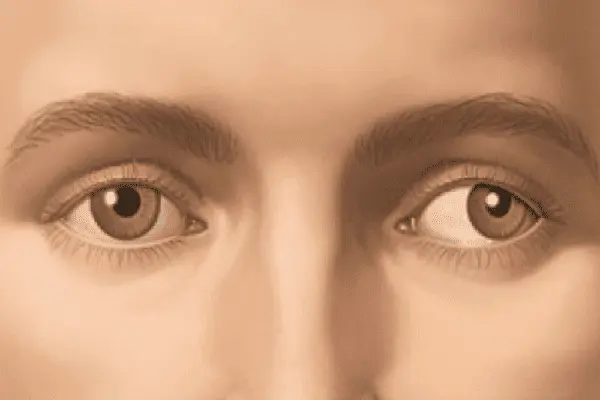
Superior oblique palsy is a neuromuscular eye movement disorder that arises when the superior oblique muscle – supplied by the fourth cranial nerve (trochlear nerve) – does not function properly. This small but crucial muscle plays a key role in depressing the eye and producing introversion (inward rotation), especially when the eye is turned inward (adduction). When the superior oblique muscle is weak or paralyzed, the eye loses its normal pattern of movement, which can result in vertical misalignment, double vision (diplopia), and the development of abnormal head postures as patients try to compensate for the misalignment.
At DMPhysios, a leading Noida-based clinic specialising in spine and sports conditions with a strong emphasis on patient-centred rehabilitation, superior oblique palsy is addressed through a holistic and multidisciplinary approach. The team recognises that this condition does not only affect eye movement but also interferes with balance, posture, and daily functional activities. Therefore, along with medical diagnosis and ophthalmological care, DMPhysios integrates individualised functional rehabilitation strategies, vision-related exercises, and postural training to help patients regain confidence and comfort in their everyday lives.
Superior oblique palsy may be congenital (present from birth) or acquired (following head injury, vascular problems, microvascular diseases such as diabetes, or even idiopathic causes). It is one of the most frequently seen isolated cranial nerve palsies affecting ocular motility. Because clear vision and precise eye movements are critical for work, learning, and daily living, untreated superior oblique palsy can have a significant impact on quality of life, from reading and driving to sports and professional tasks. By focusing on early detection and customised rehabilitation plans, DMPhysios helps patients manage symptoms effectively, improve function, and return to their usual activities with greater ease.
Symptoms
The clinical presentation of superior oblique palsy can vary depending on severity and whether it is unilateral or bilateral. Common symptoms include:
- Vertical Diplopia (Double Vision): Patients often report seeing two images vertically separated, especially when looking down (like reading or going down stairs).
- Head Tilt: To compensate for the misaligned eyes, patients typically tilt their head away from the affected eye to minimize double vision.
- Difficulty in Downward Gaze: Activities like descending stairs or reading can become challenging.
- Eye Misalignment: Hypertropia (upward deviation) of the affected eye may be visible.
- Asthenopia: Eye strain or fatigue, especially after prolonged reading or focusing.
- Blurred Vision or Poor Depth Perception: In cases of long-standing superior oblique palsy.
At DMPhysios, clinicians pay special attention to these symptoms, as early recognition and proper rehabilitation can prevent secondary complications like chronic neck pain from persistent head tilt.
Types of Superior Oblique Palsy
While superior oblique palsy can present in different ways, it is generally classified into:
1. Congenital Superior Oblique Palsy
Present from birth, often due to developmental anomalies of the trochlear nerve or superior oblique muscle. These patients usually adapt well early but may develop head tilts or facial asymmetry over time.
2. Acquired Superior Oblique Palsy
Occurs later in life due to trauma, vascular insults, tumors, or other neurological conditions. This type tends to cause more pronounced symptoms since the patient has no prior adaptation.
3. Unilateral vs. Bilateral
- Unilateral Superior Oblique Palsy: Involves one eye; more common and often post-traumatic.
- Bilateral Superior Oblique Palsy: Involves both eyes; often presents with alternating hypertropia, significant torsional diplopia, and large compensatory head tilts.
Recognizing the type of superior oblique palsy helps clinicians at DMPhysios design individualized rehabilitation strategies for visual and postural adaptation.
Causes
Several factors can cause or contribute to the development of superior oblique palsy, including:
- Congenital Abnormalities: Absence or underdevelopment of the trochlear nerve.
- Head Trauma: Even minor trauma can stretch or damage the long, thin trochlear nerve, the most common acquired cause.
- Microvascular Ischemia: Common in older adults with hypertension or diabetes.
- Intracranial Lesions: Tumors, aneurysms, or demyelinating diseases affecting the fourth nerve.
- Post-Surgical Complications: Rarely after brain or sinus surgery.
- Idiopathic Causes: No identifiable reason in some cases.
Risk Factors
Certain factors increase the likelihood of developing superior oblique palsy:
- Advanced age with vascular comorbidities (hypertension, diabetes).
- History of cranial or facial trauma.
- Neurological conditions such as multiple sclerosis.
- Congenital anomalies or family history of strabismus.
- Post-surgical or post-radiation changes in the cranial cavity.
At DMPhysios, these risk factors are carefully screened during patient intake so rehabilitation can be tailored to each patient’s background.
Treatment
Management of superior oblique palsy depends on the cause, severity, and impact on daily function. The main treatment approaches include:
1. Observation and Prism Glasses
In mild cases or in children who can adapt, prism glasses can help realign the images to reduce double vision.
2. Surgical Intervention
For significant or non-resolving cases, eye muscle surgery may be performed to correct the vertical misalignment. This could involve weakening the opposing inferior oblique muscle or strengthening the superior oblique.
3. Botulinum Toxin Injection
Sometimes injected into antagonist muscles to temporarily improve alignment.
4. Vision Therapy and Rehabilitation
Especially useful post-operatively or in cases where head posture and visual habits need retraining.
DMPhysios plays a critical role in the rehabilitation phase of superior oblique palsy, focusing on improving posture, minimizing neck pain, and aiding in functional adaptation.
Physiotherapy Treatment
Although superior oblique palsy is primarily an ocular condition, it often leads to secondary musculoskeletal issues due to chronic compensatory head postures. Patients frequently develop:
- Neck pain from prolonged head tilt.
- Shoulder and upper back stiffness.
- Impaired balance due to altered visual input.
At DMPhysios in Noida, physiotherapy for superior oblique palsy involves a patient-centered, multidisciplinary approach:
1. Posture Education and Ergonomics
- Teaching patients neutral head alignment strategies during work or reading.
- Adjusting workstation setups to minimize the need for downward gaze or head tilt.
2. Cervical Spine and Shoulder Rehabilitation
- Gentle mobilizations for the cervical spine to address stiffness.
- Stretching tight muscles such as the upper trapezius, levator scapulae, and sternocleidomastoid (often overused with head tilt).
- Strengthening weak postural muscles (deep neck flexors, scapular stabilizers).
3. Oculomotor and Vestibular Exercises
While the primary pathology is ocular, physiotherapists at DMPhysios can collaborate with vision therapists to implement exercises that improve visual tracking, head-eye coordination, and balance. This reduces the risk of dizziness and improves functional adaptation.
4. Balance and Proprioception Training
Because visual input affects balance, tailored balance training can help patients with superior oblique palsy regain confidence in daily activities like walking on uneven surfaces or climbing stairs.
5. Breathing and Relaxation Techniques
Chronic neck strain may lead to increased sympathetic activity. Relaxation breathing, mindfulness, and gentle yoga-based stretches help reduce tension.
6. Home Exercise Program
Every patient at DMPhysios is given a customized home program, ensuring continuity of care and faster recovery.
Prevention
Not all cases of superior oblique palsy can be prevented, especially congenital forms. However, steps can be taken to reduce the risk or minimize secondary complications:
- Protective Headgear: To reduce risk of traumatic nerve injury in contact sports.
- Management of Vascular Risk Factors: Controlling blood sugar, blood pressure, and cholesterol to prevent microvascular palsies.
- Routine Eye Checkups: Early detection in children to prevent abnormal head posture and facial asymmetry.
- Early Physiotherapy: At DMPhysios, early intervention can prevent chronic neck pain and postural issues associated with compensatory head tilts.
Conclusion
Superior oblique palsy is more than just an eye movement disorder; it can significantly impact posture, daily activities, and quality of life. Prompt recognition, proper medical management, and targeted rehabilitation are essential for optimal recovery.
At DMPhysios, a premier Noida-based clinic specializing in spine and sports conditions with a strong emphasis on patient-centered rehabilitation, individuals with superior oblique palsy receive comprehensive care. This includes not only ocular and neurological assessments but also physiotherapy interventions to address the musculoskeletal consequences of this condition.
If you or someone you know is experiencing symptoms of superior oblique palsy, such as double vision, head tilt, or neck pain don’t wait. Contact DMPhysios today to schedule a consultation and begin a personalized rehabilitation journey. Early intervention can make a profound difference in restoring normal function and improving quality of life.