
Overview
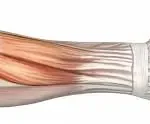
Tennis elbow, medically referred to as lateral epicondylitis, is a common and often debilitating overuse injury that primarily affects the outer part of the elbow. Specifically, it involves inflammation or degeneration of the tendons that attach to the lateral epicondyle of the humerus—the bony bump on the outside of the elbow. Among the most commonly affected structures is the extensor carpi radialis brevis (ECRB) muscle, a crucial forearm muscle responsible for stabilizing and extending the wrist. Over time, repetitive stress or microtrauma to this tendon leads to pain, weakness, and loss of function in the affected arm.
Although the term “tennis elbow” may suggest a condition exclusive to athletes, especially tennis players, this name is somewhat misleading. In reality, tennis elbow can affect anyone, not just sports enthusiasts. A large number of people diagnosed with this condition have never stepped onto a tennis court. The injury is often the result of repetitive movements involving wrist extension and gripping, which can occur in a variety of daily activities and occupations. Common culprits include typing at a computer, painting walls, gardening, lifting heavy objects improperly, or using tools like screwdrivers, drills, or even kitchen utensils for extended periods. These actions place continual strain on the forearm muscles, leading to microscopic tears in the tendon over time, especially when proper body mechanics and ergonomics are not followed.
At DMPhysios, a leading physiotherapy and rehabilitation center located in Noida, we specialize in treating spine and sports-related conditions, including tennis elbow. With a reputation for excellence in patient care, our clinic adopts a comprehensive, patient-centered approach to rehabilitation. We believe that accurate diagnosis, early intervention, and personalized treatment strategies are key to effective recovery. Our team of experienced physiotherapists not only addresses the symptoms of tennis elbow but also identifies and corrects the underlying biomechanical and postural imbalances that contribute to the condition. Whether you are an athlete, a working professional, or someone dealing with persistent elbow pain from daily tasks, DMPhysios is committed to helping you regain pain-free function and return to your activities with confidence.
Symptoms of Tennis Elbow
Tennis elbow usually develops gradually and may start as a mild discomfort, eventually escalating into persistent pain. The most common symptoms include:
- Pain and tenderness over the outer part of the elbow
- Pain that radiates from the elbow to the forearm and wrist
- Weakness in grip strength
- Difficulty performing everyday tasks like turning door knobs or lifting a cup
- Discomfort during wrist extension or when lifting something with the palm facing down
If left untreated, the pain can worsen and may even limit basic arm use. At DMPhysios, we frequently see patients who ignore early signs, resulting in delayed healing and longer rehabilitation. Early intervention is key.
Types of Tennis Elbow
Though typically referred to as a single condition, tennis elbow can present in slightly different forms based on tendon involvement and chronicity:
1. Acute Tennis Elbow
This form is often associated with a specific injury or sudden increase in activity. Tendon microtears cause inflammation and sharp pain in the elbow region.
2. Chronic Tennis Elbow
Over time, repeated stress leads to degeneration rather than inflammation of the tendon—a condition known as tendinosis. This version of tennis elbow is more stubborn and may require a prolonged rehabilitation approach.
At DMPhysios, our physiotherapists differentiate between acute and chronic presentations of tennis elbow to tailor specific treatment plans.
Causes of Tennis Elbow
Tennis elbow arises due to repetitive stress on the forearm muscles, especially the ECRB, which stabilizes the wrist when the elbow is extended. Tiny tears develop in the tendon over time, leading to pain and dysfunction.
Common causes include:
- Overuse in sports like tennis, squash, or badminton (especially with poor technique)
- Repetitive occupational tasks—typing, carpentry, painting, cooking
- Lifting weights with improper form
- Prolonged use of hand tools like screwdrivers, wrenches, or drills
- Poor wrist or shoulder biomechanics
Even seemingly harmless daily activities like lifting grocery bags or frequent texting can contribute to developing tennis elbow if done repetitively without adequate rest or form.
Risk Factors
Several factors may increase the risk of developing tennis elbow:
- Age: Most common between 30–50 years
- Occupation: Repetitive arm movements in jobs like plumbing, gardening, chefs, mechanics
- Sports involvement: Especially racquet sports, but also activities like weightlifting or fencing
- Poor technique: Improper sports or lifting form increases strain on the tendons
- Weak shoulder and core muscles: Can lead to overcompensation by the elbow and wrist
At DMPhysios, we don’t just treat the elbow—we assess the entire kinetic chain to identify underlying biomechanical faults that may be contributing to the condition.
Treatment Options for Tennis Elbow
Treatment for tennis elbow depends on the severity, duration of symptoms, and functional limitations. Conservative management remains the first line of treatment in most cases.
1. Rest and Activity Modification
Reducing or temporarily stopping the aggravating activity helps prevent further damage and promotes healing. It is crucial to avoid repetitive wrist extension tasks during the recovery phase.
2. Ice Therapy
Cold packs applied to the elbow can reduce pain and inflammation in the early stages.
3. Non-Steroidal Anti-Inflammatory Drugs (NSAIDs)
NSAIDs like ibuprofen can offer temporary relief, especially in acute cases. However, they do not address the root cause.
4. Bracing or Counterforce Straps
These devices reduce the load on the affected tendon and allow healing by altering the point of stress on the muscle.
5. Corticosteroid Injections
Used sparingly in chronic or non-responsive cases, although long-term results can vary and there’s a risk of tendon weakening.
While these approaches may offer symptomatic relief, physiotherapy remains the gold standard for long-term recovery and prevention of recurrence.
Physiotherapy Treatment for Tennis Elbow
At DMPhysios, our patient-centered rehabilitation for tennis elbow involves a detailed assessment and a multi-phase treatment approach tailored to each patient’s condition, goals, and lifestyle.
Phase 1: Pain Reduction and Inflammation Control
- Manual Therapy: Soft tissue mobilization and myofascial release to reduce muscle tension and promote blood flow
- Accelerated Healing Therapy: Advanced Electrotherapy Method used to manage pain and inflammation and promote quick healing
- Cryotherapy: Ice application for 10–15 minutes to reduce swelling
Phase 2: Restoring Range of Motion and Flexibility
- Gentle Stretching: Focus on the wrist extensors and flexors
- Wrist extensor stretch: palm down, gently flex wrist with opposite hand
- Wrist flexor stretch: palm up, gently extend wrist back
- Elbow mobilizations: To restore joint movement if stiffness is present
Phase 3: Strengthening Exercises
This phase is key to long-term recovery and preventing re-injury.
- Isometric exercises: Begin with static holds against resistance to strengthen without movement
- Eccentric strengthening:
- Focus on slow lowering of the wrist with a light dumbbell
- Particularly beneficial for tendon healing
- Forearm supination/pronation exercises
- Theraband resistance training: For progressive loading
- Grip strengthening: Using hand grips or putty
Phase 4: Functional and Kinetic Chain Training
- Scapular stabilization exercises: Strengthen shoulder blade muscles to support arm function
- Postural training: Correcting head, neck, and shoulder alignment
- Core strengthening: Reduces stress transfer to the upper limb
Phase 5: Return to Sport/Activity
Once strength and pain are resolved, we reintroduce sport-specific drills or job-related movements gradually. Our focus at DMPhysios is not only recovery but empowering the patient to return stronger and more resilient than before.
Prevention of Tennis Elbow
Tennis elbow can be prevented with proactive strategies that reduce strain and improve biomechanics.
Tips to Prevent Tennis Elbow:
- Warm up before any physical activity involving the arms
- Strengthen the shoulder, wrist, and forearm muscles regularly
- Avoid repetitive motions or take frequent breaks when performing them
- Use ergonomically designed tools and workstations
- Ensure proper technique in sports—get coached if necessary
- Use proper racquet grip size and string tension
- Include flexibility exercises in your routine
- Maintain good posture, especially during desk work or driving
At DMPhysios, prevention is integral to our philosophy. Every patient undergoing rehabilitation is educated on long-term care strategies to avoid recurrence.
Conclusion
Tennis elbow is more than just a nuisance—it can significantly affect your quality of life, work performance, and athletic ability if left untreated. Fortunately, with the right physiotherapy interventions, most individuals recover fully without needing invasive procedures.
At DMPhysios, a specialized clinic in Noida for spine and sports conditions, we offer individualized, evidence-based, patient-centered rehabilitation programs that focus on long-term recovery, strength restoration, and recurrence prevention.
If you’re experiencing persistent elbow pain, difficulty with grip, or discomfort during daily tasks, don’t ignore the signs. Reach out to DMPhysios today for a thorough assessment and personalized physiotherapy plan. Our team of expert physiotherapists is committed to helping you return to pain-free, active living—whether on the court, at work, or at home. If tennis elbow is holding you back, let us help you take the first step toward recovery. Book an appointment with DMPhysios in Noida today and experience quality care that puts your goals at the center of treatment. Your recovery is our priority.