Overview
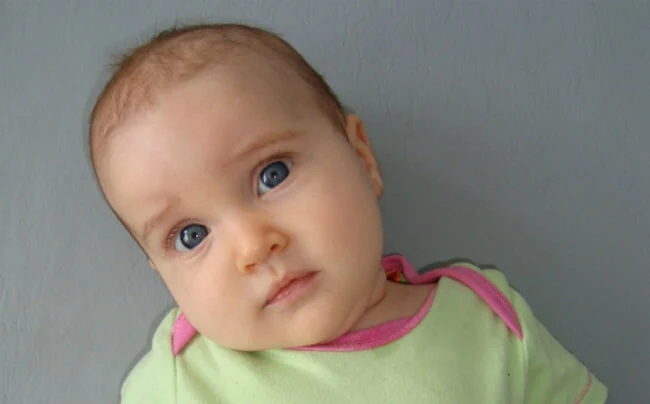
Torticollis, commonly referred to as wry neck, is a musculoskeletal condition marked by an abnormal and often painful positioning of the head and neck. In individuals with torticollis, the head typically tilts to one side while the chin rotates toward the opposite side, creating a visibly twisted posture.
This misalignment may lead to significant discomfort, restricted neck mobility, and long-term postural imbalances if not addressed. The term “torticollis” has its roots in Latin—tortus meaning “twisted” and collum meaning “neck”—accurately capturing the essence of the condition.
It can affect people of all age groups, from newborns to the elderly. It is most frequently observed in two forms: congenital torticollis, which appears in infants due to muscle tightness or intrauterine positioning, and acquired torticollis, which can develop later in life due to trauma, poor posture, infections, or neurological disorders. The condition may present suddenly or develop gradually over time and can range from a transient nuisance to a chronic disabling disorder, depending on the underlying cause.
Regardless of its origin, early detection and appropriate management of torticollis are crucial for optimal recovery. Left untreated, It can contribute to compensatory issues such as headaches, back and shoulder strain, and even facial asymmetry in children. Fortunately, with timely intervention—particularly through physiotherapy—most cases of torticollis can be successfully resolved.
At DMPhysios, a reputed physiotherapy clinic located in Noida and recognized for its specialized care in spine and sports conditions, we offer comprehensive, patient-centered rehabilitation programs tailored to meet the specific needs of individuals with torticollis.
Our expert physiotherapists focus on restoring natural head and neck alignment, reducing pain, improving function, and preventing recurrence through a combination of evidence-based therapies and individualized attention. Whether it’s a newborn with congenital muscular torticollis or an adult suffering from postural strain, DMPhysios is committed to guiding each patient toward lasting recovery and improved quality of life.
Symptoms
The symptoms of torticollis may vary depending on the severity and type, but commonly include:
- Head tilt to one side
- Limited range of motion in the neck
- Neck muscle stiffness or tightness
- Pain or discomfort, especially when moving the neck
- Asymmetry of the face and skull (in infants)
- Swelling of the neck muscles, especially the sternocleidomastoid
- One shoulder appearing higher than the other
- Headaches or dizziness (in chronic cases)
If left untreated, torticollis can lead to chronic pain, muscle imbalance, and even permanent changes in posture or facial structure, particularly in young children.
Types of Torticollis
It is broadly classified into several types based on its underlying cause:
1. Congenital Muscular Torticollis
This type is present at birth and is the most common form in infants. It usually occurs due to shortening or tightness of the sternocleidomastoid (SCM) muscle on one side of the neck, possibly from birth trauma or intrauterine positioning.
2. Acquired Torticollis
This develops after birth and can be caused by various factors including trauma, inflammation, infection, or neurological issues. It is more common in children and adults.
3. Spasmodic Torticollis (Cervical Dystonia)
A neurological form of torticollis that involves involuntary muscle contractions in the neck, leading to sustained twisting or jerking movements. This type is often chronic and can be painful.
4. Ocular Torticollis
Caused by visual impairments, where a person tilts their head to see better, leading to secondary neck issues.
5. Osseous Torticollis
This results from abnormalities in the cervical vertebrae, often congenital, leading to a structural twist in the neck.
Each type of torticollis has different implications and requires a unique approach to treatment, especially in the rehabilitation phase.
Causes
It can arise from multiple underlying factors:
- Birth trauma or difficult delivery (common in congenital torticollis)
- Intrauterine positioning
- Neck muscle injury or spasm
- Infections such as pharyngitis or retropharyngeal abscess
- Cervical spine abnormalities or disc herniation
- Neurological conditions like dystonia
- Use of certain medications leading to muscle contractions
- Eye muscle imbalance
- Postural habits or prolonged poor ergonomics
In infants, the most common cause remains muscular tightness from intrauterine constraint or trauma during delivery.
Risk Factors
The following factors can increase the likelihood of developing torticollis:
- First-born babies (due to limited space in the womb)
- Multiple births (twins or triplets)
- Prolonged labor or assisted deliveries (forceps, vacuum)
- Spinal disorders like scoliosis or kyphosis
- Neurological disorders
- Occupational hazards like working long hours on a screen
- Improper posture, especially during sleep or sitting
At DMPhysios, we assess both the presenting symptoms and the underlying risk factors to develop a tailored rehabilitation approach for every patient.
Treatment of Torticollis
The treatment for torticollis varies depending on the type, severity, and the age of the individual. Management can include:
1. Conservative Management
- Rest and activity modification
- Use of neck collars or soft braces (in selected cases)
- Application of heat or cold packs
- Over-the-counter anti-inflammatory medications (if advised)
2. Medical Management
- Muscle relaxants or anticholinergic drugs (for spasmodic torticollis)
- Botulinum toxin injections (Botox) to relieve muscle spasms
- Pain relievers and anti-inflammatory medications
- Treatment of underlying infection or inflammation if applicable
3. Surgical Intervention
In rare and severe cases, surgery may be considered, especially in congenital torticollis when conservative treatments fail. This may involve release or lengthening of the affected muscle.
However, physiotherapy remains the cornerstone of effective and long-term management in most cases of torticollis.
Physiotherapy Treatment
At DMPhysios, located in Noida and known for its expertise in spine and sports conditions, it rehabilitation is approached through a patient-centered model, emphasizing customized care. Here’s how we treat torticollis:
1. Comprehensive Assessment
Every patient undergoes a detailed musculoskeletal and neurological assessment to determine the type, severity, and functional limitations caused by torticollis. For infants, developmental milestones and head shape are also evaluated.
2. Stretching and Range of Motion Exercises
- Gentle, passive stretches of the neck muscles, especially the sternocleidomastoid
- Active range of motion exercises to encourage symmetrical head movements
- Positioning techniques for infants during sleep and feeding
3. Strengthening Exercises
- Targeted exercises for weak muscles on the opposite side of the tilt
- Strengthening of neck stabilizers to improve postural control
4. Postural Training
- Education and correction of poor posture
- Ergonomic advice for children and working adults
- Mirror feedback and sensorimotor retraining
5. Taping and Manual Therapy
- Kinesiology taping techniques to guide proper alignment
- Myofascial release, trigger point therapy, and joint mobilization
6. Neuromuscular Re-education
- For patients with spasmodic or neurological torticollis, techniques like proprioceptive training and balance therapy are used to normalize movement patterns.
7. Parent/Caregiver Education (For Pediatric Cases)
- Home exercise programs
- Advice on handling, positioning, and carrying the infant
- Tummy time strategies
8. Monitoring and Progression
- Periodic reassessment to ensure progress
- Transition to advanced strengthening and coordination drills
- Return-to-function or return-to-sport programs (in adults and athletes)
At DMPhysios, the emphasis is always on patient empowerment, ensuring the patient or caregiver is actively involved in the recovery journey.
Prevention
While not all forms of torticollis are preventable, especially congenital ones, certain strategies can reduce the risk or severity:
- Encourage tummy time in infants to build neck strength
- Alternate head positions during infant sleep
- Maintain good posture during work and screen time
- Regular stretching for individuals with sedentary lifestyles
- Early intervention if asymmetry is noted in a child
- Use proper ergonomics at the workplace
- Avoid prolonged fixed neck postures (e.g., mobile phone use)
Regular physiotherapy check-ups at DMPhysios can help identify early signs and implement corrective strategies before complications arise.
Conclusion
Torticollis, though often overlooked, can significantly affect an individual’s quality of life, posture, and physical function. Whether it manifests in infancy or adulthood, early diagnosis and proper intervention can lead to complete recovery in many cases. Physiotherapy remains the mainstay of treatment, especially in both congenital and acquired torticollis, offering non-invasive, effective, and personalized care.
At DMPhysios, a trusted physiotherapy clinic located in Noida, we specialize in spine and sports conditions, including the comprehensive management of torticollis. Our patient-centered rehabilitation programs are designed to not only address the immediate symptoms but also to correct the root cause, ensuring long-term relief and functional independence.
If you or your child are showing signs of it, don’t wait—early action can make all the difference.
Book a consultation with DMPhysios today and take the first step toward recovery and comfort.