Overview
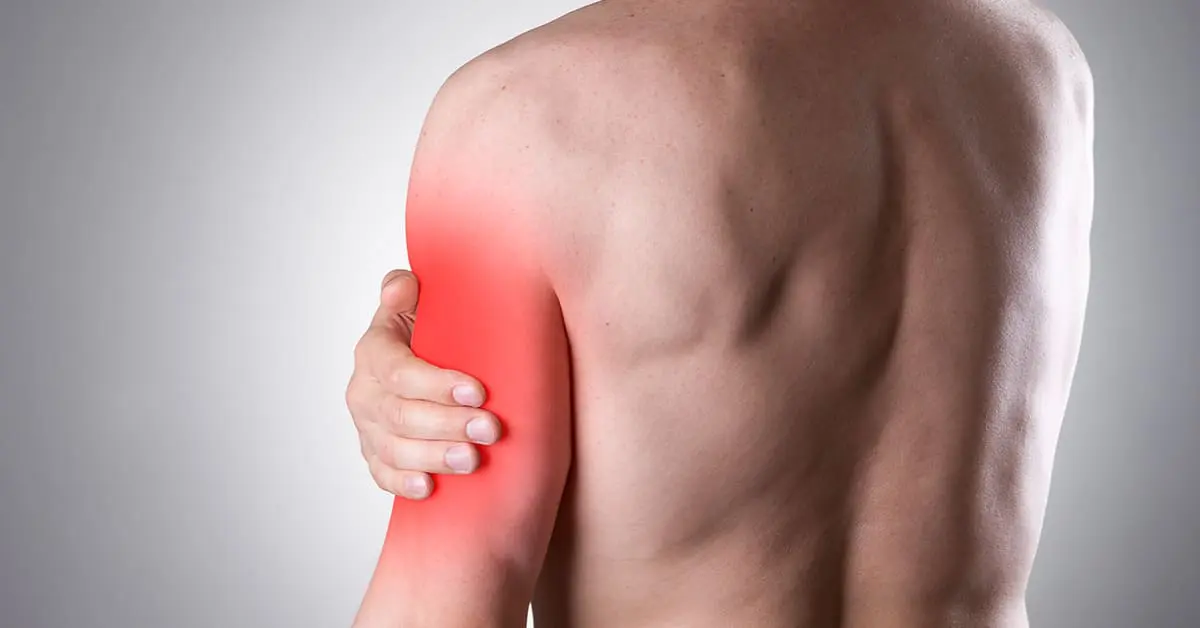
The triceps muscle, situated along the posterior (back) aspect of the upper arm, is one of the most powerful muscles in the upper limb. It is primarily responsible for elbow extension—the action of straightening the arm—and also plays an important role in stabilizing the shoulder during pushing, throwing, and weight-bearing activities. Whether you are lifting groceries, performing a push-up, or engaging in high-level athletic movements like serving in tennis or propelling a javelin, the triceps is continuously at work to generate force and maintain upper-limb control.
A triceps strain occurs when the muscle fibers or its tendon are subjected to excessive tension, repetitive overload, or a sudden traumatic force, leading to microscopic or macroscopic tearing. Depending on the severity, this injury may produce anything from mild soreness and reduced endurance to significant pain, weakness, and functional limitations that interfere with daily activities, work duties, or sports participation. Left untreated, a triceps strain can also predispose the tendon to chronic inflammation or even rupture, making early recognition and professional care essential.
At DMPhysios, a trusted clinic in Noida renowned for its expertise in spine and sports conditions and its patient-centered rehabilitation programs, our team frequently evaluates and manages individuals suffering from triceps strain. These range from weekend fitness enthusiasts who’ve overdone a workout to professional athletes dealing with repetitive stress injuries. By combining detailed assessment, evidence-based physiotherapy, and progressive exercise prescription, DMPhysios helps patients return to their activities safely, efficiently, and with a reduced risk of reinjury.
Symptoms
Recognizing the symptoms early can significantly improve recovery outcomes. Common signs of a triceps strain include:
- Pain at the back of the upper arm (especially near the elbow or shoulder)
- Swelling and tenderness over the triceps region
- Bruising or discoloration in more severe cases
- Weakness when extending the elbow or pushing movements
- Difficulty performing daily tasks like pushing open a door, lifting objects, or performing overhead activities
- A “popping” or tearing sensation at the time of injury (in moderate-to-severe strains)
At DMPhysios, our physiotherapists carefully assess the severity of these symptoms using clinical tests and imaging if required to classify the triceps strain accurately and develop a customized treatment plan.
Types of Triceps Strain
Although not always formally categorized, triceps strain can be described based on severity:
- Grade I (Mild)
- Small microtears of muscle fibers
- Mild pain, minimal loss of strength
- Usually recovers quickly with early intervention at clinics like DMPhysios
- Grade II (Moderate)
- Partial tear of muscle or tendon fibers
- Moderate pain, swelling, and reduced function
- Requires structured physiotherapy rehabilitation
- Grade III (Severe)
- Complete tear or avulsion (sometimes the tendon pulls off from the bone)
- Severe pain, extensive bruising, and loss of function
- May require surgical intervention followed by post-operative rehab at centers such as DMPhysios
Causes
A triceps strain may develop due to several mechanisms:
- Sudden overload during sports activities like throwing, weightlifting (bench press, dips), or pushing movements
- Repetitive stress from occupations or sports that demand frequent elbow extension
- Direct trauma or a fall onto the arm
- Improper training techniques such as poor warm-up, lifting too much weight, or inadequate recovery
- Previous elbow or shoulder injuries that compromise stability and force the triceps to work harder
Understanding the cause helps tailor the prevention and treatment strategies at DMPhysios, where every patient is evaluated individually for underlying risk factors.
Risk Factors
Some people are more susceptible to developing a triceps strain than others. Common risk factors include:
- Athletes involved in throwing or contact sports (football, basketball, cricket, javelin)
- Weightlifters or fitness enthusiasts who frequently perform pushing exercises without adequate technique
- Older individuals with decreased muscle elasticity
- Occupational strain (plumbers, carpenters, mechanics) due to repetitive pushing or overhead work
- Poor flexibility and muscle imbalances around the shoulder and elbow
- Previous upper-limb injuries
At DMPhysios, our physiotherapists routinely screen for these risk factors to help patients reduce the likelihood of recurring triceps strain.
Treatment
The treatment approach depends on the severity of the triceps strain. Early diagnosis and intervention significantly improve recovery. General management strategies include:
- Rest and activity modification: Avoid activities that aggravate pain.
- Ice therapy: Apply ice packs to reduce pain and swelling in the initial 48–72 hours.
- Compression bandaging: Helps control swelling.
- Elevation of the arm: Minimizes fluid accumulation.
- Pain management: Over-the-counter medications may be prescribed by a physician if necessary.
- Gradual return to activity: Structured rehabilitation ensures the muscle regains strength without reinjury.
Severe cases (Grade III) may require surgical repair, especially if the triceps tendon has completely ruptured. In such cases, post-operative physiotherapy at DMPhysios is crucial for restoring strength and function.
Physiotherapy Treatment
Physiotherapy forms the cornerstone of recovery for a triceps strain. At DMPhysios, our patient-centered approach combines evidence-based techniques with individualized care plans. Key components include:
1. Initial Phase (Acute Management)
- Pain and swelling control: Ice, gentle compression, and modalities like ultrasound, TENS or Accelerated Healing Therapy if indicated.
- Protected movement: Gentle range-of-motion (ROM) exercises for the elbow and shoulder to prevent stiffness without stressing the injured fibers.
- Education: Teaching patients about proper activity modification to prevent worsening of the injury.
2. Intermediate Phase (Restoration of Mobility and Early Strength)
- Active-assisted ROM exercises: Gentle elbow extension and flexion exercises to restore mobility gradually.
- Soft tissue therapy: Myofascial release or gentle massage to reduce adhesions and improve circulation.
- Isometric exercises: Gentle triceps activation without joint movement to maintain muscle engagement.
3. Strengthening Phase
- Progressive resistance training: Starting with low-resistance triceps extensions, push-downs using bands, and closed-chain activities like modified push-ups.
- Shoulder stabilizer strengthening: To ensure balanced loading of the triceps and reduce reinjury risk.
- Functional training: Gradually reintroducing sport-specific or work-related tasks.
4. Advanced / Return-to-Sport Phase
- Eccentric strengthening: Emphasizing slow, controlled lengthening of the triceps under load to improve tendon resilience.
- Plyometrics or dynamic drills: Medicine ball throws, push-ups on unstable surfaces, or resisted pushing tasks for athletes.
- Technique correction: Reviewing lifting or throwing mechanics to prevent recurrence.
This progressive rehabilitation model at DMPhysios ensures that individuals with a triceps strain recover fully, regain optimal performance, and minimize the risk of future injury.
Prevention
Preventing a triceps strain is always better than treating one. Some effective preventive strategies include:
- Warm-up and stretching: Perform dynamic warm-ups and gentle triceps/shoulder stretches before training.
- Gradual progression in training loads: Avoid sudden increases in weight or intensity.
- Strengthening supporting muscles: Focus on balanced training of the biceps, shoulders, and scapular stabilizers.
- Proper technique: Ensure correct form during pushing and throwing activities.
- Adequate recovery: Incorporate rest days and recovery modalities into training schedules.
- Address pre-existing issues: Seek early intervention at DMPhysios for shoulder or elbow pain before it evolves into a triceps strain.
Conclusion
A triceps strain may seem like a minor injury initially, but without timely diagnosis and structured care, it can lead to chronic pain, weakness, and even tendon rupture. Recognizing symptoms early, understanding the underlying causes, and adopting an evidence-based treatment plan are essential to a full recovery.
At DMPhysios, a premier clinic in Noida specializing in spine and sports conditions with a strong emphasis on patient-centered rehabilitation, we are dedicated to helping individuals with triceps strain regain their strength, mobility, and confidence. Our experienced physiotherapists combine advanced techniques with personalized programs to ensure a safe and effective return to your desired activities—whether it’s sports, work, or daily living.
If you’re experiencing pain, weakness, or discomfort in the back of your upper arm, don’t ignore it. Schedule a consultation at DMPhysios today and let our expert team guide you through a tailored rehabilitation plan for your triceps strain.