Overview
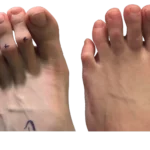
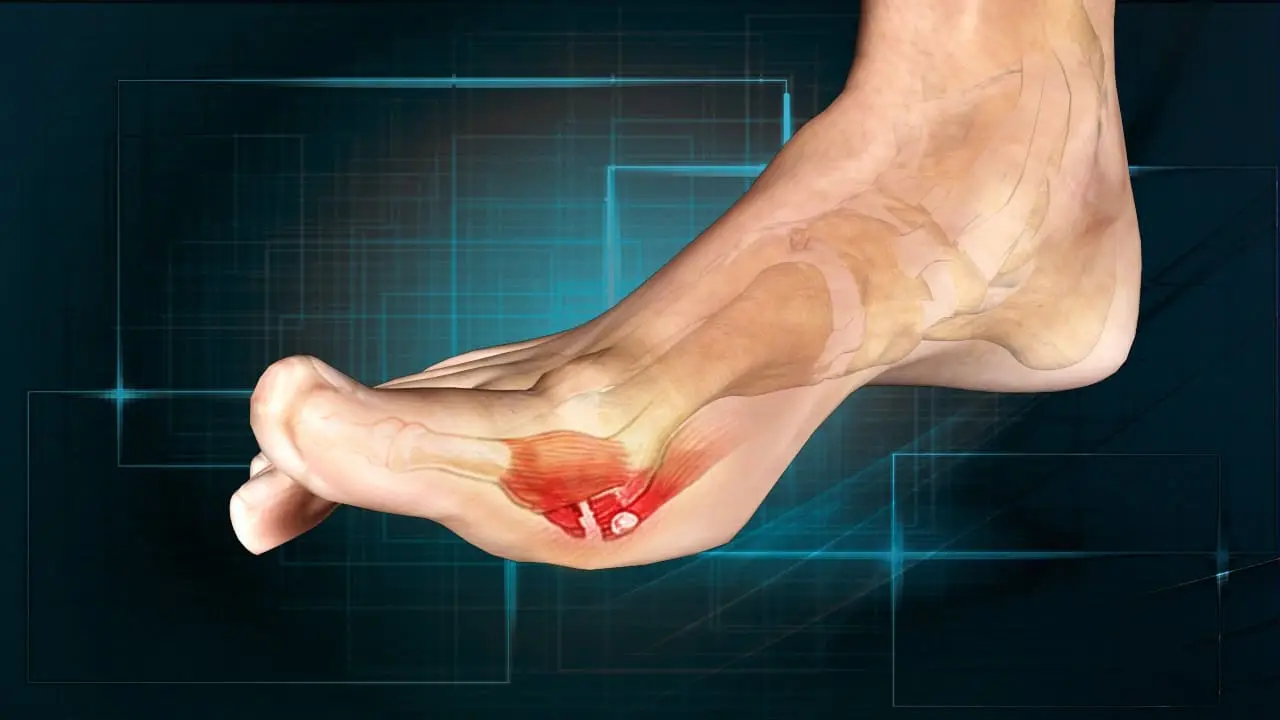
Turf toe is a condition that refers to a sprain of the metatarsophalangeal (MTP) joint—the main joint at the base of the big toe. This injury affects the soft tissues surrounding the joint, including the ligaments, tendons, joint capsule, and sometimes even the surrounding muscles, depending on the severity. Though the term “turf toe” may sound benign or even trivial to some, the reality is quite different.
For athletes and active individuals, turf toe can be a debilitating injury that interferes with basic functions like walking, running, or jumping. The condition most frequently occurs during high-impact sports, especially those played on artificial turf, which is where the term “turf toe” originated. The harder, less forgiving surface of synthetic turf combined with the use of flexible athletic footwear creates a biomechanical environment in which the big toe is vulnerable to being forcibly bent upward beyond its normal range. However, turf toe is not exclusive to athletes. It can also occur in dancers, military personnel, and even fitness enthusiasts—anyone who engages in repetitive forefoot activity or experiences sudden trauma to the toe joint.
The core mechanism behind turf toe involves hyperextension of the MTP joint, where the big toe is bent upward excessively while the heel is lifted off the ground. This motion stretches or tears the soft tissues located underneath the toe. In severe cases, the injury can involve partial or complete rupture of the ligaments and joint capsule. Turf toe not only causes acute pain and swelling but also leads to reduced range of motion, gait disturbances, and long-term instability if not properly managed.
What makes turf toe particularly challenging is its tendency to be underestimated and underdiagnosed. Because it may not always involve visible deformity or bruising, many individuals continue to bear weight on the injured foot, unintentionally worsening the condition. Over time, the repeated stress and unresolved inflammation can evolve into chronic joint dysfunction, significantly compromising athletic performance and overall mobility.
At DMPhysios, a premier physiotherapy clinic located in Noida with a dedicated focus on spine and sports injuries, we understand the multidimensional impact of turf toe. We approach this condition not just as a local joint injury but as a functional disruption that can affect the entire lower kinetic chain—from the toes to the hips and spine. Our patient-centered rehabilitation model ensures that each individual receives a customized, evidence-based treatment plan that addresses the root cause of the injury, promotes complete healing, and prevents recurrence. Whether you’re a professional athlete, a weekend warrior, or someone recovering from a simple misstep, our goal at DMPhysios is to help you recover quickly and return to your highest level of activity—safely and confidently.
Symptoms of Turf Toe
The symptoms of turf toe can vary depending on the severity of the injury but typically include:
- Discomfort and sensitivity around the base of the big toe
- Swelling in the MTP joint
- Limited range of motion, particularly during push-off
- Bruising or discoloration
- Inability to bear weight or perform sports movements like sprinting or jumping
- A sensation of looseness or unsteadiness in the toe joint
At DMPhysios, our expert physiotherapists assess not just the symptoms but the biomechanics of your entire lower limb to understand how turf toe may be affecting your gait and performance.
Types of Turf Toe
Turf toe injuries are classified into three grades, depending on the extent of damage to the soft tissues:
- Grade 1 (Mild): Minor stretching of the soft tissues. Mild tenderness and minimal swelling. The athlete may continue to play with minor discomfort.
- Grade 2 (Moderate): Partial tearing of the soft tissue. Moderate pain, swelling, and restricted movement. Running and jumping become difficult.
- Grade 3 (Severe): Complete rupture of the ligaments or joint capsule. Significant swelling, severe pain, bruising, and an inability to bear weight.
Understanding the grade is crucial for proper treatment. At DMPhysios, we use clinical tests along with imaging (if needed) to determine the severity and guide the most effective rehab strategy.
Causes of Turf Toe
Turf toe typically occurs when:
- The forefoot is fixed on the ground, and the heel is raised, as in a sprinting position.
- An external force (e.g., another player or hard surface) hyperextends the toe upward, causing joint damage.
Common causes include:
- Sudden stops or pivots during sports
- Overuse in running or jumping
- Wearing flexible footwear on hard surfaces
- Direct trauma to the big toe
Athletes in football, basketball, rugby, and wrestling are particularly prone to turf toe injuries.
Risk Factors
Several factors can increase the likelihood of developing turf toe:
- Playing on artificial turf: The surface has less give and increases traction, which can lead to toe hyperextension.
- Improper footwear: Shoes that lack rigidity in the forefoot area provide insufficient support.
- High-performance sports: Activities that involve sprinting, cutting, or pushing off repetitively.
- Previous toe injuries: A history of MTP joint sprains weakens joint integrity.
- Poor biomechanics: Flat feet, weak intrinsic foot muscles, or improper gait patterns can predispose individuals.
At DMPhysios, gait analysis and footwear assessments are integral parts of the evaluation to identify and address modifiable risk factors.
Treatment of Turf Toe
Initial Treatment (Acute Phase)
During the first 72 hours following injury:
- Rest: Avoid aggravating activities to prevent further damage.
- Ice: Apply for 15–20 minutes every 2–3 hours to control swelling.
- Compression: Use elastic bandages or taping to support the joint.
- Elevation: Raise the foot above the level of the heart to help minimize swelling.
- NSAIDs: As prescribed, to manage pain and inflammation.
Grade 1 injuries may resolve in a few days with conservative care. Grade 2 may require several weeks, while Grade 3 injuries might necessitate immobilization or even surgery.
Advanced Treatment
- Immobilization: In moderate to severe cases, a cast or walking boot may be recommended to restrict movement and promote healing.
- Assistive Devices: Crutches can help offload weight from the toe.
- Taping or Orthotics: Provide joint support and prevent recurrence.
At DMPhysios, we carefully tailor the recovery plan based on injury severity, functional demands, and the patient’s goals—especially in active populations.
Physiotherapy Treatment at DMPhysios
Physiotherapy plays a pivotal role in the complete recovery from turf toe. At DMPhysios, our expert sports physiotherapists offer a comprehensive and individualized program that follows a structured progression through several stages:
1. Acute Phase (0–7 Days)
Goals: Control pain, reduce inflammation, protect the joint
- Modalities like ice therapy, ultrasound, and electrical stimulation
- Toe taping or splinting to limit motion
- Gentle toe movements within pain limits to avoid stiffness
- Non-weight bearing activities for fitness maintenance, such as cycling or swimming
2. Subacute Phase (1–3 Weeks)
Goals: Restore range of motion, reduce stiffness, and begin muscle activation
- Toe mobilizations to gently increase MTP joint flexibility
- Towel curls, toe spreads, and marble pickups to activate intrinsic foot muscles
- Balance training on soft surfaces (e.g., balance pad) to improve proprioception
- Progressive weight-bearing, using protective footwear or orthoses
3. Strengthening Phase (3–6 Weeks)
Goals: Rebuild strength and endurance of toe flexors, foot, and calf muscles
- Resisted toe flexion exercises using resistance bands
- Calf raises, single-leg balance drills
- Walking drills on varying surfaces
- Footwear assessment and orthotic correction if needed
At this point, the athlete may resume light jogging if cleared by the physiotherapist.
4. Functional and Sports-Specific Training (6–8 Weeks and beyond)
Goals: Restore full function, prevent recurrence, and prepare for return to sport
- Plyometric exercises: Hops, jumps, and directional changes
- Agility drills: Ladder work, cone drills
- Sport-specific drills under supervision (sprinting, cutting, kicking)
- Return-to-play testing and movement analysis
The DMPhysios team ensures gradual reintegration into sports with ongoing monitoring, providing support throughout the athlete’s journey back to full performance.
Prevention of Turf Toe
While turf toe can be sudden and unpredictable, there are several ways to reduce the risk:
- Proper footwear: Use shoes with a stiff sole and adequate forefoot support
- Orthotics: Especially for those with biomechanical issues like flat feet
- Warm-up and mobility work: Prepare the MTP joint for dynamic activity
- Strengthening exercises: Focus on foot and ankle stabilizers
- Surface awareness: Use appropriate footwear when transitioning between natural and artificial turf
At DMPhysios, we incorporate preventive strategies into every treatment plan. This includes educating patients on self-care, correct movement patterns, and return-to-play protocols to ensure long-term joint health.
Conclusion
Turf toe might seem like a minor injury, but it can have major implications on mobility, performance, and quality of life—especially for athletes. Whether you’re a weekend runner or a professional player, early recognition and comprehensive treatment are key to full recovery.
At DMPhysios, located in Noida, we specialize in managing turf toe and other sports-related injuries using a patient-centered rehabilitation approach. Our team of skilled physiotherapists, sports injury specialists, and movement experts ensures that you don’t just recover but return to your sport stronger, smarter, and more resilient.
If you or someone you know is struggling with turf toe symptoms—or any sports injury—don’t wait. Reach out to DMPhysios today and take the first step toward complete, confident recovery.
Let DMPhysios help you get back on your feet—literally. Book your consultation now and experience expert care in the heart of Noida.