
Restless Leg Syndrome: The Hidden Sleep Thief
Article Overview
- What Exactly Is Restless Leg Syndrome?
- Why RLS Often Goes Unrecognized
- The Sensory-Motor Mystery: Why RLS Happens
- The RLS-Sleep Cycle: How Restlessness Breaks Rest
- What Makes RLS Worse?
- RLS vs. Other Conditions: What It’s NOT
- The Holistic Management of RLS: What Actually Helps
- What Happens If You Ignore RLS?
- Physiotherapy Management for Restless Leg Syndrome: A Quick Guide
- Final Thoughts

I
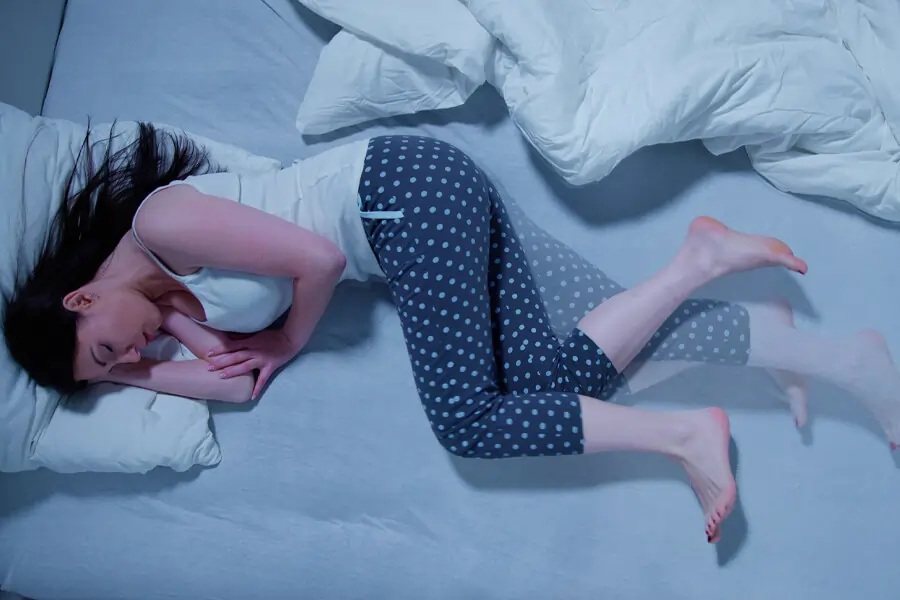
f you’ve ever laid in bed after a long day, exhausted and ready to sleep, only to feel your legs buzzing, twitching, crawling, or demanding movement… you’re not alone. Restless Leg Syndrome (RLS) is one of the most overlooked and misunderstood conditions affecting sleep, yet it disrupts the lives of millions. And unlike classic sleep disorders where falling asleep is the challenge, RLS creates a unique nightly battle, your body wants rest, but your legs simply won’t let you.
This blog dives deep into the quirky, frustrating, and often misunderstood world of RLS, written in a way that’s engaging, relatable, and scientifically grounded. Whether you’re a health professional, a patient, or just someone curious about this “hidden sleep thief,” you’re in for a complete, easy-to-digest breakdown.
What Exactly Is Restless Leg Syndrome?
Restless Leg Syndrome (RLS), also known as Willis-Ekbom disease, is a neurological sensory-motor condition. The hallmark feature?
An uncontrollable urge to move the legs, usually accompanied by uncomfortable sensations.
These sensations are often described as:
- Crawling
- Tingling
- Pulling
- Burning
- Twitching
- Electric shock-like feelings
- “Insects under the skin”
- Deep ache that movement temporarily relieves
And yes, movement is the key word. People with RLS often find relief only when they walk, stretch, shake their legs, or constantly reposition themselves.
The catch?
These sensations mainly appear during rest, especially in the evening or at night, right when you want to relax or sleep.
This is why RLS is frequently labelled the “hidden sleep thief.” You may not consciously wake up gasping for air like in sleep apnea, but the constant movement, discomfort, and restlessness silently rob you of deep, restorative sleep.
Why RLS Often Goes Unrecognized
Many people brush off their symptoms thinking:
“Maybe I’m just tired.”
“My legs are weird.”
“It’s nothing serious.”
Others don’t know how to describe what they feel. They simply say “my legs won’t settle.”
And because RLS symptoms worsen when you try to rest, it often leads to:
- Difficulty falling asleep
- Difficulty staying asleep
- Night-time anxiety
- Irritability
- Morning fatigue
- Daytime sleepiness
It becomes a cycle that impacts mood, productivity, focus, fitness, and even relationships. That’s why clinics like DMPhysios often see patients who initially come for something like “knee pain,” “calf tightness,” or “insomnia,” and only later realize RLS is the underlying culprit.
Who Gets RLS? More People Than You Think
While RLS can show up in anyone, certain groups are more prone:
1. Women
Women are up to twice as likely to experience RLS due to hormonal fluctuations, iron levels, and pregnancy.
2. Pregnant Women
Up to 1 in 5 pregnant women experience RLS, especially in the third trimester.
3. People with Iron Deficiency
Low ferritin levels are strongly linked to RLS.
4. Family History
RLS often runs in families—particularly when symptoms start before age 40.
5. Certain Medical Conditions
People with the following have a higher risk:
- Diabetes
- Chronic kidney disease
- Neuropathy
- Parkinson’s disease
- Thyroid disorders
- Rheumatoid arthritis
6. People with Sedentary Jobs
Desk jobs, long sitting hours, night shifts, and static postures can make symptoms worse.
Understanding the risk factors helps clinics like DMPhysios screen patients more accurately instead of simply treating the symptoms.
The Sensory-Motor Mystery: Why RLS Happens
Researchers don’t have a single, perfect explanation yet, but they know it involves a mix of:
1. Dopamine Dysregulation
Dopamine is involved in movement control. Imbalances may cause the sensory “urge to move.”
2. Iron Deficiency in the Brain
Even if your blood iron is normal, your brain iron might be low. This affects dopamine pathways and may trigger RLS.
3. Genetics
A strong hereditary link exists. If one parent has it, the child has a higher chance.
4. Nervous System Hyperexcitability
Some people simply have nerves that fire too easily at rest.
5. Chronic Inflammation
Autoimmune or inflammatory conditions can irritate nerve pathways.
6. Medications
Some drugs can worsen symptoms:
- Antihistamines
- Antidepressants
- Antipsychotics
- Anti-nausea medications
7. Lifestyle Factors
Coffee, nicotine, alcohol, and sedentary behavior all play a role.
The RLS-Sleep Cycle: How Restlessness Breaks Rest
The most frustrating part of RLS?
It sabotages the timing of sleep, not just the quality.
Here’s how:
- You lie down → Symptoms start.
- You get up to walk → Temporary relief.
- You try lying down again → Symptoms restart.
- This continues for hours → Sleep deprivation begins.
- Your brain adapts poorly → The cycle repeats nightly.
Over time, people develop:
- Poor deep sleep
- Increased fatigue
- Brain fog
- Decreased pain tolerance
- Anxiety related to bedtime
This is why the approach at DMPhysios focuses on breaking this cycle, not just calming the legs, but improving the sleep routine, posture habits, and neural regulation.
What Makes RLS Worse?
Many daily habits unknowingly trigger or intensify RLS symptoms.
1. Caffeine
Because stimulants irritate the nervous system.
2. Alcohol
It disrupts sleep architecture and increases nerve irritation.
3. Smoking
Nicotine constricts blood vessels, making sensations worse.
4. Long periods of sitting
Office desks, long drives, flights, or binge-watching sessions.
5. Poor sleep routine
Irregular bedtime reinforces the neurological cycle.
6. Stress
Stress intensifies every sensory issue, including RLS.
7. Dehydration
Muscles become tight, sensitive, and prone to twitching.
RLS vs. Other Conditions: What It’s NOT
People often confuse RLS with:
1. Muscle Cramps
Cramps are painful, sudden tightening. RLS feels more like a deep discomfort.
2. Neuropathy
Neuropathy causes numbness or burning but doesn’t improve with movement.
3. Anxiety
Anxiety makes you jittery mentally; RLS is a physical urge in the legs.
4. Varicose Veins
These cause heaviness and ache, not the creepy-crawly movement sensation.
A proper diagnosis makes treatment smoother, another reason why many patients consult centers like DMPhysios for clarity and structured management.
How RLS Is Diagnosed
There’s no single test. Diagnosis is based on:
- The urge to move the legs
- Symptoms worsen at rest
- Movement gives relief
- Symptoms worsen in the evening or night
- No other condition explains symptoms better
Sometimes blood tests are done to check:
- Iron and ferritin
- Vitamin B12
- Folate
- Thyroid levels
- Kidney function
The Holistic Management of RLS: What Actually Helps
RLS doesn’t have a perfect cure yet, but it can be managed exceptionally well with the right approach.
Here are the most effective strategies:
1. Iron Optimization
Iron deficiency, even mild, can cause or worsen RLS.
Increasing iron through:
- Spinach, beetroot, lentils
- Fortified foods
- Iron supplements (only if recommended)
Ferritin levels above 75 ng/mL are ideal for RLS control.
2. Movement Therapy
Regular movement helps reduce nerve sensitivity.
Effective exercises include:
- Calf stretching
- Hamstring stretching
- Ankle pumps
- Squats
- Glute activation
- Walking
- Stationary cycling
Clinics like DMPhysios often build customized exercise plans that target circulation, muscle balance, and nerve mobility.
3. Nervous System Calm-Down Techniques
Since RLS is neurologically driven, calming the nervous system helps tremendously.
Try:
- Deep breathing exercises
- Progressive muscle relaxation
- Yoga
- Meditation
- Warm baths before bed
4. Sleep Routine Reset (Sleep Hygiene)
A strict bedtime routine trains the brain to settle:
- Go to bed at the same time daily
- Avoid screens 1 hour before sleep
- Keep the bedroom cool, quiet, and dark
- Avoid caffeine after 3 PM
5. Lifestyle Changes
- Reduce coffee
- Stop smoking
- Limit alcohol
- Stay hydrated
- Avoid heavy meals before bed
6. Medications
Only in moderate to severe cases that to be under supervision.
Common medications include:
- Dopamine agonists
- Anti-seizure medications
- Iron therapy
- Sleep medications in rare cases
7. Compression & Massage
Some people find relief with:
- Foam rolling
- Calf and foot massage
- Warm compress
- Compression socks
These help improve circulation and decrease sensory feedback.
What Happens If You Ignore RLS?
Untreated RLS doesn’t just disturb sleep; it can impact overall health.
Potential consequences include:
- Chronic insomnia
- Anxiety or depressive symptoms
- Relationship stress
- Reduced work productivity
- Memory problems
- Chronic fatigue
- Increased pain sensitivity
With long-term sleep deprivation, your immune system weakens and inflammation increases. This is why early management, like the programs provided at DMPhysios, is essential.
RLS in Daily Life: The Unseen Challenges
People with RLS often deal with:
- Constant fidgeting during meetings
- Trouble sitting through movies or flights
- Embarrassment due to frequent leg movement
- Difficulty being still during meditation, yoga, or prayer
- Emotional exhaustion due to sleep loss
Because RLS is an “invisible” condition, many people don’t get the empathy they deserve.
RLS in Athletes & Fitness Lovers
You may assume active people don’t get RLS, but they do.
Why?
- Overtraining
- Electrolyte imbalances
- Iron loss from heavy workouts
- Nerve irritation
- Tight hamstrings and calves
Proper recovery, hydration, and mobility training are key here.
Can Kids Get RLS?
Yes!
Children sometimes report “growing pains” that are actually RLS.
Signs include:
- Leg discomfort at night
- Trouble falling asleep
- Hyperactivity (movement relieves symptoms)
Many kids labeled “restless” are actually dealing with RLS-like symptoms.
Physiotherapy Management for Restless Leg Syndrome: A Quick Guide
Managing Restless Leg Syndrome doesn’t always require complicated treatments, sometimes the right physiotherapy routine can make a world of difference. The goal is simple: calm the nerves, relax the muscles, and restore comfortable, restful nights.
- Stretching: Gentle stretches for the calves, hamstrings, and hip flexors help ease the tightness that often aggravates RLS symptoms.
- Strengthening Exercises: Building strength in the glutes, quads, and core improves overall lower-limb stability, reducing irritability in the legs.
- Aerobic Movement: Light activities like walking or cycling improve circulation and calm the nervous system, making evening symptoms less intense.
- Nerve Gliding Techniques: Sciatic nerve mobilization can decrease neural tension, which is often a silent contributor to leg discomfort.
- Massage & Myofascial Release: A few minutes of soft-tissue work can relax overactive muscles and soothe nighttime restlessness.
- Heat or Contrast Therapy: Warmth encourages blood flow and gives quick relief, especially before bedtime.
- Sleep Hygiene Coaching: Physiotherapists guide patients on better sleep habits, regular timings, evening relaxation, and reducing screen time.
- Posture & Gait Correction: Aligning the lower limbs and improving walking mechanics can reduce stress on the neuromuscular system.
- TENS Therapy: For some, mild electrical stimulation offers noticeable relief from nighttime leg discomfort.
- Lifestyle Adjustments: Reducing caffeine, staying hydrated, and incorporating an evening stretching routine can significantly control flare-ups.
If you’re dealing with RLS, physiotherapy offers more than just exercises, it provides a holistic, practical approach to reclaiming restful, peaceful nights.
The Future of RLS: Better Awareness, Better Relief
With more people recognizing the symptoms, awareness is improving. Modern rehab centers, sleep specialists, and physiotherapy clinics, including DMPhysios, are now offering combined approaches that support the nervous system, mobility, sleep health, and lifestyle alignment.
Final Thoughts: Understanding the Hidden Sleep Thief
Restless Leg Syndrome may not be painful in the traditional sense, but it is disruptive. It steals rest, peace, and quality of life quietly, night after night.
The good news? With the right strategies, most people experience dramatic relief.
RLS reminds us that the body and mind are deeply connected. Sometimes our nerves need calming, our muscles need balance, and our brain needs rhythm.
And once we understand what’s happening beneath the surface, we can reclaim our nights, and our days.
If you’re dealing with restless legs or unexplained sleep disturbances, it’s worth seeking professional guidance. Clinics like DMPhysios offer structured evaluation and management strategies that help you get back to restful, uninterrupted sleep.