
The Transformative Role of Physiotherapy for Prenatal and Postnatal Health
Article Overview
- Understanding the Physical Changes During Pregnancy
- What Is Pregnancy Physiotherapy?
- Benefits of Prenatal Physiotherapy
- Common Prenatal Physiotherapy Interventions
- Postnatal Physiotherapy: Supporting Recovery After Childbirth
- Common Conditions Treated with Pregnancy Physiotherapy
- The Psychological Benefits of Physiotherapy During Pregnancy
- Practical Exercises You Can Do at Home
Pregnancy is a miraculous journey, but it also comes with significant physical and emotional changes that challenge a woman’s body. From fluctuating hormones to weight gain, posture changes, and altered mobility, pregnancy places unique demands on muscles, joints, and the cardiovascular system. Many women experience back pain, pelvic discomfort, or reduced flexibility during this period, which can affect quality of life and daily functioning.
Physiotherapy, tailored to prenatal and postnatal care, offers a transformative approach to managing these challenges. By combining movement therapy, strengthening exercises, and education, physiotherapy empowers women to navigate pregnancy with greater comfort, maintain physical health, and recover efficiently after childbirth. In this blog, we explore the unique benefits of pregnancy physiotherapy, specific interventions, and practical tips for prenatal and postnatal wellness.
Understanding the Physical Changes During Pregnancy
Pregnancy brings a cascade of physiological transformations that prepare the body for childbirth. While these changes are natural, they often lead to discomfort or injury if not addressed proactively.
1. Hormonal Changes and Joint Laxity
Pregnancy hormones, particularly relaxin , increase ligament laxity, allowing joints to stretch in preparation for delivery. While this is essential for childbirth, it can make joints, particularly in the pelvis and lower back, more vulnerable to strain and instability.
2. Weight Gain and Postural Shifts
The gradual increase in body weight shifts the center of gravity forward. This often results in an exaggerated lumbar curve (lordosis), rounded shoulders, and altered gait, contributing to back, hip, and pelvic pain.
3. Pelvic Floor Stress
Carrying a growing baby places significant pressure on the pelvic floor muscles, which support the bladder, uterus, and bowel. Weakness or dysfunction in these muscles can lead to urinary incontinence, pelvic organ prolapse, or discomfort during daily activities.
4. Muscular Imbalances
As the abdomen expands, core muscles, particularly the transverse abdominis, become stretched and less effective. This can reduce trunk stability, impacting posture, balance, and overall functional mobility.
What Is Pregnancy Physiotherapy?
Pregnancy physiotherapy, also known as prenatal and postnatal physiotherapy, is a specialized branch of physiotherapy focused on supporting women throughout pregnancy and postpartum recovery. The approach combines therapeutic exercises, manual therapy, education, and lifestyle guidance to prevent or treat musculoskeletal issues, maintain mobility, and enhance overall well-being.
Unlike general exercise programs, pregnancy physiotherapy considers:
- Safety for both mother and baby
- Hormonal and biomechanical changes during gestation
- Individual health conditions, such as gestational diabetes or preeclampsia
- Specific goals for postpartum recovery, including pelvic floor restoration
Benefits of Prenatal Physiotherapy
Prenatal physiotherapy offers numerous advantages that go beyond temporary pain relief.
1. Pain Management
Lower back pain and pelvic discomfort affect up to 50%–70% of pregnant women. Physiotherapy addresses these issues through:
- Postural correction exercises
- Targeted stretching for tight muscles
- Strengthening of stabilizing muscles, including the core, glutes, and scapular stabilizers
- Manual therapy techniques to relieve tension in the back, neck, and hips
2. Improved Mobility and Flexibility
Maintaining flexibility in the hips, spine, and shoulders helps pregnant women stay active, perform daily activities comfortably, and reduce stiffness. Exercises such as gentle yoga, stretching, and controlled strength training are tailored to the stage of pregnancy and individual tolerance.
3. Pelvic Floor Health
A strong pelvic floor supports bladder and bowel function and prepares the body for childbirth. Physiotherapists teach **pelvic floor exercises (Kegels), diaphragmatic breathing, and core activation techniques** that strengthen these muscles safely during pregnancy.
4. Preparation for Labor
Prenatal physiotherapy includes breathing techniques, posture training, and labor positions that improve endurance, reduce fatigue, and prepare the body for delivery. Strengthening key muscle groups also contributes to shorter, more efficient labor and reduces complications.
5. Preventing Complications
Proactive physiotherapy can reduce the risk of sciatica, sacroiliac joint dysfunction, diastasis recti, and gestational hypertension, allowing women to experience a healthier pregnancy overall.
Common Prenatal Physiotherapy Interventions
1. Core Strengthening and Stabilization
Core muscles, including the transverse abdominis and obliques, are stretched during pregnancy. Physiotherapists use safe exercises such as:
- Modified planks
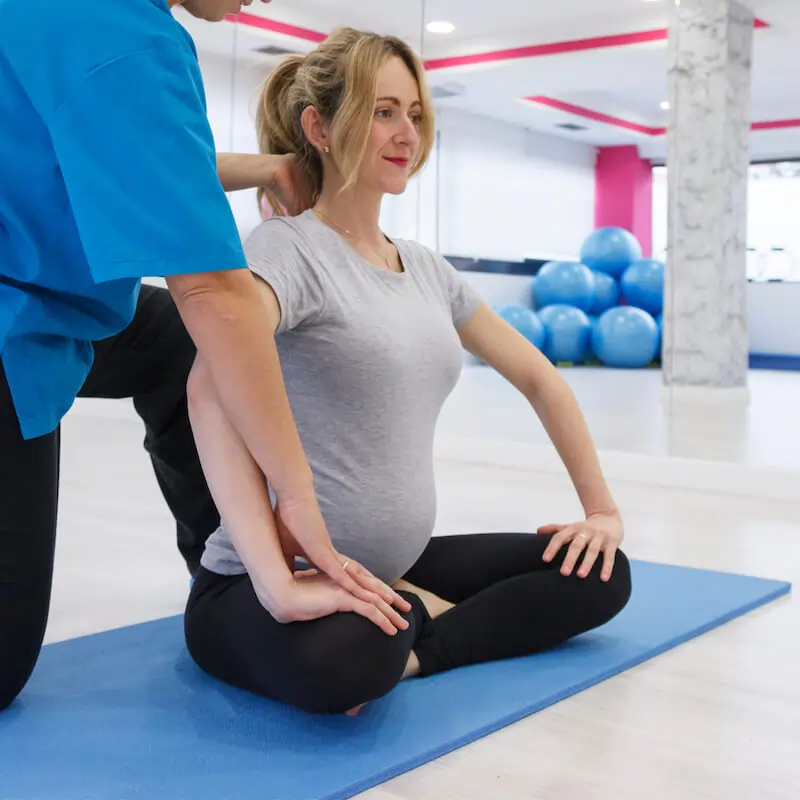
- Seated or side-lying core activation
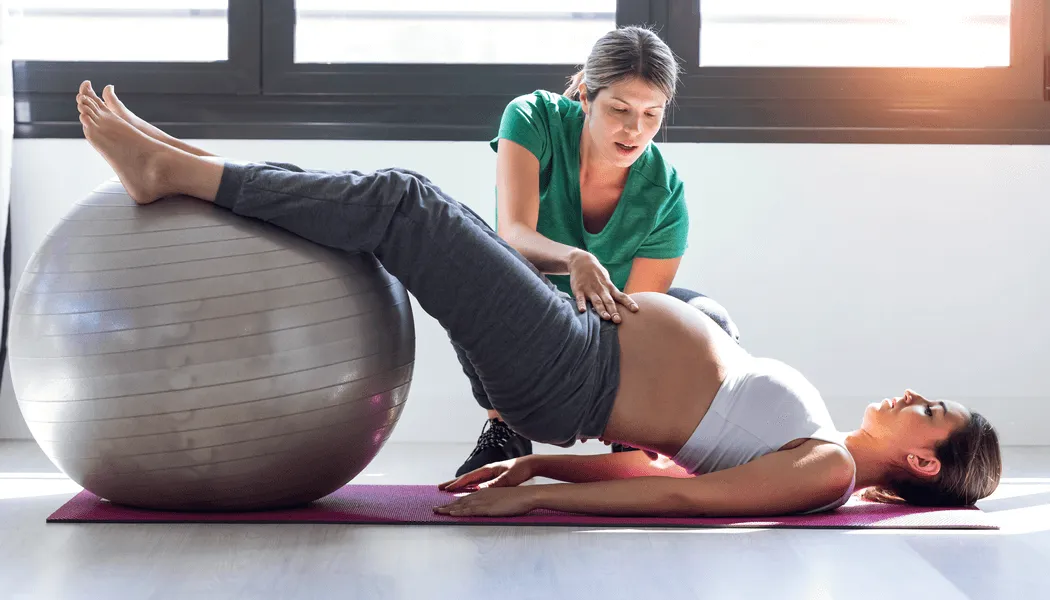
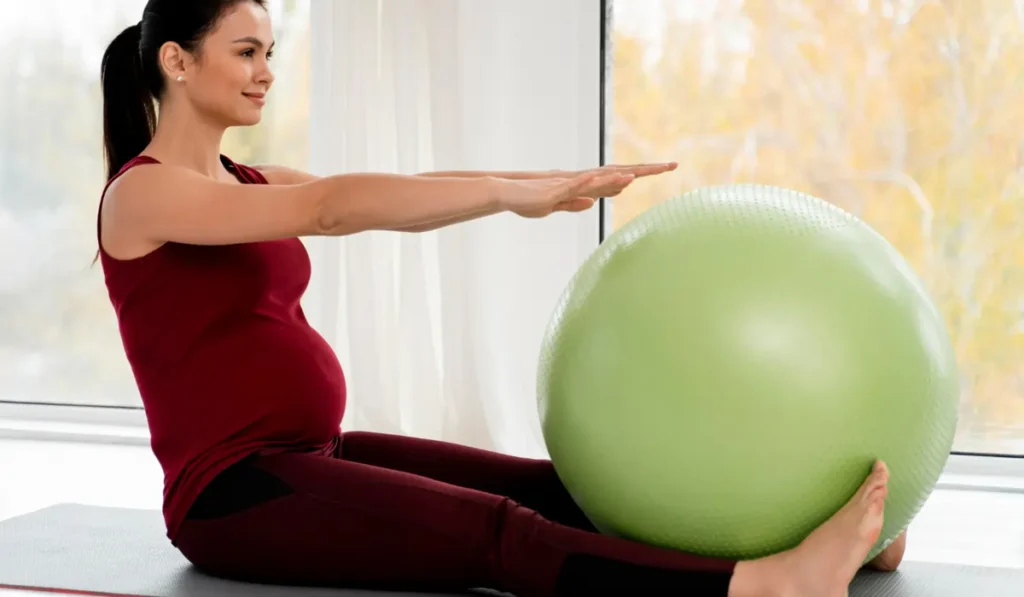
- Stability ball exercises
These exercises improve trunk stability, support posture, and reduce back pain.
2. Postural Correction Exercises
To counter forward-leaning posture and rounded shoulders, physiotherapists teach exercises such as:
- Shoulder blade squeezes
- Wall angels
- Cat-cow stretches
- Gentle thoracic spine mobilization
3. Pelvic Floor Training
Techniques include:
- Kegel exercises
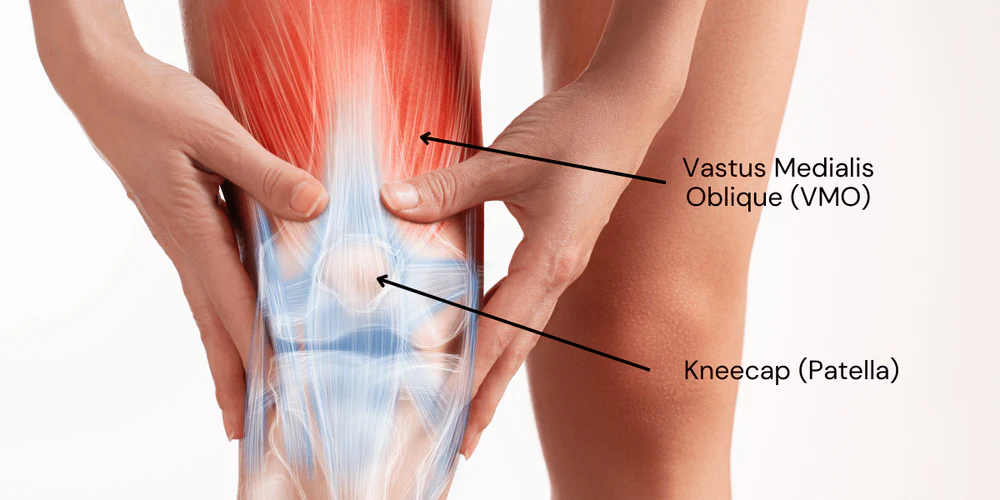
- Pelvic tilts and bridges
- Breathing exercises to coordinate diaphragm and pelvic floor activation
These strengthen supportive muscles, prevent incontinence, and prepare for vaginal delivery.
4. Gentle Aerobic and Functional Training
Low-impact exercises such as swimming, walking, stationary cycling, or prenatal yoga enhance cardiovascular endurance, reduce swelling, and maintain overall strength without overstraining joints.
5. Pain Relief Modalities
Physiotherapists use non-invasive techniques like:
- Heat or cold therapy
- Manual soft tissue release
- TENS (transcutaneous electrical nerve stimulation) when appropriate
These methods relieve discomfort without medication, ensuring safety for mother and baby.
Postnatal Physiotherapy: Supporting Recovery After Childbirth
The postpartum period is a critical phase for restoring function, strength, and confidence in daily activities. Physiotherapy after delivery focuses on healing, retraining muscles, and improving mobility.
1. Pelvic Floor Rehabilitation
Childbirth can weaken or injure the pelvic floor. Postnatal physiotherapy includes:
- Pelvic floor muscle re-education
- Biofeedback and electrical stimulation when necessary
- Guidance on gradually returning to high-impact activities
2. Abdominal and Core Recovery
Pregnancy stretches abdominal muscles and may lead to diastasis recti , a separation of the rectus abdominis. Physiotherapy programs focus on:
- Deep core activation
- Safe abdominal strengthening
- Posture and alignment retraining
3. Posture and Upper Body Strength
Caring for a newborn often involves bending, lifting, and feeding in awkward positions. Physiotherapy helps:
- Strengthen upper back and shoulder muscles
- Correct rounded shoulders
- Reduce neck and back pain associated with feeding or lifting
4. Scar Tissue and Surgical Recovery
Women who have undergone cesarean delivery benefit from physiotherapy to:
- Promote scar tissue mobility
- Reduce adhesions
- Restore abdominal function
5. Return to Functional and Athletic Activities
Physiotherapy provides a structured plan to gradually resume exercise, sports, or physically demanding jobs, ensuring safe progression without risk of injury.
Common Conditions Treated with Pregnancy Physiotherapy
Prenatal and postnatal physiotherapy addresses several specific conditions, including:
- Lower back pain due to postural shifts and ligament laxity
- Pelvic girdle pain (PGP) and sacroiliac joint discomfort
- Sciatica caused by nerve compression from growing uterus
- Diastasis recti and weakened abdominal muscles
- Urinary incontinence from pelvic floor weakness
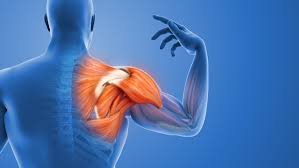
- Shoulder and neck pain from altered posture during pregnancy and childcare
The Psychological Benefits of Physiotherapy During Pregnancy
Pregnancy is not only physically demanding but also mentally and emotionally challenging. Physiotherapy has psychological advantages, such as:
- Increased confidence in physical abilities
- Reduced anxiety about labor and recovery
- Better sleep quality due to reduced pain and discomfort
- Improved body awareness and self-care habits
By promoting holistic wellness, physiotherapy empowers women to approach pregnancy and motherhood with greater resilience and positivity.
Practical Exercises You Can Do at Home
With guidance from a physiotherapist, pregnant and postpartum women can safely practice these exercises:
- Pelvic Tilts
- Lie on your back with knees bent
- Flatten your lower back against the floor by tilting your pelvis
- Hold for 5 seconds, repeat 10–15 times
- Cat-Cow Stretch
- On hands and knees, alternate arching and rounding the spine
- Improves spinal mobility and relieves back tension
- Wall Sits
- Stand with back against a wall, knees bent slightly
- Hold for 10–20 seconds to strengthen quads and glutes
- Side-Lying Leg Lifts
- Lie on one side, lift the top leg slowly
- Strengthens hip abductors for pelvic stability
- Seated Shoulder Blade Squeezes
- Sit upright, pull shoulder blades together gently
- Strengthens upper back and improves posture.
Conclusion
Pregnancy is a beautiful but physically demanding journey. Physiotherapy, tailored to prenatal and postnatal needs, offers a transformative approach to managing pain, enhancing mobility, strengthening core and pelvic muscles, and preparing the body for labor and recovery.
From alleviating back pain to improving posture, restoring core strength, and empowering women psychologically, physiotherapy supports mothers-to-be in living healthier, more comfortable pregnancies and postnatal lives.
By integrating pregnancy physiotherapy into prenatal and postpartum care, women gain the tools, knowledge, and confidence to navigate motherhood with strength, resilience, and empowerment.
Investing in physiotherapy during and after pregnancy is not just about managing discomfort—it’s about enhancing quality of life, supporting long-term health, and embracing motherhood fully prepared and empowered .