
Overview
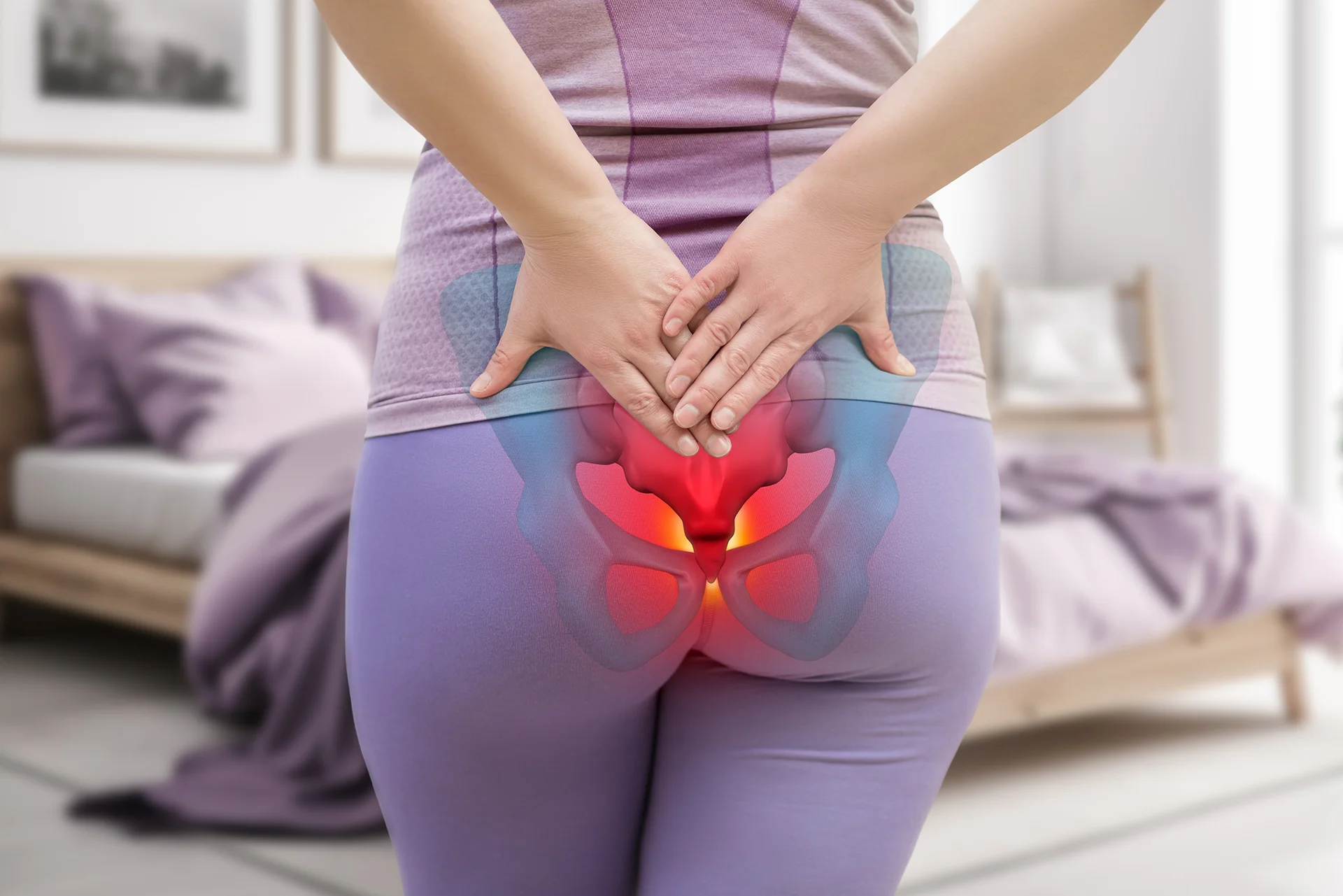
Coccydynia, more commonly known as tailbone pain, is a condition that often goes unnoticed or dismissed due to its seemingly minor location. However, for those affected, it can be both persistent and profoundly disruptive. The condition involves discomfort or pain localized at the coccyx, the small, triangular bone situated at the very base of the spine, nestled between the buttocks just above the anus. Though small in size, the coccyx plays a vital role as it acts as a connecting point for various muscles, ligaments, and tendons that assist in pelvic and lower limb function.
People suffering from coccydynia often report sharp, aching, or even stabbing sensations, especially when sitting down or transitioning from a seated to a standing position. Prolonged sitting on hard surfaces can intensify the discomfort, making everyday tasks like working at a desk, driving, or even resting exceptionally uncomfortable. In more severe cases, the pain can also interfere with bowel movements, sexual activity, and general quality of life.
The name “coccyx” is derived from the Greek word for “cuckoo,” inspired by the bone’s beak-like appearance. This small bony structure usually consists of three to five vertebrae, either partially or fully fused. Despite its structural simplicity, the coccyx is a key component in maintaining upright posture and balance during sitting.
Coccydynia can result from a variety of causes. In many cases, it follows a direct trauma—such as a backward fall onto a hard surface—that bruises or dislocates the coccyx. It can also arise from repeated stress linked to activities that involve extended periods of sitting or maintaining poor posture. In women, childbirth is a significant risk factor, especially when the delivery places stress on the coccygeal region. Occasionally, the condition arises without any clear trigger, known as idiopathic coccydynia.
At DMPhysios, a premier physiotherapy clinic based in Noida that specializes in spine and sports-related conditions, we recognize the profound impact coccydynia can have on daily living. Our approach focuses on individualized, patient-centered rehabilitation, aiming not just to reduce pain but also to restore function and prevent recurrence. With a blend of advanced physiotherapy techniques and compassionate care, DMPhysios is committed to helping you return to a pain-free, active lifestyle.
Symptoms
The symptoms of coccydynia are quite distinct and often chronic if left untreated. Common manifestations include:
- Localized pain at the tailbone area
- Pain that worsens with prolonged sitting
- Discomfort when transitioning from sitting to standing
- Pain during bowel movements or sexual intercourse in some cases
- Tenderness when pressure is applied to the coccyx
- Radiating pain into the lower back or buttocks
At DMPhysios, we conduct thorough clinical evaluations to rule out other spinal conditions and accurately diagnose coccydynia, ensuring effective and targeted treatment.
Types of Coccydynia
Though coccydynia is typically categorized based on its cause or origin, it can be classified into the following types:
1. Traumatic Coccydynia
It results from direct trauma, such as a fall, childbirth, or an injury sustained during athletic activities.
2. Non-Traumatic Coccydynia
Develops due to poor posture, prolonged sitting, or repetitive strain without a specific injury.
3. Idiopathic Coccydynia
Pain arises without any identifiable cause, often chronic and requiring comprehensive assessment.
Causes
Understanding the underlying cause of coccydynia is essential for creating an appropriate management plan. The most common causes include:
- Direct trauma from falling backward
- Ongoing pressure or repetitive strain on the coccyx from extended periods of sitting can contribute to its development
- Childbirth-related injuries
- Degenerative joint changes
- Obesity placing excess pressure on the tailbone
- Infections or tumors (rare)
- Poor posture, especially while sitting
Each of these causes can impact the alignment or flexibility of the coccyx, contributing to persistent inflammation and pain. At DMPhysios, we use advanced diagnostic techniques to determine the root cause and offer individualized rehabilitation plans.
Risk Factors
Several risk factors can increase the likelihood of developing coccydynia:
- Female gender – Women are more prone due to pelvic structure and childbirth
- Obesity – Increases pressure on the coccyx
- Sedentary lifestyle – Prolonged sitting leads to chronic stress on the coccyx
- Occupations requiring long sitting hours
- History of trauma to the lower spine
- Poor sitting posture
Knowing these risk factors enables early intervention, especially when managed under expert supervision like that offered at DMPhysios in Noida.
Treatments
Coccydynia management typically includes a blend of conservative treatments and, when necessary, interventional approaches. The goal is to reduce pain, restore function, and prevent recurrence.
1. Medication
- NSAIDs (e.g., ibuprofen) for pain and inflammation
- Local anesthetic injections or corticosteroids in severe cases
2. Coccygeal Cushions
- Specially designed wedge or donut cushions to reduce pressure while sitting
3. Manual Manipulation
- Mobilization or adjustment of the coccyx by a trained professional
4. Nerve Blocks
- Used in chronic cases to desensitize the coccygeal nerve
5. Surgical Intervention
- Coccygectomy (removal of the coccyx) as a last resort
However, conservative care remains the first line of management, especially under the expert guidance of physiotherapists at DMPhysios.
Physiotherapy Treatment for Coccydynia
Physiotherapy is crucial in the management of coccydynia, targeting the muscular imbalances, posture issues, and soft tissue restrictions that exacerbate the condition. At DMPhysios, our patient-centered rehab programs are tailored to suit individual needs, offering the most effective and safest treatment modalities.
1. Pain Relief Techniques
- Cryotherapy/Heat Therapy: Helps in managing acute and chronic pain
- Accelerated Healing Therapy: As the name suggests, it is an advanced electrotherapy machine used to accelerate the healing process of the body, further soothing and relaxing the compressed and stretched structures of the body.
2. Soft Tissue Mobilization
- Myofascial release to address tight gluteal and pelvic floor muscles
- Trigger point therapy for referred pain
3. Pelvic Floor Therapy
Since many pelvic floor muscles attach to the coccyx, any tightness or dysfunction here can worsen coccydynia. Our trained pelvic health specialists at DMPhysios focus on:
- Internal and external pelvic floor release
- Strengthening weak pelvic structures
- Breathing and coordination training
4. Posture Correction
Proper sitting posture significantly reduces stress on the coccyx. We train patients in:
- Ergonomic sitting positions
- Core engagement while sitting
- Use of lumbar and coccygeal supports
5. Stretching and Strengthening
Customized programs focusing on:
- Gluteal and hamstring flexibility
- Core strengthening, especially transversus abdominis
- Hip mobility exercises
6. Movement Re-education
Gradual reintroduction of functional movements like sitting, standing, and bending without pain. Techniques include:
- Muscle activation patterns
- Functional movement retraining
- Gait correction
At DMPhysios, every rehabilitation plan is evidence-based and guided by our experienced physiotherapists, ensuring faster recovery and long-term relief from coccydynia.
Prevention of Coccydynia
Although coccydynia can’t always be prevented, adopting certain measures can significantly lower the risk of developing this painful condition:
- Avoid prolonged sitting, especially on hard surfaces
- Use coccyx cushions when necessary
- Maintain proper posture during work and relaxation
- Stay active to prevent stiffness and muscle imbalances
- Strengthen core and pelvic muscles regularly
- Take frequent breaks if your job involves long hours of sitting
Preventive physiotherapy, such as that offered at DMPhysios, can be instrumental in promoting spinal health and avoiding future complications related to coccydynia.
Frequently Asked Questions
Conclusion
Coccydynia, though seemingly minor, can significantly affect quality of life when left untreated. It is essential to seek timely medical and physiotherapeutic care to manage symptoms, correct underlying dysfunctions, and prevent recurrence. With expert support from DMPhysios, a renowned clinic in Noida specializing in spine and sports conditions, individuals suffering from coccydynia can experience meaningful, lasting relief through personalized, patient-centered rehabilitation programs.
Whether your coccydynia stems from an old injury, poor posture, or an unknown cause, DMPhysios is here to help. Our evidence-based treatments and compassionate approach ensure you regain comfort, confidence, and mobility.
Let DMPhysios help you sit without pain, move freely, and live a healthier life. Book your consultation today and begin your journey to recovery.