
Overview
Bells palsy is a sudden and often alarming condition characterized by temporary weakness or complete paralysis of the facial muscles, typically affecting only one side of the face. This neurological disorder arises due to inflammation, compression, or damage to the seventh cranial nerve—commonly known as the facial nerve—which is responsible for controlling a wide range of facial functions.
These include movements related to facial expressions (such as smiling, blinking, or frowning), the production of tears and saliva, and even the transmission of taste sensations from the front part of the tongue.
The onset of Bells palsy is usually abrupt—many individuals report waking up to find one side of their face drooping or experiencing sudden difficulty in moving facial muscles. This can lead to an asymmetrical smile, inability to close one eye, drooling, or a flattened appearance of the affected side, causing distress not only physically but emotionally as well.
While the condition is not life-threatening, the visible facial asymmetry and sudden loss of control can be deeply unsettling, leading to anxiety, lowered self-esteem, and social withdrawal in some cases.
Though Bells palsy can occur at any age, it most commonly affects individuals between 15 and 60 years old. Men and women are equally susceptible, and in many cases, no clear underlying cause is identified, which classifies it as an idiopathic condition.
At DMPhysios, a highly regarded physiotherapy and rehabilitation clinic located in Noida, our multidisciplinary team specializes in the treatment of spine and sports-related neurological conditions, including Bell’s palsy. We understand the profound impact this condition can have on daily life, from facial aesthetics to basic functions like eating, speaking, and blinking.
That’s why our experts at DMPhysios are committed to providing individualized, patient-centered rehabilitation programs that focus not only on restoring facial mobility and function but also on supporting emotional well-being during recovery. Through advanced physiotherapeutic techniques, neuromuscular re-education, and hands-on care, we aim to facilitate faster and fuller recovery for each patient, ensuring a comprehensive healing journey tailored to their unique needs.
Symptoms of Bell’s Palsy
The hallmark symptom of Bell’s palsy is the sudden onset of facial paralysis or weakness. This typically affects one side of the face but, in extremely rare cases, can affect both sides (known as bilateral Bells palsy or multiple Bells palsy episodes over time). Common symptoms include:
- Sudden weakness or paralysis on one side of the face
- Drooping of the mouth or eyelid
- Inability to close the eye on the affected side
- Loss of nasolabial fold (the fold between the nose and corner of the mouth)
- Difficulty with facial expressions such as smiling or frowning
- Excessive tearing or dry eye
- Drooling
- Decreased sense of taste
- Increased sensitivity to sound (hyperacusis)
- Headache or jaw pain near the ear
In patients with multiple Bells palsy episodes, these symptoms may reoccur on the same or opposite side, posing additional challenges in treatment and recovery.
Types of Bell’s Palsy
While Bell’s palsy is primarily considered a single clinical condition, it can be categorized based on its occurrence:
- Primary Bells Palsy: The first occurrence of facial paralysis, usually idiopathic and not linked to any underlying disease.
- Recurrent or Multiple Bells Palsy: When a person experiences more than one episode of facial paralysis. These cases are rarer and may suggest a more complex or systemic underlying issue.
Recurrent Bell’s palsy requires detailed evaluation, especially if the episodes happen frequently or bilaterally, to rule out conditions like Lyme disease, sarcoidosis, or tumors.
Causes of Bell’s Palsy
The exact cause of Bell’s palsy remains unknown, but it is widely believed to occur due to inflammation or compression of the facial nerve, potentially triggered by viral infections. Suspected viral causes include:
- Herpes Simplex Virus (HSV-1) – the most common virus linked to Bell’s palsy
- Varicella-zoster virus (shingles)
- Epstein-Barr virus (EBV)
- Cytomegalovirus (CMV)
- Influenza B virus
- Adenovirus
In recurrent or multiple episodes of Bells palsy, the cause may involve immune system dysfunction, structural abnormalities, or chronic infection.
Risk Factors for Bell’s Palsy
Several risk factors increase the likelihood of developing Bell’s palsy, including:
- Pregnancy, especially during the third trimester
- Diabetes mellitus
- Hypertension
- Upper respiratory tract infections
- Obesity
- Family history of Bell’s palsy
- Previous episode of Bell’s palsy (increased risk of recurrence)
- Lyme disease, especially in endemic areas
- Autoimmune conditions
At DMPhysios, patients presenting with multiple Bell’s palsy episodes undergo thorough screening to identify any systemic contributors and ensure a targeted treatment approach.
Treatment
Treatment for Bells palsy focuses on reducing inflammation, improving nerve function, and preserving facial muscle mobility. Most people recover fully within three to six months, particularly with early intervention.
1. Medical Management
- Corticosteroids: Prednisone is commonly prescribed within 72 hours of symptom onset to reduce nerve inflammation.
- Antiviral medications: Often prescribed alongside steroids if a viral cause is suspected, though evidence for their effectiveness is mixed.
- Eye care: Since patients may struggle to close the affected eye, lubricating eye drops, ointments, and eye patches are recommended to prevent corneal damage.
- Analgesics: Over-the-counter pain relievers help manage associated jaw or ear pain.
Patients with recurrent or multiple Bells palsy may require more comprehensive investigations and potentially longer courses of treatment.
Physiotherapy Treatment
Physiotherapy plays a crucial role in the recovery of Bells palsy, especially in cases of multiple or prolonged episodes, where muscle weakness, synkinesis (involuntary facial movements), and asymmetry may persist even after medical treatment.
At DMPhysios, we implement a patient-centered rehabilitation approach tailored to the specific phase and severity of Bell’s palsy.
1. Initial Phase (0–2 weeks)
Goals: Prevent muscle atrophy, maintain circulation, reduce inflammation
- Gentle facial massage: Helps reduce swelling and improve lymphatic drainage.
- Positioning: Patients are taught to sleep on the non-affected side to reduce compression.
- Eye protection techniques: Education on eyelid closure, use of tape at night, and guided blinking exercises.
2. Recovery Phase (2–8 weeks)
Goals: Re-educate facial muscles, enhance symmetry, prevent abnormal movement patterns
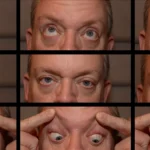
- Facial Exercises:
- Eyebrow raises
- Gentle smiling and frowning
- Nose wrinkling
- Puckering lips and blowing air
- Closing the eye tightly and relaxing
- Proprioceptive Neuromuscular Facilitation (PNF): Stimulates the facial nerve through resistance-based exercises.
- Biofeedback Therapy: Using visual or auditory feedback to retrain facial muscles for symmetrical movement.
- Neuromuscular Electrical Stimulation (NMES): Carefully used to stimulate weakened muscles, though with caution to prevent abnormal synkinesis.
3. Chronic Phase (8 weeks and beyond)
Goals: Address residual weakness, manage synkinesis, enhance coordination
- Facial Yoga and Mirror Therapy: Encourages correct muscle activation with visual guidance.
- Manual Therapy: Focused on the temporomandibular joint (TMJ) and neck muscles which often compensate during facial weakness.
- Myofascial Release: Reduces tension in hypertonic muscles due to compensatory overuse.
- Dry Needling or Taping Techniques: For chronic muscular imbalances in selected cases.
At DMPhysios, every physiotherapy plan for Bell’s palsy is uniquely designed. We emphasize close patient monitoring and integrate psychosocial support due to the visible and emotional impact of the condition.
Prevention of Bell’s Palsy
Although Bells palsy cannot always be prevented, especially in idiopathic cases, certain lifestyle changes can reduce the risk or frequency of multiple episodes:
- Manage chronic conditions: Keeping blood pressure and blood sugar levels in check reduces risk.
- Boost immunity: A strong immune system helps resist viral infections linked to Bell’s palsy.
- Stress management: Chronic stress may compromise immunity and increase vulnerability.
- Proper cold exposure: Avoid sleeping in drafts or under air conditioning directly on the face.
- Regular physiotherapy follow-up: Especially important in recurrent cases to prevent long-term complications.
At DMPhysios, we emphasize preventive care and patient education as essential parts of long-term rehabilitation for those with a history of multiple Bells palsy episodes.
Conclusion
Bell’s palsy can be a frightening and emotionally distressing condition, especially when it strikes suddenly or recurs multiple times. However, with timely intervention, proper diagnosis, and a structured rehabilitation plan, the majority of patients recover well.
The importance of early physiotherapy intervention cannot be overstated—whether it’s the first occurrence or a recurrent episode. If you or a loved one are dealing with facial weakness or have experienced multiple Bells palsy episodes, don’t delay in seeking care.
At DMPhysios, located in Noida, we specialize in spine and sports conditions and provide patient-centered rehab programs for neurological issues like Bell’s palsy. Our dedicated team of experts designs personalized, evidence-based treatments to ensure the best outcomes for every patient.
If you’re experiencing facial weakness or have had more than one episode of Bell’s palsy, don’t wait for it to resolve on its own. Reach out to the compassionate and experienced team at DMPhysios—Noida’s trusted clinic for spine and sports conditions. Our tailored rehabilitation plans are designed to restore your facial function, rebuild your confidence, and improve your quality of life.
Book your consultation with DMPhysios today. Your recovery is our priority.