Overview
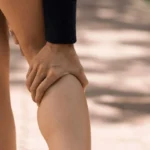
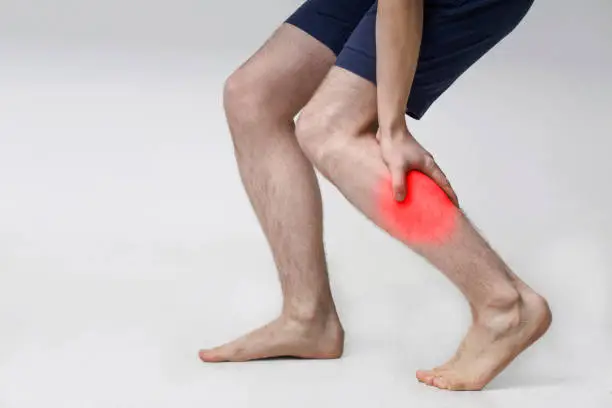
A calf strain is one of the most frequently encountered musculoskeletal injuries, particularly among individuals who engage in regular physical activity, sports, or demanding occupations. It occurs when one or more of the muscles located at the back of the lower leg are overstretched, overloaded, or torn due to sudden or excessive force.
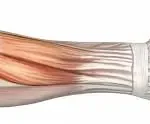
The calf region is composed primarily of two significant muscles: the gastrocnemius, which is more superficial and spans both the knee and ankle joints, and the soleus, which lies deeper and primarily affects ankle movement. These two muscles converge into a single structure known as the Achilles tendon, which inserts into the heel bone and plays a vital role in walking, running, and jumping.
When these muscles are subjected to stress beyond their capacity—whether through a forceful sprint, abrupt direction change, or inadequate warm-up—they may suffer varying degrees of injury. A calf strain can range in severity from a mild overstretch with microscopic muscle fiber damage (Grade 1) to a partial tear (Grade 2), or even a complete rupture of the muscle or tendon unit (Grade 3). The intensity of symptoms typically correlates with the extent of tissue damage and dictates the necessary level of care and rehabilitation.
At DMPhysios, a leading physiotherapy and rehabilitation clinic located in Noida, we specialize in the assessment and treatment of spine and sports-related conditions, including calf strain. Our clinical team frequently manages cases involving recreational athletes, competitive sportspeople, fitness enthusiasts, and even sedentary individuals who experience calf strain due to poor posture or biomechanical imbalances. We understand that a calf strain not only limits functional mobility and physical performance but can also become a recurrent and chronic issue if not addressed with a comprehensive rehabilitation approach.
Left untreated or inadequately managed, a calf strain may result in long-term muscular weakness, compensatory movement patterns, increased risk of re-injury, and persistent discomfort. That’s why, at DMPhysios, our treatment model focuses on not only symptom relief but also identifying and correcting the underlying factors that contribute to the injury. Our goal is to help patients recover fully, return to their activities confidently, and minimize the likelihood of future strain.
Whether you’re an athlete returning to sport or someone who experiences discomfort during routine walking, understanding the nature of calf strain is the first step toward proper healing. This article explores the symptoms, types, causes, risk factors, treatment options, and comprehensive physiotherapy strategies designed to help you recover effectively—just as we do for our patients at DMPhysios.
Symptoms of Calf Strain
Recognizing the symptoms of a calf strain early is crucial for timely intervention and effective rehabilitation. Common signs include:
- Sudden sharp pain in the calf region during activity
- Swelling or bruising in the lower leg
- A sudden pop or snap felt when the injury occurs
- Tenderness upon touching the affected area
- Trouble walking, running, or pushing off with the foot
- Stiffness, especially after rest or waking up
Mild calf strains might only cause slight discomfort and tightness, while severe strains can make it nearly impossible to walk without pain.
Types of Calf Strain
Calf strains are categorized into three grades, depending on the extent of muscle fiber damage:
Grade 1 – Mild
- Microscopic tears or stretching of muscle fibers
- Minor pain and tightness
- Minimal loss of strength or function
- Recovery within 1-2 weeks with proper care
Grade 2 – Moderate
- Partial tearing of muscle fibers
- Noticeable pain, swelling, and bruising
- Difficulty walking or bearing weight
- Recovery may take 3-6 weeks
Grade 3 – Severe
- Complete tear or rupture of the muscle
- Severe pain and significant loss of function
- Visible dent or gap in the muscle
- Surgical intervention may be required
- Rehabilitation can take several months
At DMPhysios, our team conducts a thorough clinical assessment to identify the grade of calf strain and tailor the rehabilitation program accordingly.
Causes of Calf Strain
A calf strain can result from various mechanisms, often involving sudden or excessive stress on the calf muscles. Common causes include:
- Explosive acceleration while sprinting or jumping
- Sudden changes in direction during sports
- Inadequate warm-up or poor flexibility
- Overtraining or muscle fatigue
- Previous history of calf or lower limb injuries
- Improper footwear or running technique
Sports like football, tennis, basketball, and long-distance running pose a higher risk due to the intense calf muscle activation required.
Risk Factors
Several factors can increase the likelihood of sustaining a calf strain:
- Age: Individuals over 40 are more prone due to muscle elasticity loss.
- Tight calf muscles: Reduced flexibility increases strain risk.
- Weak core or gluteal muscles: Poor biomechanics can overload the calf.
- Previous injuries: Scar tissue or incomplete recovery raises recurrence chances.
- Sudden increase in training intensity: The “too much too soon” approach is a common culprit.
- Poor conditioning: Lack of strength and endurance in the calf muscles predisposes them to injury.
At DMPhysios, we emphasize pre-screening and functional movement analysis to detect these risk factors before they lead to injury.
Treatment of Calf Strain
The initial phase of calf strain management focuses on reducing pain, swelling, and preventing further damage. Treatment includes:
1. R.I.C.E Protocol (first 48–72 hours)
- Rest: Avoid activities that strain the calf.
- Ice: Use cold packs for 15–20 minutes at a time, several times throughout the day.
- Compression: Use an elastic bandage to minimize swelling.
- Elevation: Raise the leg above the level of the heart to help reduce swelling.
2. Medication
- Over-the-counter NSAIDs (e.g., ibuprofen) may help manage pain and inflammation.
- Consult a medical professional before prolonged use.
3. Medical Evaluation
- Ultrasound or MRI may be needed for Grade 2 and Grade 3 strains.
- Severe strains may require orthopedic or surgical consultation.
While these steps address acute symptoms, complete recovery and return to sport depend heavily on physiotherapy, which forms the cornerstone of long-term healing.
Physiotherapy Treatment at DMPhysios
At DMPhysios, located in Noida and known for providing patient-centered rehabilitation, our approach to treating calf strain is holistic, personalized, and evidence-based. The physiotherapy process typically follows these stages:
1. Acute Phase (Day 1–5)
Goals:
- Control pain and swelling
- Promote tissue healing
- Maintain mobility without stressing the injured muscle
Interventions:
- Cryotherapy (cold therapy)
- Gentle passive range of motion (ROM) exercises
- Soft tissue massage (away from injury site)
- Taping or calf support braces if needed
- Use of crutches in severe cases
2. Sub-Acute Phase (Day 5–14)
Goals:
- Restore range of motion
- Begin light strengthening
- Improve circulation and neuromuscular control
Interventions:
- Active-assisted ROM
- Isometric calf contractions
- Dry needling or myofascial release techniques
- Stationary cycling or pool therapy for cardiovascular maintenance
- Gentle stretching of the hamstrings and soleus
3. Strengthening Phase (Week 2–4+)
Goals:
- Rebuild muscle strength and endurance
- Correct muscular imbalances
- Begin functional retraining
Interventions:
- Theraband resisted plantarflexion
- Calf raises (double leg to single leg progression)
- Eccentric calf exercises (e.g., heel drop off step)
- Proprioceptive training on wobble board or balance pad
- Glute and core strengthening (to support lower limb biomechanics)
4. Functional & Return-to-Play Phase
Goals:
- Restore full muscle power and agility
- Prevent recurrence
- Return safely to sport or daily activity
Interventions:
- Plyometric drills (hops, skips)
- Sport-specific movement patterns (sprints, cutting drills)
- Agility ladders, resisted sprints
- Biomechanical gait and run retraining
Every patient at DMPhysios receives a tailored home exercise program along with in-clinic sessions, ensuring consistency and long-term benefits.
Prevention of Calf Strain
Preventing a calf strain is far more efficient than treating one. Key preventive strategies include:
- Proper Warm-up: Engage in dynamic stretching and mobility drills before activity.
- Regular Strength Training: Include calf raises, hamstring curls, and compound lower limb exercises.
- Flexibility Work: Stretch the calf muscles regularly, especially after workouts.
- Gradual Progression: Increase training intensity, volume, and duration incrementally.
- Appropriate Footwear: Use shoes that match your foot type and provide adequate support.
- Correct Technique: Avoid overstriding or poor landing mechanics in running and jumping.
- Cross Training: Alternate high-impact activities with low-impact exercises like swimming or cycling.
The physiotherapists at DMPhysios provide detailed education and customized injury prevention plans to ensure patients stay active and pain-free.
Conclusion
A calf strain may appear to be a minor setback, but without appropriate care and rehabilitation, it can significantly impact one’s mobility, athletic performance, and quality of life. From early intervention to progressive physiotherapy and long-term prevention strategies, managing calf strain demands a structured and expert-led approach.
DMPhysios, located in Noida, stands out as a dedicated clinic for spine and sports injuries, offering personalized rehabilitation plans that target not just the symptoms but also the root cause of your injury. Our patient-centric philosophy ensures that each individual receives the time, attention, and care needed for full recovery.If you’re experiencing symptoms of a calf strain or dealing with recurring lower leg injuries, don’t wait. Book an appointment with DMPhysios today and begin your journey toward lasting recovery and enhanced performance.