Overview
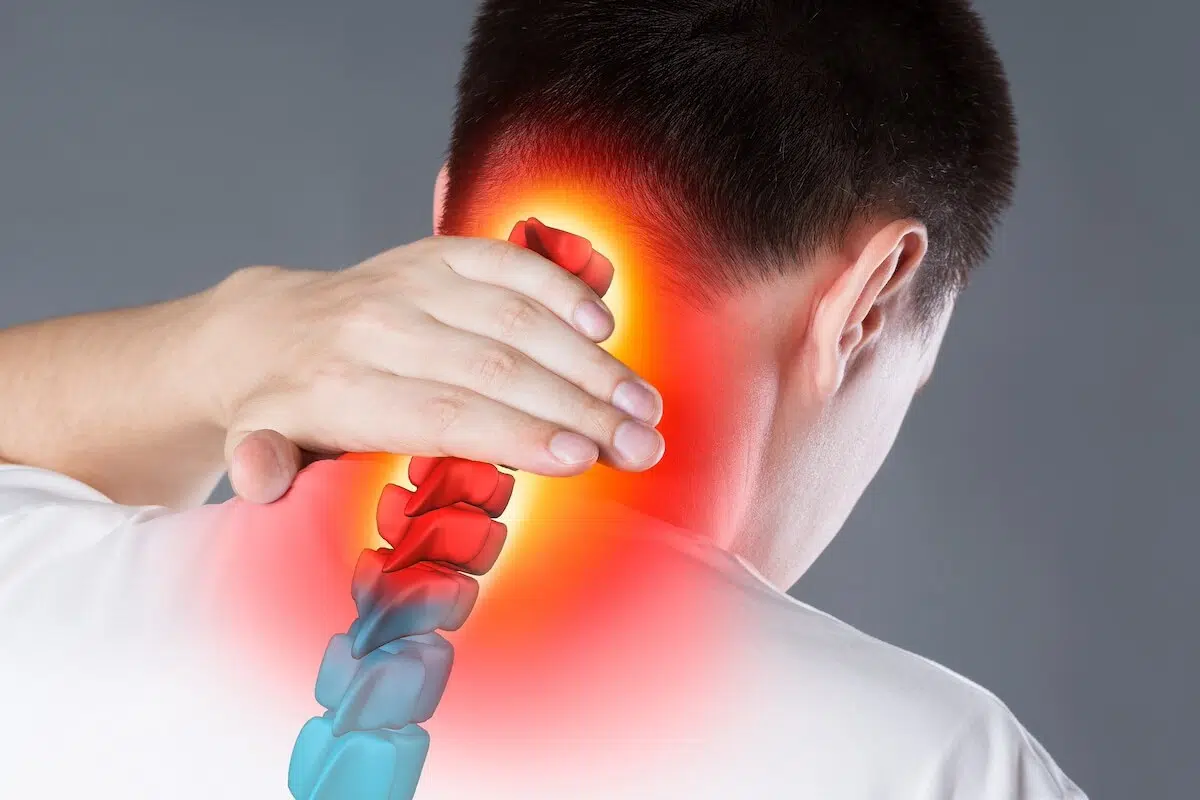
Cervical rheumatoid arthritis is one of the more severe and potentially disabling manifestations of rheumatoid arthritis, specifically targeting the cervical spine, the delicate yet vital series of joints, vertebrae, and soft tissues that form the neck region. Although rheumatoid arthritis is widely recognised for its impact on peripheral joints such as the hands, wrists, and knees, the cervical spine is not immune to its effects.
When rheumatoid inflammation extends to this region, it can trigger a cascade of pain, instability, and, in advanced cases, neurological compromise. This cervical involvement reflects an inflammatory, autoimmune-driven process that progressively destroys the synovial joints between the vertebrae, altering the normal biomechanics of the neck.
In cervical rheumatoid arthritis, the body’s own immune system mistakenly attacks the synovial lining of the cervical spine. This ongoing immune assault sets off chronic inflammation, the formation of pannus tissue, and a gradual erosion of the cartilage and bone that provide stability and smooth movement in the neck.
Over time, these destructive changes can weaken ligaments, loosen joints, and create instability that risks spinal cord compression. Without timely treatment, the condition may evolve into severe, unrelenting neck pain, marked restriction of movement, spinal deformity, and even life-threatening neurological deficits such as weakness, numbness, or impaired balance.
At DMPhysios, a premier clinic located in Noida and specialising in spine and sports conditions with patient-centred rehabilitation, cervical rheumatoid arthritis is treated as a priority diagnosis. The team recognises that early identification, multidisciplinary coordination, and carefully tailored physiotherapy programs are essential not only to relieve pain but also to preserve spinal stability and protect the nervous system. By offering evidence-based interventions and ongoing patient education, DMPhysios helps individuals with cervical rheumatoid arthritis manage their symptoms effectively and maintain a better quality of life.
Symptoms
The symptoms of cervical rheumatoid arthritis often develop gradually but may become progressively severe if the condition is not addressed promptly. Common symptoms include:
- Chronic neck pain and stiffness: Persistent pain in the upper cervical spine, especially around the atlantoaxial joint (C1-C2).
- Reduced range of motion: Difficulty turning the head or bending the neck forward and backward.
- Occipital headaches: Pain radiating from the upper neck into the back of the head, often described as tension-like or sharp.
- Neurological symptoms: Numbness, tingling, or weakness in the arms or legs due to nerve compression.
- Unsteadiness or balance issues: Caused by spinal cord involvement.
- Difficulty swallowing or speaking: In advanced cases where cervical instability affects adjacent structures.
- Fatigue and malaise: Related to systemic inflammation of rheumatoid arthritis.
Recognizing these symptoms early allows clinics like DMPhysios to implement timely and effective rehabilitation strategies tailored to each patient’s needs.
Types of Cervical Rheumatoid Arthritis
Although the term cervical rheumatoid arthritis is used broadly, clinicians classify it into distinct types based on the pattern of joint damage and instability. These include:
- Atlantoaxial Subluxation (AAS)
- Most common manifestation of cervical rheumatoid arthritis.
- Affects the junction between the first cervical vertebra (atlas) and the second (axis).
- Inflammatory erosion weakens the transverse ligament, allowing the atlas to slip forward over the axis.
- Can present as anterior, posterior, or rotational subluxation.
- High risk of spinal cord compression and neurological deficits if untreated.
- Subaxial Subluxation
- Involves the lower cervical vertebrae (C3–C7).
- Inflammation erodes facet joints, interspinous ligaments, and discs at multiple levels.
- Produces a “stair-step” appearance of vertebrae on imaging.
- Leads to multi-level instability, chronic neck pain, and progressive neurological symptoms such as arm weakness or altered sensation.
- Requires careful physiotherapy monitoring and coordinated medical care.
- Basilar Invagination (Cranial Settling)
- Represents the most severe form of cervical rheumatoid arthritis involvement.
- Destruction of bone and ligaments allows the odontoid process (dens) to migrate upward into the foramen magnum at the skull base.
- Compresses the brainstem and upper spinal cord, potentially causing respiratory difficulties, swallowing problems, or severe neurological impairment.
- Often coexists with atlantoaxial subluxation and signals advanced disease requiring urgent multidisciplinary evaluation.
Understanding these types helps guide both medical and physiotherapy management. At DMPhysios, recognising whether a patient has atlantoaxial subluxation, subaxial subluxation, or basilar invagination allows therapists to design neck-stabilising exercise programs, postural modifications, and patient education plans that protect vulnerable cervical structures.
Causes
The primary cause of cervical rheumatoid arthritis is the underlying autoimmune disorder, rheumatoid arthritis. However, several pathophysiological mechanisms explain how the cervical spine becomes involved:
- Autoimmune inflammation: Chronic activation of the immune system damages synovial joints in the cervical spine.
- Pannus formation: The inflammatory tissue erodes cartilage and bone, weakening the structural integrity of cervical vertebrae.
- Ligament laxity: Inflammation of ligaments, especially the transverse ligament of the atlas, leads to instability.
- Delayed treatment of rheumatoid arthritis: Poor control of systemic RA accelerates cervical involvement.
By the time cervical rheumatoid arthritis is diagnosed, many patients have already lived with rheumatoid arthritis for several years. This underscores the importance of early screening and referral to specialists such as those at DMPhysios for neck-related symptoms in RA patients.
Risk Factors
Not all individuals with rheumatoid arthritis develop cervical involvement. Certain risk factors increase susceptibility to cervical rheumatoid arthritis:
- Long-standing rheumatoid arthritis (usually >10 years).
- High disease activity and elevated inflammatory markers.
- Female sex (rheumatoid arthritis is more common in women).
- Presence of rheumatoid nodules or extra-articular manifestations.
- Poor response to disease-modifying antirheumatic drugs (DMARDs).
- Smoking and other lifestyle factors that worsen systemic inflammation.
Understanding these risk factors enables clinics like DMPhysios to identify high-risk individuals and initiate preventive or early rehabilitation strategies for cervical rheumatoid arthritis.
Treatment
The management of cervical rheumatoid arthritis requires a multidisciplinary approach involving rheumatologists, orthopedic or spine surgeons, and physiotherapists. Treatment goals include reducing inflammation, preserving spinal stability, alleviating pain, and preventing neurological complications.
1. Medical Management:
- Disease-Modifying Antirheumatic Drugs (DMARDs): Methotrexate, sulfasalazine, leflunomide, and biologics help control systemic inflammation.
- Corticosteroids: Short-term use to manage flare-ups.
- Analgesics and NSAIDs: For symptomatic pain relief.
2. Surgical Intervention:
In severe cases of instability or neurological compromise, surgical stabilization may be required. Procedures like posterior cervical fusion or decompression can prevent further spinal cord injury.
3. Lifestyle Modifications:
Ergonomic adjustments, smoking cessation, and regular low-impact exercise can help reduce disease progression.
Physiotherapy Treatment
At the heart of patient-centered care for cervical rheumatoid arthritis lies physiotherapy. DMPhysios, located in Noida, specializes in spine and sports conditions and delivers evidence-based, individualized rehabilitation programs for patients with cervical rheumatoid arthritis.
Goals of Physiotherapy:
- Alleviate neck pain and stiffness.
- Maintain or improve cervical spine mobility without compromising stability.
- Enhance postural alignment and reduce strain on cervical structures.
- Prevent or slow down progression of deformity.
- Improve overall function and quality of life.
Components of Physiotherapy at DMPhysios:
- Comprehensive Assessment:
Every patient undergoes a detailed evaluation, including pain mapping, range-of-motion testing, neurological screening, and postural analysis. This enables physiotherapists at DMPhysios to design a customized plan for cervical rheumatoid arthritis management. - Pain Relief Modalities:
- Superficial heat or cold packs to reduce muscle spasm.
- Accelerated Healing Therapy
- Gentle massage techniques to reduce tension.
- Cervical Stabilization Exercises:
- Isometric neck exercises to strengthen deep cervical flexors.
- Scapular stabilizing exercises to support the neck.
- Gentle range-of-motion exercises performed within pain-free limits.
- Posture Education:
Patients are taught correct sitting, sleeping, and working postures to minimize stress on cervical joints. Ergonomic advice for desk workers and homemakers is also provided. - Bracing or Support:
In cases of significant instability, soft cervical collars may be recommended temporarily to support the neck during acute flare-ups. - Functional Training:
Focus on restoring the ability to perform daily activities safely. This includes neck-friendly movement strategies for household chores, driving, and recreational activities. - Patient Education & Self-Management:
DMPhysios emphasizes patient empowerment, educating individuals about cervical rheumatoid arthritis, its progression, and home exercise programs tailored to their condition.
Through consistent physiotherapy sessions at DMPhysios, many patients experience reduced pain, improved neck stability, and enhanced confidence in managing cervical rheumatoid arthritis.
Prevention
Although not all cases can be prevented, early intervention and proactive management of rheumatoid arthritis can significantly reduce the risk or severity of cervical involvement. Preventive measures include:
- Early diagnosis and aggressive treatment of systemic rheumatoid arthritis with DMARDs.
- Regular follow-up with rheumatologists and spine specialists.
- Adopting anti-inflammatory lifestyles (healthy diet, stress reduction, smoking cessation).
- Incorporating low-impact exercises such as swimming, walking, or yoga under professional guidance.
- Seeking prompt physiotherapy for neck pain or stiffness to maintain cervical stability.
Patients who take preventive steps and partner with rehabilitation specialists like DMPhysios stand the best chance of minimizing complications related to cervical rheumatoid arthritis.
Conclusion
Cervical rheumatoid arthritis is a potentially serious but manageable condition affecting the neck region in patients with rheumatoid arthritis. Left untreated, it can lead to debilitating pain, neurological symptoms, and even life-threatening complications due to spinal cord compression. Early diagnosis, multidisciplinary care, and a strong focus on rehabilitation are essential for maintaining quality of life.
At DMPhysios, a premier clinic in Noida for spine and sports conditions offering patient-centered rehabilitation, individuals with cervical rheumatoid arthritis receive holistic care tailored to their specific needs. Through a combination of medical management, personalized physiotherapy, and education, patients can regain control over their condition and prevent long-term complications.
If you or someone you know is experiencing persistent neck pain or has been diagnosed with rheumatoid arthritis, don’t wait for symptoms to worsen. Contact DMPhysios today to schedule a comprehensive assessment and begin your journey toward better neck health and improved quality of life.