Overview
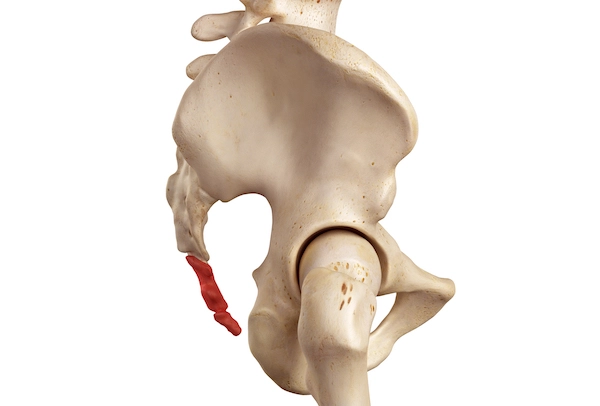
A coccygeal fracture is a break or crack in the coccyx—the small, triangular bone positioned at the very base of the spine, more commonly known as the tailbone. Though often overlooked, the coccyx is a crucial part of the spinal column. It is made up of three to five fused vertebrae and serves as an important anchor point for a network of muscles, ligaments, and tendons, including those of the pelvic floor. These attachments help support the weight of the upper body when sitting and assist in movements such as standing up, walking, and maintaining balance.
Despite its small size, the coccyx plays a pivotal role in stability and posture. Because of its location at the end of the spine, it is particularly vulnerable to injury from direct trauma, sudden falls, childbirth-related stresses, or repetitive strain. A coccygeal fracture can significantly disrupt everyday activities, making simple actions like sitting, bending forward, or transitioning from sitting to standing very uncomfortable or even painful. If left undiagnosed or improperly managed, this condition may progress into chronic tailbone pain, also called coccydynia, which can further limit quality of life.
At DMPhysios, a leading clinic in Noida specializing in spine and sports conditions with a strong emphasis on patient-centered rehabilitation, our team frequently treats individuals recovering from coccygeal fractures. We provide evidence-based assessments and personalized physiotherapy programs designed to reduce pain, restore function, and prevent long-term complications, enabling patients to return to their normal activities with confidence.
Symptoms
The symptoms of a coccygeal fracture vary in severity depending on the extent of the injury but commonly include:
- Localized Pain: Sharp or aching pain at the tailbone, especially when sitting or leaning back.
- Tenderness and Swelling: The area around the coccyx may be tender to touch, with mild swelling or bruising.
- Pain During Movement: Increased pain when transitioning from sitting to standing, climbing stairs, or during bowel movements.
- Radiating Discomfort: In some cases, pain may radiate into the hips, buttocks, or lower back.
- Functional Limitations: Difficulty sitting for long periods, driving, or engaging in sports and activities.
Recognizing these symptoms early can help prevent prolonged discomfort and complications. Clinics like DMPhysios in Noida provide comprehensive assessments to confirm whether a patient’s pain stems from a coccygeal fracture or other causes of tailbone pain.
Types of Coccygeal Fracture
Although the coccyx is a small bone, its fractures can be classified into different patterns:
- Simple (Non-Displaced) Coccygeal Fracture
- The bone cracks but maintains its alignment.
- Often treated conservatively with rest, pain management, and physiotherapy.
- Displaced Coccygeal Fracture
- The fragments shift from their normal position, potentially impinging on nearby soft tissues.
- These cases may take longer to heal and occasionally require surgical input.
- Comminuted Coccygeal Fracture
- The coccyx breaks into multiple pieces due to high-energy trauma.
- Rare but more complex, with increased risk of chronic pain.
Understanding the type of coccygeal fracture allows clinicians at DMPhysios to plan individualized rehabilitation strategies that ensure optimal recovery and long-term function.
Causes
The coccyx may fracture due to a variety of reasons. The most common causes include:
- Falls: Slipping on stairs or icy surfaces and landing directly on the buttocks is the leading cause of coccygeal fracture.
- Childbirth: In rare cases, vaginal delivery can exert enough pressure to cause a fracture in the coccyx.
- Contact Sports: Activities like football, hockey, or martial arts increase the risk of tailbone trauma.
- Direct Trauma: Car accidents or being struck on the lower back can lead to a coccygeal fracture.
- Repetitive Stress: Cycling or rowing for long durations may gradually damage the coccyx, making it more vulnerable to fracture.
By identifying the underlying cause, rehabilitation programs at DMPhysios can be adapted to not only heal the current coccygeal fracture but also prevent recurrence.
Risk Factors
Certain individuals are more prone to developing a coccygeal fracture:
- Gender: Women are more susceptible due to a wider pelvic structure and childbirth-related stresses.
- Age: Elderly individuals may have more fragile bones due to osteoporosis.
- High-Risk Activities: Athletes, dancers, or cyclists face higher repetitive strain on the coccyx.
- Previous Tailbone Injuries: Prior trauma may weaken the area, making it more vulnerable.
- Poor Bone Health: Conditions like osteopenia or vitamin D deficiency increase fracture risk.
Awareness of these risk factors enables early preventive measures, something the team at DMPhysios actively educates patients about during consultations.
Treatment
Most coccygeal fractures heal without surgery, although they may take several weeks to months. The standard treatment approach involves:
- Rest and Activity Modification: Limiting sitting time and avoiding high-impact activities.
- Use of Cushions: Special wedge-shaped or donut cushions relieve pressure on the coccyx during sitting.
- Pain Relief: NSAIDs or other prescribed medications reduce inflammation and pain.
- Ice or Heat Therapy: Ice helps control swelling in the initial stages, while gentle heat may reduce muscle tension later on.
- Bowel Management: High-fiber diets or stool softeners minimize straining during bowel movements, which could worsen pain.
Surgical intervention, such as partial coccygectomy, is rare and reserved for severe or non-healing cases. In nearly all situations, physiotherapy is crucial for regaining mobility and preventing long-term complications.
Physiotherapy Treatment
Physiotherapy is a cornerstone of recovery from a coccygeal fracture, as it not only alleviates pain but also restores function and prevents chronic issues like coccydynia. At DMPhysios, our Noida-based spine and sports clinic, we offer patient-centered rehabilitation tailored to the individual’s type of coccygeal fracture, lifestyle, and goals. Our approach includes:
1. Initial Assessment and Pain Management
- Detailed evaluation of posture, pelvic alignment, and surrounding muscles.
- Application of modalities such as ultrasound, interferential therapy (IFT), or transcutaneous electrical nerve stimulation (TENS) to reduce pain and swelling.
- Instruction on proper sitting posture and ergonomic modifications.
2. Soft Tissue and Joint Mobilization
- Gentle manual therapy to relieve tension in pelvic floor muscles, gluteal muscles, and lower back.
- Mobilization techniques to improve sacrococcygeal joint alignment where appropriate.
3. Progressive Strengthening Exercises
- Core stabilization exercises focusing on the deep abdominal and pelvic floor muscles.
- Gluteal strengthening (bridges, clamshells) to offload stress from the coccyx.
- Gradual progression of hip and lumbar spine mobility to restore normal function.
4. Posture and Functional Training
- Education on maintaining a neutral pelvis during sitting, standing, and walking.
- Retraining functional movements such as transitioning from sit-to-stand without aggravating the coccyx.
- Guidance on safe return to sports or occupational activities.
5. Pain Education and Self-Management
- Teaching patients how to use cushions effectively, adjust seating height, and schedule standing breaks.
- Advice on gradual return to daily activities and monitoring for warning signs of delayed healing.
This comprehensive approach ensures that patients recovering from a coccygeal fracture at DMPhysios receive holistic, evidence-based care with measurable outcomes.
Prevention
While not all coccygeal fractures can be prevented, several strategies reduce the risk:
- Safe Environments: Use non-slip mats, railings, and good lighting to avoid falls at home or workplace.
- Protective Gear: Athletes should wear appropriate padding during high-impact sports.
- Bone Health: Maintain adequate calcium and vitamin D intake, along with weight-bearing exercise to strengthen bones.
- Ergonomics: Use supportive seating with proper cushioning to minimize coccyx strain, especially during prolonged sitting.
- Gradual Training: For cyclists or rowers, gradually increase training loads and incorporate cross-training to reduce repetitive stress.
The physiotherapists at DMPhysios actively counsel patients and athletes on these preventive measures to safeguard their tailbone health and overall spine wellness.
Conclusion
A coccygeal fracture, though involving a small bone, can cause significant pain and functional limitations if left untreated or improperly managed. Early recognition of symptoms, accurate diagnosis, and appropriate rehabilitation are key to a full recovery.
At DMPhysios, a premier clinic in Noida specializing in spine and sports conditions, we provide patient-centered care for individuals dealing with a coccygeal fracture. Our multidisciplinary approach—combining pain relief, physiotherapy, ergonomic advice, and preventive strategies—ensures not only healing but also long-term tailbone health.If you or someone you know is experiencing tailbone pain or has been diagnosed with a coccygeal fracture, don’t wait for it to become a chronic issue. Contact DMPhysios today for a thorough evaluation and a personalized rehabilitation plan that helps you return to your daily activities with confidence and comfort.