Overview
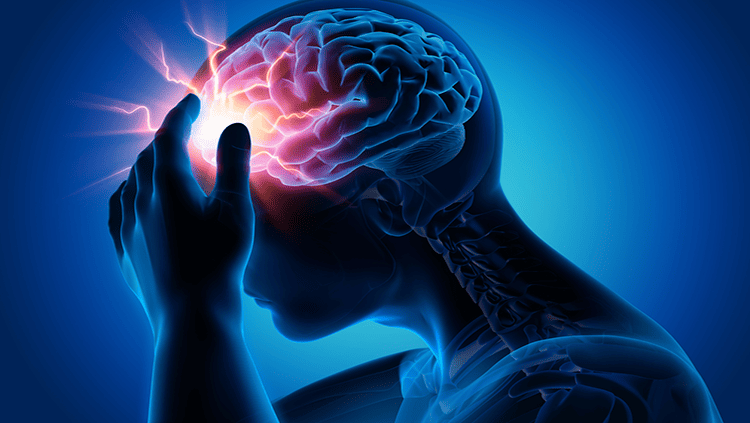
A concussion is a form of mild traumatic brain injury (mTBI) that results in a temporary disruption of normal brain function. Despite being labeled as “mild,” the effects of this can be anything but trivial. This type of injury typically occurs when the brain is subjected to a sudden jolt, impact, or blow that causes it to move rapidly back and forth within the skull.
Such motion can lead to chemical changes in the brain, stretching and damaging brain cells, and disrupting the delicate neural pathways that control critical functions such as cognition, memory, balance, and coordination.
Unlike more severe forms of brain injury, concussions often do not cause structural damage that can be seen on standard imaging like CT scans or MRIs. Instead, the damage is more functional in nature, affecting the brain’s ability to process information, regulate mood, and coordinate movement. This is one reason why concussions can be difficult to diagnose, especially in the absence of visible external injury or loss of consciousness. In fact, many individuals may suffer a concussion and not even realize it until symptoms begin to interfere with daily activities.
Concussions can occur in a wide range of situations, from athletic injuries on the field to seemingly minor falls at home. Common causes include sports-related collisions, automobile accidents, falls from heights, workplace accidents, or sudden whiplash injuries—such as those experienced during a rear-end car crash. In some cases, even a quick, forceful motion of the head without a direct impact can be enough to trigger a concussion. This makes it all the more important for healthcare providers and patients alike to be vigilant about monitoring symptoms following any significant head movement or trauma.
At DMPhysios, a specialized physiotherapy clinic located in Noida, we recognize the critical need for early identification and proactive management of concussions. Our approach to care is rooted in evidence-based practice and individualized rehabilitation strategies. From the initial assessment to complete recovery, our team of experts ensures that each patient receives comprehensive, patient-centered treatment tailored to their unique needs. We understand that no two concussions are alike—and that recovery requires more than rest; it requires the right combination of physiotherapy, education, and progressive reintegration into daily activities.
Whether you’re an athlete returning to sport, a student struggling with concentration, or a professional managing headaches and dizziness post-injury, the team at DMPhysios is dedicated to guiding you through a safe, structured, and successful recovery journey.
Symptoms of a Concussion
The symptoms can vary widely between individuals and may appear immediately or hours to days after the initial trauma. Recognizing these symptoms early is critical for proper management.
Common Physical Symptoms:
- Headache or pressure in the head
- Nausea or vomiting
- Balance problems or dizziness
- Visual disturbances (blurred or double vision)
- Sensitivity to light and noise
- Fatigue or drowsiness
Cognitive and Emotional Symptoms:
- Difficulty concentrating or thinking clearly
- Memory problems
- Confusion or feeling “foggy”
- Irritability or mood changes
- Anxiety or depression
Sleep-Related Symptoms:
- Sleeping more or less than usual
- Trouble falling asleep
If you or someone you know experiences any of these symptoms following a head injury, consult a healthcare provider or visit DMPhysios in Noida for an accurate diagnosis and tailored treatment plan.
Types of Concussion
Although all concussions fall under the umbrella of mild traumatic brain injuries (mTBI), not every concussion is the same. They can vary significantly in severity, symptom duration, and the impact they have on the individual. To better guide diagnosis and management, healthcare professionals often classify concussions into distinct categories. Understanding these types can help patients and caregivers recognize when symptoms may require specialized attention or extended recovery time.
1. Graded Classification of Concussion
One of the most widely used systems for categorizing concussion severity is based on grading symptoms and their duration:
Grade 1 – Mild Concussion
- Symptoms are transient, typically lasting less than 15 minutes.
- There is no loss of consciousness.
- Individuals may experience slight confusion, dizziness, or headache that resolves quickly.
- Often seen in minor sports injuries or low-impact accidents.
Grade 2 – Moderate Concussion
- Symptoms persist for longer than 15 minutes but still without loss of consciousness.
- Common signs include mental fog, disorientation, nausea, and light sensitivity.
- May require close monitoring over several days, as symptoms can fluctuate.
Grade 3 – Severe Concussion
- Involves loss of consciousness, even if only for a few seconds.
- Associated symptoms may linger for days or even weeks.
- There is a higher risk of complications, including memory deficits, balance disturbances, and prolonged cognitive impairment.
- Requires immediate medical evaluation and a longer period of recovery before returning to daily activities or sports.
2. Simple vs. Complex Concussion
Another approach to classifying concussions distinguishes between simple and complex cases based on symptom progression and recovery timeline:
Simple Concussion
- Symptoms such as headache, dizziness, and mild confusion resolve spontaneously within 7 to 10 days.
- There are no complications or recurrent symptoms with exertion.
- The individual can typically return to daily life or athletic activity gradually under professional guidance.
- Most first-time concussions fall into this category and respond well to conservative management.
Complex Concussion
- Symptoms are prolonged, recurrent, or worsen with physical or cognitive activity.
- May involve neurological complications such as memory lapses, coordination issues, vision changes, or emotional instability.
- Often seen in individuals with a history of multiple concussions, those with pre-existing neurological conditions, or athletes exposed to repeated head trauma.
- Requires multidisciplinary care, including physiotherapy, neuropsychological evaluation, and a tailored, step-wise rehabilitation protocol.
At DMPhysios, our experienced clinical team in Noida uses a comprehensive evaluation process that includes internationally recognized grading systems to assess the severity and complexity of each concussion case. By carefully identifying the type of concussion and how it presents in your specific situation, we’re able to design a customized rehabilitation plan that aligns with your physical needs, lifestyle demands, and recovery goals.
Whether it’s a mild, short-lived incident or a more complex condition requiring extended therapy, the professionals at DMPhysios are dedicated to supporting you every step of the way toward full neurological and functional recovery.
Causes
The most common causes of this condition include:
- Sports-related injuries (football, cricket, boxing, hockey, etc.)
- Falls, especially in children and the elderly
- Motor vehicle accidents
- Physical assaults or blunt trauma to the head
- Workplace accidents
- Whiplash injuries that jerk the head abruptly without direct impact
It’s crucial to understand that concussions may also result from indirect trauma, where the force doesn’t directly strike the head but causes the brain to shift inside the skull.
Risk Factors
Several factors can increase your risk of sustaining a concussion:
- Participation in high-impact sports
- History of previous concussions
- Improper use of protective gear (helmets, mouthguards, etc.)
- Age (children and teens are at higher risk)
- Unsafe environments (wet floors, poor lighting, clutter)
- Occupations involving manual labor or physical risk
- Driving or riding without seat belts
At DMPhysios, we take these risk factors into account during patient assessments and tailor preventive strategies accordingly—particularly for athletes and working professionals in Noida who may be more exposed to such risks.
Treatment of Concussion
Initial Care
The cornerstone of acute concussion management is physical and cognitive rest. This includes avoiding:
- Vigorous physical activity
- Screen time (TV, phones, computers)
- Mentally demanding tasks like studying or work
- Driving or operating heavy machinery
Medical Evaluation
A comprehensive evaluation includes:
- Neurological examination
- Cognitive testing
- Imaging (CT or MRI) – in cases where a serious injury is suspected
- Symptom monitoring over time
Medications
Generally, medications are avoided unless necessary. Over-the-counter pain relievers like acetaminophen may be used for headaches, but NSAIDs (ibuprofen, aspirin) are often avoided due to the risk of bleeding.
Physiotherapy Treatment for Concussion
One of the most vital—and often overlooked—components of concussion recovery is physiotherapy. At DMPhysios, we specialize in post-concussion rehabilitation for athletes, children, workers, and anyone affected by brain trauma.
1. Vestibular Rehabilitation Therapy (VRT)
Concussions can impair the vestibular system, which controls balance and spatial orientation. VRT helps patients improve:
- Dizziness and vertigo
- Balance and gait stability
- Eye-head coordination
Our vestibular rehab at DMPhysios is patient-specific and often incorporates gaze stabilization exercises, balance retraining, and motion tolerance protocols.
2. Cervical Spine Therapy
Concussions are frequently accompanied by neck injuries. These can contribute to lingering headaches, dizziness, or visual symptoms. Physiotherapists at DMPhysios perform:
- Manual therapy for cervical joint dysfunction
- Soft tissue mobilization
- Postural correction exercises
- Range of motion and strengthening exercises for the neck and upper back
3. Graded Return-to-Activity Program
DMPhysios follows internationally recommended return-to-play and return-to-work protocols. These involve:
- Stepwise progression from light aerobic activity to full contact sport or work
- Careful symptom monitoring at each level
- Adjustments based on patient feedback and clinical testing
This method ensures that patients do not return to full activity prematurely, which could risk second impact syndrome, a dangerous and often fatal condition.
4. Cognitive-Motor Integration
For athletes, students, and professionals, we offer dual-task training that enhances cognitive recovery in combination with physical tasks—essential for regaining function in complex environments like classrooms or sports fields.
5. Headache Management
Physiotherapy can significantly help relieve post-traumatic headaches. We use:
- Trigger point release
- Cervical mobilization
- Stress-relief techniques
- Breathing exercises and relaxation training
At DMPhysios, every concussion rehab program is individualized, goal-driven, and backed by evidence-based practices to restore physical and cognitive health.
Prevention of Concussion
While not all concussions can be prevented, several strategies can reduce the risk:
1. Sports Safety
- Always use appropriate protective gear (helmets, padding, mouthguards)
- Enforce rules against dangerous play in sports
- Educate athletes and coaches on the importance of reporting symptoms
2. Fall Prevention
- Install handrails and grab bars in bathrooms and stairwells
- Ensure adequate lighting in homes and workplaces
- Use non-slip mats and clean spills promptly
3. Vehicle Safety
- Always wear seatbelts
- Use properly fitted child safety seats
- Avoid driving under the influence of alcohol or medications
4. Workplace Safety
- Wear helmets or headgear in hazardous environments
- Keep work areas organized and clutter-free
- Encourage regular breaks to prevent fatigue-related errors
DMPhysios conducts educational workshops and awareness campaigns in Noida to promote concussion prevention in schools, sports clubs, and corporate settings.
Conclusion
A concussion is far more than just a “bump on the head.” It is a real and potentially serious brain injury that requires careful attention, timely intervention, and structured rehabilitation. Left untreated or poorly managed, concussions can lead to prolonged symptoms, reduced performance, and long-term consequences on quality of life.
At DMPhysios, a trusted physiotherapy clinic in Noida for spine and sports-related conditions, we offer comprehensive, patient-centered care for those recovering from concussion. From vestibular therapy to cervical spine rehabilitation and graded return-to-activity programs, our expert team ensures you’re not only treated—but truly healed.
If you or a loved one has suffered a concussion, don’t wait. Early intervention is the key to a complete recovery.
Contact DMPhysios today to schedule a consultation and begin your personalized rehabilitation journey.
DMPhysios – Empowering Concussion Recovery with Evidence-Based, Patient-Centered Rehabilitation in Noida.