Overview
Degenerative Disc Disease (DDD) is a progressive spinal condition that affects the intervertebral discs—the soft, compressible cushions that sit between each vertebra. These discs function as shock absorbers and allow for flexibility in the spine, facilitating bending, twisting, and general movement. Over time, however, these discs can undergo degenerative changes due to aging, mechanical stress, poor posture, or repeated strain.
This process involves the gradual loss of hydration and elasticity, weakening the disc structure and making it less capable of withstanding daily forces placed upon the spine. Despite the terminology, degenerative disc disease is not classified as a disease in the traditional sense. Instead, it is considered a natural part of the aging process—but in many individuals, these changes become symptomatic, causing chronic pain, stiffness, nerve irritation, and decreased mobility. As the disc degenerates, it may lead to disc bulging, herniation, or even vertebral instability, all of which can contribute to further complications such as spinal stenosis or radiculopathy.
Pain arising from degenerative disc disease can range from mild discomfort to severe, disabling back or neck pain. It may remain localized or radiate to the limbs depending on whether nerve roots are compressed. In some cases, inflammation and muscle guarding around the affected segment can amplify symptoms and limit daily activities.
At DMPhysios, a leading physiotherapy clinic in Noida specializing in spine and sports-related conditions, we recognize that each individual’s experience with degenerative disc disease is unique. Factors such as age, activity level, spinal alignment, previous injuries, and occupational demands all influence the progression and presentation of the condition. That’s why our approach is rooted in patient-centered rehabilitation—where we focus not only on relieving pain but also on restoring spinal function, improving mobility, and preventing future recurrences through customized care.
Whether you are in the early stages of disc degeneration or struggling with long-term discomfort, DMPhysios offers a comprehensive and empathetic approach designed to address the root cause of your symptoms. Our evidence-based protocols, advanced physiotherapy techniques, and structured exercise regimens are tailored to guide you toward a stronger, healthier spine and an improved quality of life.
Symptoms of Degenerative Disc Disease
The symptoms of degenerative disc disease differ based on the specific location and extent of the disc degeneration:
- A frequent complaint is localized discomfort in the neck (cervical spine) or lower back (lumbar spine).
- Pain that worsens with sitting, bending, lifting, or twisting
- Improved pain with walking or changing positions
- Radiating pain into the arms (if cervical spine is involved) or legs (if lumbar spine is affected)
- Numbness, tingling, or weakness in the extremities
- Spinal stiffness or reduced range of motion
Pain associated with degenerative disc disease can be chronic or episodic, and in some cases, may become debilitating without proper management.
Types of Degenerative Disc Disease
Degenerative disc disease can affect any part of the spine, but it is commonly classified based on the specific spinal region involved. Each type presents with unique symptoms and challenges that require targeted management.
1. Cervical Degenerative Disc Disease (Neck Region)
This type affects the cervical spine (C1–C7) and is often linked to neck pain, stiffness, and reduced mobility. In more advanced cases, the degeneration may compress nearby nerve roots, leading to pain, tingling, or numbness radiating into the shoulders, arms, or hands—a condition known as cervical radiculopathy. Headaches originating from the base of the skull are also common.
2. Thoracic Degenerative Disc Disease (Mid-Back Region)
Involving the thoracic spine (T1–T12), this form is less common due to the natural stability provided by the rib cage. When it occurs, it usually leads to localized pain or stiffness in the mid-back, often without noticeable nerve-related symptoms. Contributing factors may include poor posture or structural abnormalities in the spine that accelerate disc degeneration in the thoracic region.
3. Lumbar Degenerative Disc Disease (Lower Back Region)
The most common type, lumbar degenerative disc disease affects the lower spine (L1–L5), often leading to chronic low back pain, stiffness, and sometimes sciatica—pain that radiates down the legs due to nerve compression. Symptoms often intensify with extended periods of sitting, bending forward, or lifting heavy objects.
Identifying the specific type of degenerative disc disease is essential for developing an effective, targeted treatment plan. At DMPhysios, our diagnostic approach includes clinical assessment and imaging to precisely identify the affected segment and develop an effective plan.
Causes of Degenerative Disc Disease
The primary cause of degenerative disc disease is the natural aging process. Several factors can speed up the process of disc degeneration, including:
- Reduced hydration: As we age, intervertebral discs naturally lose water content, reducing their flexibility and making them more susceptible to cracks, tears, and overall wear.
- Disc thinning: Reduced disc height leads to less cushioning between vertebrae.
- Micro-tears in the annulus fibrosus: The outer layer of the disc can develop small tears due to repetitive stress.
- Herniated or bulging discs: Weakened discs may protrude or rupture, irritating surrounding nerves.
These changes reduce the spine’s structural integrity and increase the risk of nerve compression, pain, and disability.
Risk Factors
Certain risk factors may predispose individuals to develop degenerative disc disease, including:
- Age: Most common in individuals over 40
- Genetics: A family history of spine disorders
- Occupational hazards: Jobs involving heavy lifting, prolonged sitting, or repetitive motions
- Smoking: Reduces blood supply to spinal discs, hindering repair
- Obesity: Extra weight puts stress on the spine
- Sedentary lifestyle: Weak core and back muscles can accelerate degeneration
Recognizing and addressing these risk factors early can help in the prevention and management of degenerative disc disease.
Treatment
Treatment for degenerative disc disease depends on the severity of symptoms and the functional limitations it causes. The primary goals are to relieve pain, improve mobility, and prevent further degeneration.
1. Conservative Management
- Medications: NSAIDs, analgesics, and muscle relaxants
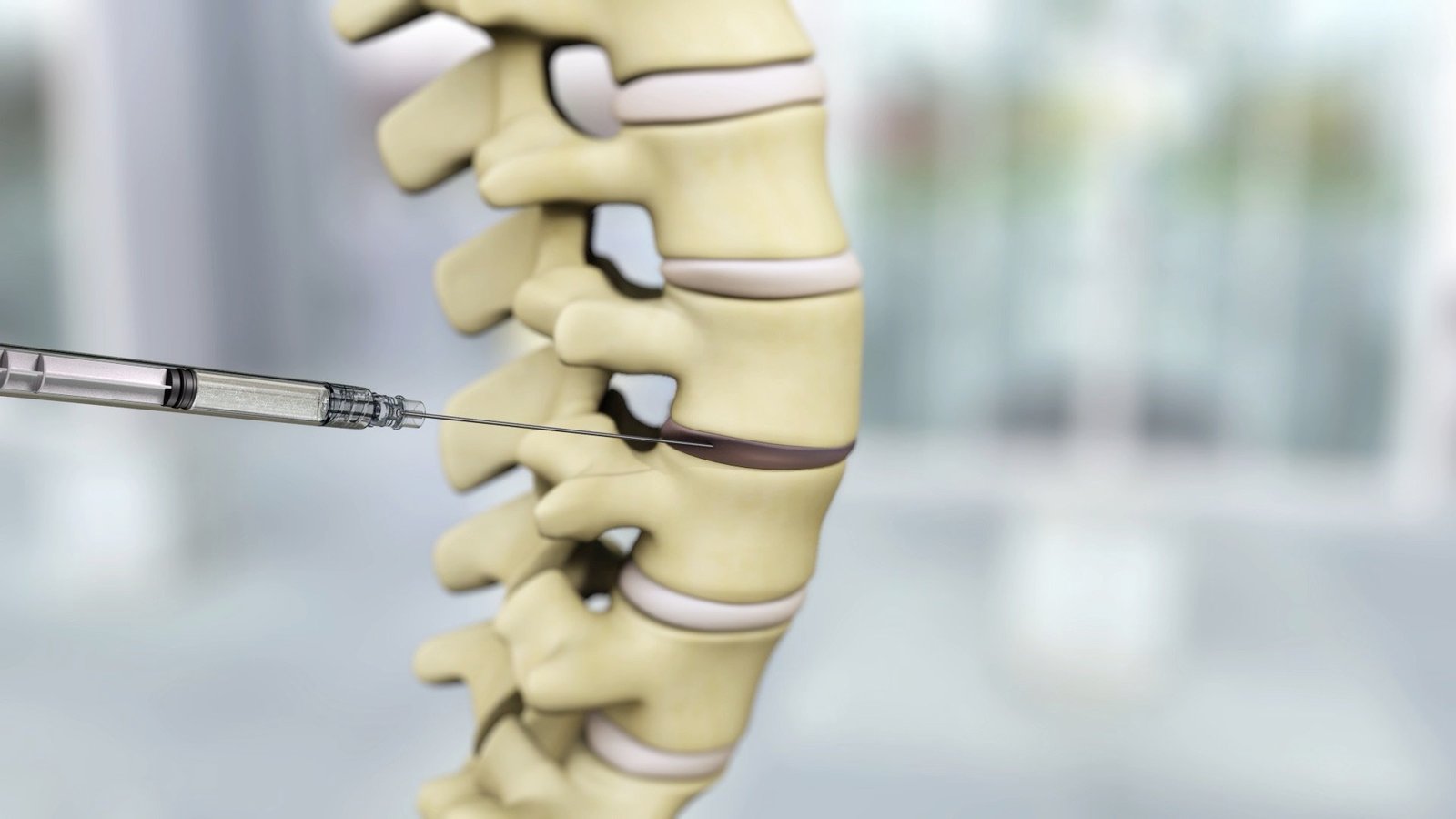
- Epidural steroid injections: These are used to reduce inflammation and relieve pain caused by nerve compression, particularly in cases where symptoms radiate to the limbs
- Activity modification: Avoiding aggravating movements
- Heat and cold therapy: To reduce pain and stiffness
2. Surgical Intervention (if necessary)
- Discectomy: Removal of herniated disc material
- Spinal fusion: Fusing two or more vertebrae to stabilize the spine
- Artificial disc replacement: In selected cases, particularly in the cervical spine
While surgery is a last resort, it can be beneficial in severe or unresponsive cases. However, the majority of degenerative disc disease cases are managed effectively with physiotherapy and lifestyle changes, which form the cornerstone of care at DMPhysios.
Physiotherapy Treatment
At DMPhysios, Noida’s trusted clinic for spine and sports conditions, physiotherapy for degenerative disc disease is tailored to each patient’s symptoms, goals, and lifestyle. Our patient-centered rehab philosophy ensures a thorough assessment and progressive treatment plan that evolves with the patient’s recovery.
1. Initial Assessment & Diagnosis
- Posture analysis
- Range of motion testing
- Neurological examination
- Functional movement screening
- Imaging review (MRI, X-rays if available)
2. Pain Management Techniques
- Electrotherapy: Accelerated Healing Therapy – Advanced electrotherapy solution for better healing and fast recovery
- Ultrasound therapy: Reduces inflammation and promotes healing
- Dry needling or cupping therapy: For muscle release (if indicated)
3. Manual Therapy
- Joint mobilization: To improve spinal segmental mobility
- Myofascial release: Targets tight musculature around the spine
- Traction therapy: Especially useful in lumbar and cervical disc degeneration to relieve nerve compression
4. Corrective Exercise Program
This is the heart of physiotherapy at DMPhysios. Our structured exercise regimen for degenerative disc disease includes:
Phase 1: Acute Phase
- Pain-free range of motion exercises
- Pelvic tilts and gentle spinal mobility drills
- Deep core activation (transversus abdominis, multifidus)
Phase 2: Recovery Phase
- McKenzie exercises for disc centralization (especially for lumbar DDD)
- Isometric strengthening of spinal stabilizers
- Gluteal and hamstring strengthening
- Scapular stabilization (for cervical involvement)
Phase 3: Strengthening & Conditioning
- Resistance training for the core and back
- Functional movements: squats, lunges, and balance exercises
- Aerobic conditioning: brisk walking, cycling, swimming
Phase 4: Maintenance & Return to Activity
- Ergonomics training: Correct posture for sitting, standing, and lifting
- Home exercise program
- Regular follow-ups at DMPhysios to monitor progress and adjust the plan
5. Patient Education
Empowering patients with knowledge about spinal mechanics, disc health, lifestyle modification, and daily spine hygiene is integral to preventing recurrence.
At DMPhysios, education is not a one-time session but a continuous part of rehabilitation.
Prevention of Degenerative Disc Disease
While aging is inevitable, degenerative disc disease is not. Preventive strategies can significantly reduce the risk of disc degeneration and maintain spinal health:
- Maintain a healthy weight
- Stay active with regular exercise targeting flexibility and core strength
- Practice good posture when sitting, standing, and sleeping
- Avoid prolonged static positions—take breaks from sitting every 30–45 minutes
- Lift objects properly using your legs, not your back
- Quit smoking, which impairs disc nutrition and repair
- Hydrate well—disc tissues rely on water for shock absorption
At DMPhysios, we provide ergonomic training and spine-care workshops to help patients adopt these habits in daily life.
Conclusion
Degenerative disc disease is a progressive but manageable condition. With the right combination of education, lifestyle changes, and physiotherapy, individuals can lead active, pain-free lives. At DMPhysios, Noida’s expert clinic for spine and sports conditions, we believe in restoring function, reducing pain, and empowering patients through personalized rehabilitation plans.
Whether you’re just beginning to experience back discomfort or dealing with chronic degenerative disc disease, DMPhysios is here to guide you every step of the way with comprehensive, patient-centered care. Take the first step toward a pain-free spine today. Book your consultation with our expert physiotherapists at DMPhysios, Noida, and reclaim your mobility and quality of life.