Overview
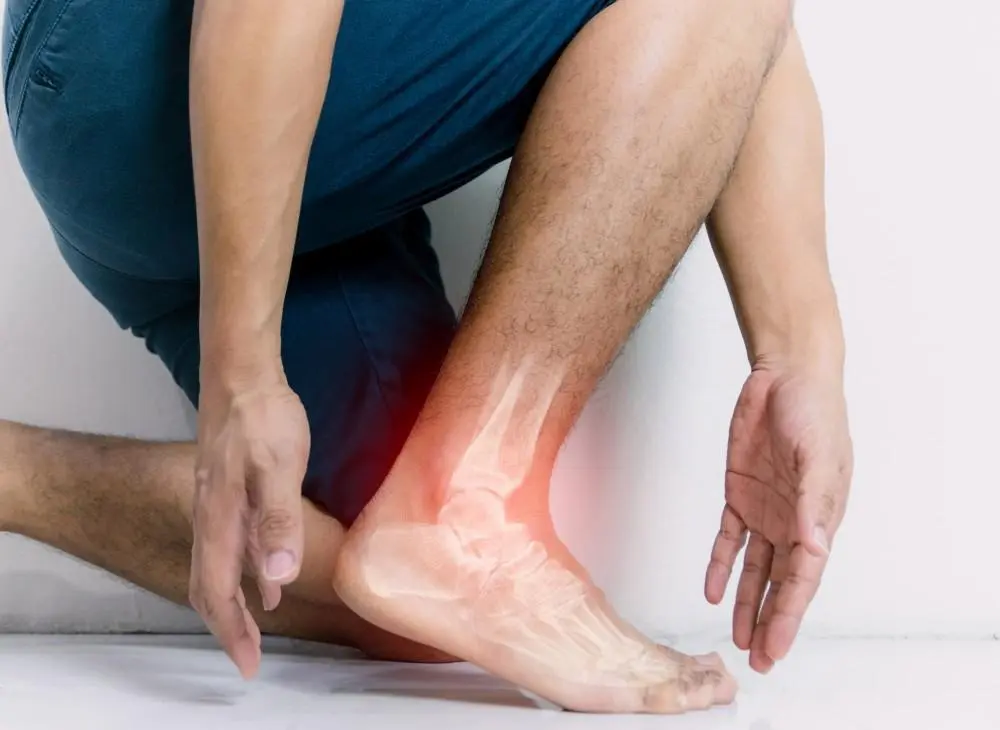
Foot drop, sometimes referred to as drop foot, is not a standalone disease but rather a visible sign of an underlying neurological, muscular, or structural problem. It is characterized by a noticeable difficulty or inability to lift the front portion of the foot, which can cause the toes to drag along the ground while walking.
To compensate, individuals often develop a distinctive high-stepping gait—raising the knee higher than usual—to prevent tripping or stumbling. This alteration in walking pattern not only affects mobility but can also lead to additional strain on other joints over time.
The condition can occur in one foot (unilateral) or both feet (bilateral), and its severity can vary from mild muscle weakness to a complete loss of the ability to dorsiflex the foot. In some cases, foot drop is temporary, resolving as the underlying issue heals; however, when it results from severe nerve injury or progressive neurological disorders, it can become a long-term or even permanent challenge.
At DMPhysios, a renowned physiotherapy clinic in Noida specializing in spine and sports-related conditions, treatment is approached with a strong focus on patient-centered rehabilitation. Rather than merely addressing the outward symptoms, the team works to identify and treat the root cause of foot drop, combining advanced physiotherapy techniques, personalized exercise programs, and supportive therapies. This comprehensive approach helps patients not only improve foot function but also regain confidence and independence in their daily activities.
Symptoms of Foot Drop
The hallmark symptom of foot drop is the inability to dorsiflex the foot (lift it upward). Common signs include:
- High-stepping gait – Lifting the knee higher than usual to clear the foot while walking.
- Toe dragging – The front of the foot may scrape along the ground.
- Slapping gait – The foot slaps onto the ground during walking.
- Numbness or tingling – Especially on the top of the foot or toes.
- Muscle weakness – Difficulty moving the ankle or toes upward.
- Pain – May be present depending on the underlying cause (e.g., nerve compression).
In severe cases, foot drop can significantly impact mobility, balance, and daily activities.
Types of Foot Drop
Foot drop can be classified based on its origin:
- Neurological Foot Drop
- Caused by damage to the peroneal nerve, sciatic nerve, or spinal nerve roots.
- Often due to nerve compression, trauma, or neurological disorders like multiple sclerosis or stroke.
- Muscular Foot Drop
- Results from weakness or paralysis of the muscles responsible for dorsiflexion (e.g., tibialis anterior).
- Can occur due to muscular dystrophy or other myopathies.
- Central Foot Drop
- Caused by brain or spinal cord disorders affecting motor control.
- Seen in conditions like stroke, brain injury, or cerebral palsy.
Causes of Foot Drop
There are several possible causes, often involving nerve, muscle, or central nervous system damage:
- Peroneal nerve injury – Commonly due to prolonged leg crossing, squatting, or knee injuries.
- Lumbar radiculopathy – Nerve compression in the lower spine (e.g., herniated disc, spinal stenosis).
- Stroke – Brain injury can disrupt signals to the foot muscles.
- Multiple sclerosis (MS) – A progressive neurological condition affecting muscle control.
- Peripheral neuropathy – Common in diabetes, leading to nerve damage.
- Muscular dystrophy – Weakening of muscles over time.
- Trauma or fractures – Particularly around the knee, ankle, or leg.
- Post-surgical complications – Nerve injury after orthopedic or spinal surgery.
Risk Factors for Foot Drop
Some individuals are more prone to developing foot drop due to:
- Prolonged immobilization (bed rest, casting)
- Chronic conditions like diabetes or MS
- Occupational hazards involving repetitive squatting or kneeling
- Previous leg or knee injuries
- Obesity – Increased risk of nerve compression
- Poor posture or ergonomics
Treatment for Foot Drop
The treatment of foot drop depends on its underlying cause. The main goals are to restore mobility, improve safety during walking, and prevent complications.
- Medical Management
- Medications – For inflammation (steroids, anti-inflammatory drugs), pain relief, or nerve pain.
- Surgery – For nerve decompression, tendon transfer, or spinal surgery if structural issues are present.
- Bracing – Use of an ankle-foot orthosis (AFO) to support the foot in a neutral position.
- Lifestyle & Ergonomic Modifications
- Avoiding prolonged leg crossing.
- Adjusting seating and posture to reduce nerve compression.
At DMPhysios, the medical approach is integrated with advanced physiotherapy interventions, ensuring a holistic and patient-centered recovery plan.
Physiotherapy Treatment for Foot Drop
Physiotherapy plays a central role in the management of foot drop, especially in improving muscle strength, nerve activation, and gait. At DMPhysios, physiotherapy programs are personalized, combining manual therapy, therapeutic exercises, and advanced modalities.
1. Strengthening Exercises
Focused on muscles responsible for dorsiflexion and ankle stability:
- Ankle dorsiflexion with resistance band
- Toe raises
- Heel walking
- Towel scrunches for intrinsic foot muscles
- Seated marches for functional activation
2. Stretching Exercises
To maintain joint mobility and prevent stiffness:
- Calf stretches (gastrocnemius & soleus)
- Hamstring stretches
- Plantar fascia stretch
3. Neuromuscular Re-education
Techniques to retrain brain-muscle connection:
- Proprioceptive neuromuscular facilitation (PNF)
- Balance board training
- Mirror therapy for visual feedback
4. Functional Gait Training
- High-knee walking
- Step-over drills
- Obstacle walking for toe clearance
- Use of treadmill training with partial body weight support
5. Electrical Stimulation (FES)
Functional electrical stimulation can help activate the dorsiflexor muscles during walking, improving gait patterns.
6. Orthotic Support
Custom-fit AFOs to prevent toe drag and ensure safe walking, often combined with progressive weaning as strength improves.
At DMPhysios, the physiotherapy approach is not just about exercises—it’s about integrating evidence-based protocols with patient-centered rehabilitation. Progress is monitored regularly, and programs are adapted to each patient’s recovery stage.
Prevention of Foot Drop
While not all cases are preventable, certain measures can reduce the risk:
- Maintain proper posture to avoid nerve compression.
- Use ergonomic seating if working long hours.
- Take frequent breaks from prolonged squatting or leg crossing.
- Manage chronic conditions like diabetes effectively.
- Wear protective gear during sports and physical activities.
- Strengthen lower limb muscles regularly.
Conclusion
Foot drop can have a major impact on mobility and independence, but with timely diagnosis and comprehensive physiotherapy, many patients regain function and confidence. Addressing the underlying cause while focusing on muscle strengthening, gait training, and nerve re-education is essential.
At DMPhysios, a Noida-based clinic specializing in spine and sports conditions, the focus is on patient-centered rehabilitation—ensuring that every individual receives a tailored plan for optimal recovery. Whether your foot drop is due to nerve injury, muscle weakness, or neurological disease, our expert team is here to guide you every step of the way.
Your journey to better mobility starts now—contact DMPhysios and take the first step towards recovery.