Overview
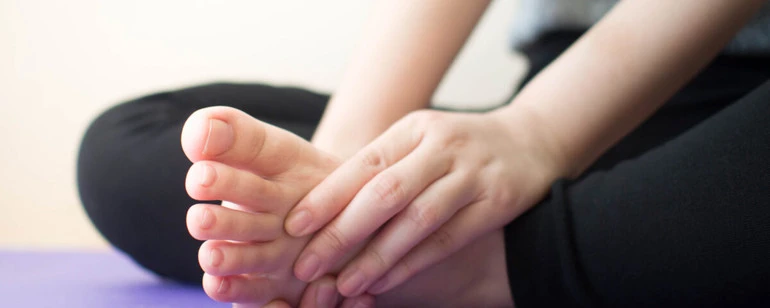
Great toe numbness is a clinical condition marked by a noticeable loss or alteration of normal sensation in the big toe—commonly referred to as the “great toe.” People experiencing this issue often describe tingling, “pins and needles,” burning, reduced sensitivity to touch, or even complete numbness in the affected area.
Because the great toe plays a pivotal role in maintaining balance, stabilizing the body during standing, and enabling effective push-off while walking or running, any sensory disturbance here can lead to significant changes in gait, coordination, and daily activities. Simple tasks such as climbing stairs, standing for prolonged periods, or engaging in sports may become challenging or uncomfortable when sensation in the great toe is compromised.
At DMPhysios, a leading clinic in Noida specializing in spine and sports conditions with a strong focus on patient-centered rehabilitation, we frequently see individuals struggling with great toe numbness. Many of these cases are linked to factors ranging from local nerve entrapment in the foot to spinal conditions or metabolic disorders.
Our team emphasizes a comprehensive approach that not only targets the symptoms but also identifies the root cause—whether it lies in footwear, biomechanics, nerve compression, or systemic health issues. By understanding the mechanisms behind great toe numbness and addressing them through evidence-based treatment and education, we help patients achieve effective recovery, restore normal function, and reduce the risk of long-term complications.
Symptoms
The presentation of great toe numbness can vary depending on the underlying cause, but common symptoms include:
- Tingling or “pins and needles” sensation in the big toe.
- Reduced or absent sensation when touching the great toe.
- Burning or electric-like pain radiating from the foot to the great toe.
- Weakness during toe extension or push-off when walking or running.
- Difficulty maintaining balance, especially on uneven surfaces.
- Changes in skin color or temperature of the toe in severe cases.
In many cases, great toe numbness is not an isolated finding but occurs alongside other symptoms such as foot pain, calf tightness, or lower back discomfort. At DMPhysios, we evaluate not just the toe but the entire kinetic chain—including the foot, ankle, and spine—to identify contributing factors.
Types of Great Toe Numbness
Although there is no universally accepted or formal classification system, great toe numbness can be broadly understood by looking at where the problem originates. Classifying it in this way helps both patients and clinicians appreciate why the symptom occurs and what kind of treatment might be most effective. At DMPhysios, we routinely use this approach to make our assessments clearer and more patient-friendly.
1. Peripheral Nerve–Related Numbness
This form of great toe numbness develops when one of the smaller nerves in the foot or lower leg becomes irritated, compressed, or injured. For example, the medial dorsal cutaneous nerve or the deep peroneal nerve—both of which supply sensation to the top and sides of the big toe—may become pinched due to tight footwear, swelling, foot deformities, or repetitive stress. Because the issue is local to the foot or ankle, symptoms may be confined to the toe and sometimes the adjacent skin areas. Early recognition and pressure relief can prevent this from progressing.
2. Spinal or Radicular Numbness
In some cases, the source of great toe numbness is not in the foot at all but higher up in the spine. Compression or irritation of the lumbar nerve roots—particularly at the L4–L5 or L5–S1 levels—can cause radiating symptoms that travel from the lower back down through the leg and into the great toe. This is often seen in conditions such as lumbar disc herniation, spinal stenosis, or spondylolisthesis. Patients may also report lower back pain, leg weakness, or tingling in multiple toes. Identifying this “radicular” pattern is crucial, as treatment must address the spine as well as the foot.
3. Vascular-Related Numbness
When the blood supply to the toe is compromised, nerve tissue does not receive enough oxygen and nutrients, leading to sensory changes. This vascular-related great toe numbness may occur in people with peripheral artery disease, diabetes, or chronic vascular compression from prolonged sitting or standing. The numbness might be accompanied by coldness, skin color changes, or delayed wound healing. In these cases, restoring circulation and managing systemic risk factors are as important as local care.
4. Post-Traumatic or Post-Surgical Numbness
Trauma to the foot, ankle, or lower leg—or surgical procedures such as bunion correction, fracture fixation, or tendon repairs—can sometimes injure or stretch the small sensory nerves supplying the great toe. This can lead to temporary or, in rare cases, permanent great toe numbness. Rehabilitation plays a key role in reducing scar tissue adhesions, improving nerve mobility, and restoring function after such events.
Identifying which “type” of great toe numbness a patient is experiencing is essential for creating an effective and individualized treatment plan. At DMPhysios, our multidisciplinary team takes the time to differentiate between these categories so that every patient receives care tailored to the true source of their symptoms rather than just masking them.
Causes
Great toe numbness may arise from a variety of conditions, including:
- Nerve Compression in the Foot – Tight shoes, bunions, or foot deformities may irritate nerves supplying the great toe.
- Lumbar Spine Issues – Herniated discs, spinal stenosis, or degenerative changes can compress the L5 nerve root, which supplies the great toe.
- Peripheral Neuropathy – Conditions such as diabetes, vitamin deficiencies, or alcohol abuse can damage nerves in the extremities.
- Trauma or Surgery – Direct injury to the foot or ankle may result in temporary or permanent sensory changes.
- Morton’s Neuroma – Although typically between the toes, nerve entrapment can sometimes affect the great toe.
- Poor Circulation – Vascular diseases reduce blood flow, leading to numbness or discoloration.
- Prolonged Pressure – Sitting or sleeping in awkward positions can transiently compress nerves.
At DMPhysios, our clinicians assess not only the local foot anatomy but also the patient’s spine, posture, and gait to pinpoint the root cause of great toe numbness.
Risk Factors
Several factors increase the likelihood of developing great toe numbness:
- Wearing tight, high-heeled, or ill-fitting shoes.
- Repetitive sports activities such as running, soccer, or dancing.
- Diabetes or other metabolic conditions.
- History of lumbar spine problems such as disc herniation or spondylolisthesis.
- Foot deformities (bunions, flat feet, high arches).
- Previous foot or ankle surgery.
- Occupational activities requiring prolonged standing or kneeling.
Understanding these risk factors allows the team at DMPhysios to design preventive and rehabilitative strategies tailored to each individual.
Treatment
The treatment of great toe numbness depends on its cause, severity, and duration. Management typically involves a combination of medical and rehabilitative approaches:
- Medical Management
- Addressing underlying conditions such as diabetes, vascular disease, or vitamin deficiencies.
- Anti-inflammatory medications for nerve compression or irritation.
- In severe nerve entrapments, surgical decompression may be considered.
- Lifestyle Modifications
- Switching to properly fitting, supportive footwear.
- Reducing high-impact activities until symptoms improve.
- Incorporating foot and ankle stretching into daily routines.
- Rehabilitative Care at DMPhysios
- Comprehensive assessment of the foot, ankle, and spine.
- Individualized exercise prescription to restore nerve mobility and improve blood flow.
- Education on posture, footwear, and self-care strategies.
Physiotherapy Treatment
Physiotherapy plays a central role in addressing great toe numbness, especially when related to nerve compression, poor biomechanics, or post-injury changes. At DMPhysios, our patient-centered rehabilitation approach combines evidence-based techniques with individualized care.
Key physiotherapy interventions include:
1. Nerve Mobilization Techniques
- Sciatic and Peroneal Nerve Glides: These gentle movements help reduce nerve tension from the spine to the foot.
- Lumbar Mobilization: Improving spinal mobility can decrease nerve root compression contributing to great toe numbness.
2. Soft Tissue and Manual Therapy
- Myofascial Release: Targeting calf muscles, plantar fascia, and foot muscles to reduce tightness.
- Joint Mobilization: Enhancing mobility at the ankle and big toe joints to relieve mechanical pressure.
3. Strengthening and Stabilization Exercises
- Intrinsic Foot Muscle Strengthening: Short foot exercises and towel scrunches to support the arch.
- Ankle and Calf Strengthening: Improves push-off and circulation.
- Core and Lumbar Stability Training: Essential for nerve-related great toe numbness originating from the spine.
4. Gait and Posture Training
Correcting walking patterns, foot strike, and posture can alleviate abnormal pressure on nerves and improve sensation over time.
5. Modalities for Symptom Relief
- Transcutaneous Electrical Nerve Stimulation (TENS) for pain modulation.
- Ultrasound therapy to enhance tissue healing.
- Cold or heat therapy based on the stage of symptoms.
At DMPhysios, we also incorporate advanced rehabilitation tools and continuous patient education to ensure that individuals not only recover but also prevent recurrence of great toe numbness.
Prevention
Preventive measures can significantly reduce the risk of developing great toe numbness:
- Wear properly fitting shoes with adequate toe box space.
- Maintain healthy blood sugar and cholesterol levels.
- Warm up and stretch before engaging in sports.
- Perform regular foot and ankle strengthening exercises.
- Practice good posture and ergonomic habits at work.
- Address lower back issues promptly to avoid nerve root compression.
Our team at DMPhysios places strong emphasis on preventive education—empowering patients to take charge of their foot and spinal health.
Conclusion
Great toe numbness may seem like a minor symptom, but it often reflects underlying issues ranging from local nerve compression to spinal pathology or metabolic conditions. Ignoring it can lead to worsening pain, balance problems, or even long-term nerve damage.
At DMPhysios, a premier Noida-based clinic specializing in spine and sports conditions with a patient-centered rehabilitation philosophy, we take a comprehensive approach to diagnosing and treating great toe numbness. From advanced physiotherapy techniques to lifestyle counseling, our goal is to restore function, relieve symptoms, and prevent recurrence.If you are experiencing great toe numbness, don’t wait for it to worsen. Contact DMPhysios today to schedule a thorough assessment and begin your journey toward recovery and improved foot health.