Overview
Guillain-Barré Syndrome (GBS) is a rare but potentially life-altering neurological condition in which the body’s own immune system turns against its peripheral nerves. These nerves, located outside the brain and spinal cord, are responsible for transmitting signals that control muscle movements, regulate sensory responses like touch or temperature, and manage vital autonomic functions such as heart rate and breathing.
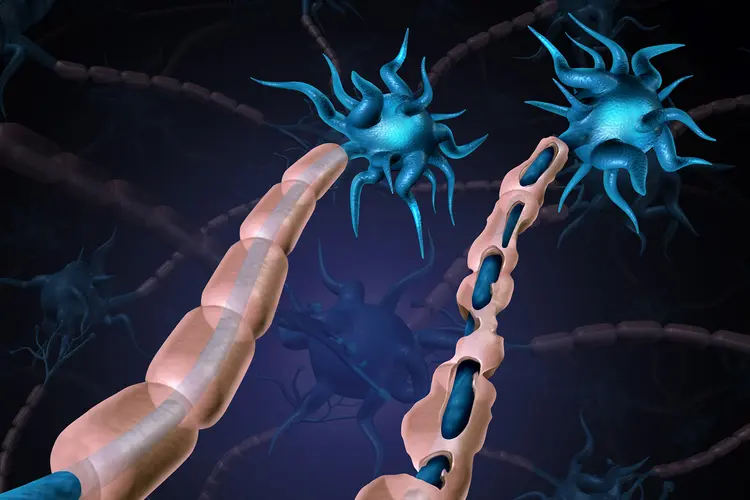
In Guillain-Barré syndrome, the immune system mistakenly attacks these nerves, leading to inflammation, impaired signal transmission, and, in many cases, a sudden onset of muscle weakness, numbness, or even full-body paralysis.
The onset of Guillain-Barré syndrome is often abrupt and can escalate quickly, progressing from mild tingling in the extremities to serious motor impairments within days or weeks. While some individuals experience only temporary symptoms and recover fully with minimal intervention, others may face significant functional limitations that require extensive rehabilitation and long-term care. The severity and duration of Guillain-Barré syndrome can vary greatly, making it a uniquely unpredictable and emotionally taxing condition for both patients and their families.
At DMPhysios, a reputed physiotherapy clinic located in Noida, we understand the complexities of neurological conditions like Guillain-Barré syndrome. Our clinic specializes in spine and sports-related disorders but also extends expert care to those affected by acute neurological syndromes.
With a strong emphasis on patient-centered rehabilitation, our team blends scientific knowledge with compassionate support to design customized treatment plans. Whether a patient is in the early stages of GBS or navigating the recovery journey, DMPhysios is committed to providing comprehensive, multidisciplinary care aimed at restoring mobility, independence, and quality of life.
Symptoms
Guillain-Barré syndrome often starts with a sensation of tingling or weakness in the lower limbs. This sensation can quickly spread upward to the arms and upper body. Timely identification of symptoms is essential for early and effective treatment.
Common symptoms include:
- Weakness in the legs and arms (often symmetrical)
- Numbness or tingling sensations
- Difficulty walking or climbing stairs
- Loss of reflexes
- Muscle pain or cramping
- Difficulty breathing (in severe cases)
- Facial drooping or double vision
- Difficulty speaking, chewing, or swallowing
- Irregular heart rate or blood pressure (autonomic dysfunction)
In most cases, symptoms reach their peak within two to four weeks, followed by a plateau and then a slow recovery phase.
Types of Guillain-Barré Syndrome
Guillain-Barré syndrome is not a single condition but a group of related disorders. The primary types include:
1. Acute Inflammatory Demyelinating Polyneuropathy (AIDP)
AIDP, the most prevalent form in the U.S. and Europe, affects the nerve’s protective myelin sheath. It usually begins in the lower limbs and gradually moves upward.
2. Miller Fisher Syndrome (MFS)
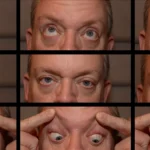
MFS is characterized by paralysis beginning in the eyes, loss of reflexes, and coordination issues. It is more common in Asia than in other regions.
3. Acute Motor Axonal Neuropathy (AMAN) and Acute Motor-Sensory Axonal Neuropathy (AMSAN)
These variants involve direct damage to the nerve axons rather than the myelin sheath. They are often more severe and more prevalent in Asia and Latin America.
At DMPhysios, we evaluate the specific type of Guillain-Barré syndrome affecting a patient through detailed neurological assessments, allowing us to tailor our rehabilitation strategies accordingly.
Causes
The exact cause of Guillain-Barré syndrome remains unknown, but it is generally considered an autoimmune condition. In many cases, it is preceded by an infection that triggers an inappropriate immune response.
Common triggers include:
- Campylobacter jejuni infection (a type of foodborne bacteria)
- Viral infections like Epstein-Barr virus, cytomegalovirus, or influenza
- Recent vaccinations (rare)
- Surgical procedures
- COVID-19 infection or vaccination (rare but reported)
The immune system, instead of attacking pathogens, mistakenly targets the body’s own peripheral nerves, leading to inflammation and damage.
Risk Factors
Although Guillain-Barré syndrome can affect individuals of any age or gender, certain factors can increase the risk:
- Recent gastrointestinal or respiratory infections
- Male gender (slightly higher risk)
- Age above 50 years
- Previous history of GBS (though recurrent GBS is rare)
- Autoimmune conditions
- Post-surgical states
At DMPhysios, we consider the patient’s complete medical history, lifestyle, and risk factors while creating an integrative physiotherapy care plan for Guillain-Barré syndrome management.
Treatment
Guillain-Barré syndrome requires immediate medical attention. Most patients are hospitalized for close monitoring, especially during the acute phase.
Mainstream treatments include:
1. Plasmapheresis (Plasma Exchange)
This process removes antibodies from the blood that are attacking the nervous system.
2. Intravenous Immunoglobulin (IVIG)
IVIG involves infusing antibodies from healthy donors, which can block the harmful antibodies causing the condition.
3. Supportive Care
- Mechanical ventilation (if respiratory muscles are involved)
- Pain management
- Monitoring heart rate and blood pressure
- Nutritional support
While these treatments can stop the progression of Guillain-Barré syndrome, they do not reverse the nerve damage. That’s where physiotherapy plays a vital role in recovery.
Physiotherapy Treatment
At DMPhysios, our physiotherapy approach to Guillain-Barré syndrome is both evidence-based and patient-centered, focusing on optimizing recovery, improving function, and restoring independence. The rehabilitation strategy varies based on the phase of the condition—acute, plateau, and recovery.
1. Acute Phase (Hospital-based Care)
Goals:
- Prevent complications like pressure sores and pneumonia
- Maintain joint mobility
- Prevent muscle atrophy
Interventions:
- Passive range of motion (PROM) exercises
- Positioning strategies to prevent contractures
- Gentle respiratory therapy (incentive spirometry, diaphragmatic breathing)
- Patient education for psychological support
2. Plateau Phase
Goals:
- Begin light activity without over-fatiguing the patient
- Prevent deconditioning
- Initiate motor retraining
Interventions:
- Assisted active range of motion (AAROM) exercises
- Bed mobility training
- Gentle isometric strengthening
- Breathing exercises
- Neuromuscular electrical stimulation (if required)
At this phase, DMPhysios ensures therapy is closely monitored to avoid fatigue, which can hinder nerve recovery in Guillain-Barré syndrome.
3. Recovery Phase
Goals:
- Gradual restoration of strength, balance, and coordination
- Functional independence in daily activities
- Community reintegration
Interventions:
- Progressive resistive exercises for limb strengthening
- Gait training with assistive devices
- Balance and proprioceptive training
- Postural correction and core stabilization
- Occupational therapy for fine motor skills
- Aerobic conditioning to improve endurance
- Patient education to manage fatigue and energy levels
Why Choose DMPhysios for GBS Rehabilitation?
Located in Noida, DMPhysios specializes in spine and sports-related conditions but also handles complex neurological disorders like Guillain-Barré syndrome. Our multidisciplinary rehab approach integrates physiotherapy, occupational therapy, and psychological support under one roof. We tailor programs to each patient’s phase of recovery and lifestyle needs, ensuring functional outcomes and compassionate care.
Prevention
While Guillain-Barré syndrome cannot always be prevented due to its autoimmune nature, certain precautions can lower the risk:
- Maintain proper hygiene to avoid infections like Campylobacter
- Get vaccinated under medical supervision, especially if there’s a past history of GBS
- Seek early medical attention for respiratory or gastrointestinal infections
- Manage chronic conditions that may impact the immune system
At DMPhysios, we also educate families and caregivers about early signs of relapse and provide preventive strategies to avoid complications from immobility, such as DVT, contractures, or respiratory issues.
Conclusion
Guillain-Barré syndrome, though rare, can have a profound impact on an individual’s physical and emotional well-being. Early diagnosis, timely medical intervention, and a comprehensive rehabilitation plan are key to maximizing recovery. At DMPhysios, we understand the complexities of Guillain-Barré syndrome and offer customized, evidence-based physiotherapy that aligns with each patient’s recovery goals.
If you or a loved one is experiencing weakness, tingling, or unusual muscle fatigue following an infection, don’t ignore the signs. Reach out to DMPhysios, your trusted physiotherapy clinic in Noida, where expert care meets compassionate healing. Let us help you reclaim your strength, mobility, and independence—one step at a time.Call to Action: Book a consultation with DMPhysios today if you or someone you know is recovering from Guillain-Barré syndrome. Early physiotherapy intervention is vital to long-term recovery.
Visit us in Noida or call us to know more about our patient-centered rehab programs for neurological and spine-related conditions.