Overview
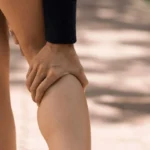
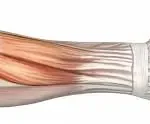
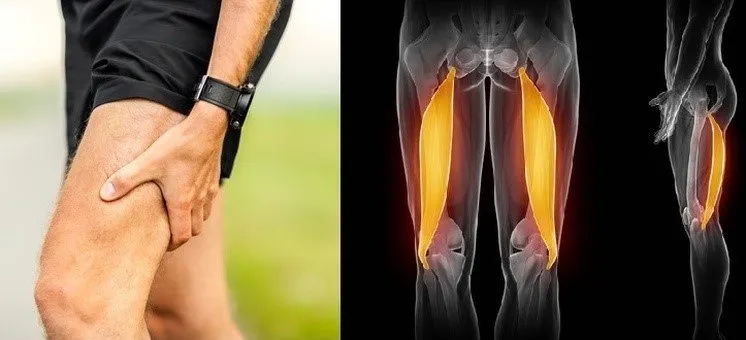
The hamstrings are a group of three essential muscles located at the back of the thigh: the biceps femoris, semitendinosus, and semimembranosus. These muscles work in coordination to facilitate critical movements such as bending the knee (knee flexion), extending the hip, and maintaining overall stability of the lower body. They are actively engaged in a wide range of physical activities, including running, jumping, cycling, and sports that require rapid changes in speed or direction, such as football, tennis, and sprinting.
Hamstring muscles overuse occurs when these muscles are repeatedly subjected to stress beyond their ability to fully recover. Unlike an acute hamstring strain or tear, which happens suddenly, overuse develops gradually over time due to continuous microtrauma and repetitive loading. This prolonged strain can result in symptoms such as muscle tightness, fatigue, reduced strength, imbalances between muscles, and even chronic discomfort that can affect both athletic performance and everyday activities. If left unaddressed, overuse may increase the risk of more severe injuries, including strains or tears.
At DMPhysios, a leading physiotherapy clinic in Noida specializing in spine and sports-related conditions, customized patient-centered rehabilitation programs are carefully designed to address hamstring muscles overuse. These programs not only focus on relieving symptoms and restoring normal muscle function but also emphasize long-term recovery strategies, strength balancing, flexibility improvement, and injury prevention. Through targeted assessment and evidence-based interventions, DMPhysios ensures that patients can return to their activities safely and sustainably while minimizing the risk of recurrence.
Symptoms
Symptoms of hamstring muscles overuse often start subtly and worsen gradually. They may include:
- Gradual onset of pain in the back of the thigh, often described as dull or aching.
- Muscle tightness or stiffness, particularly after prolonged sitting or intense activity.
- Fatigue in the hamstring during activities like running, sprinting, or climbing stairs.
- Tenderness to touch along the hamstring muscles.
- Reduced flexibility and limited range of motion in the hip and knee.
- Muscle spasms or cramping, especially after exercise.
- Pain may intensify with continued activity and improve with rest.
Recognizing these early signs is critical, as untreated hamstring muscles overuse can progress to more serious injuries such as tendinopathy or partial tears.
Types of Hamstring Muscles Overuse
While hamstring muscles overuse is often treated as a single overarching condition, it can present in different patterns depending on which specific hamstring muscle is predominantly affected. Understanding these variations is important because each muscle may respond differently to stress, and tailored treatment approaches are often required.
- Biceps Femoris Overuse
The biceps femoris, located on the outer (lateral) part of the posterior thigh, is the most commonly affected hamstring muscle in athletes who perform activities requiring sudden acceleration, sprinting, or rapid directional changes. Biceps femoris overuse typically develops gradually due to repetitive loading without sufficient recovery.
Symptoms often include:
- Dull or aching pain on the lateral aspect of the back of the thigh.
- Muscle tightness or stiffness that worsens with sprinting or kicking.
- Occasional cramping during high-intensity activity.
- Discomfort when sitting for long periods, especially with the leg bent.
Athletes such as sprinters, footballers, and rugby players are particularly susceptible. Overuse of the biceps femoris may lead to decreased speed, reduced power output, and higher risk of acute strains if left unmanaged.
- Semitendinosus Overuse
The semitendinosus runs along the inner back of the thigh and is frequently involved in activities that require repetitive hip extension and knee flexion, such as rowing, cycling, or martial arts. Semitendinosus overuse can cause discomfort that is more centralized along the posterior thigh, sometimes presenting as a deep, dull ache rather than sharp pain.
Common signs include:
- Pain along the midline of the posterior thigh, often worsening with repetitive bending or lifting.
- Mild swelling or tenderness when pressing along the inner hamstring.
- Reduced flexibility in hip extension and knee flexion movements.
- Fatigue or sense of heaviness in the muscle during prolonged activity.
Semitendinosus overuse can impair coordination and endurance during repetitive lower limb movements, making proper assessment and physiotherapy crucial.
- Semimembranosus Overuse
The semimembranosus, positioned more medially in the posterior thigh, is often affected in endurance athletes such as long-distance runners or cyclists. Semimembranosus overuse develops gradually due to prolonged repetitive motions that place continuous tension on the medial hamstring.
Symptoms typically include:
- Deep-seated pain along the medial portion of the posterior thigh.
- Sensation of tightness or tension that persists even at rest.
- Difficulty maintaining prolonged running or cycling without discomfort.
- Mild swelling or tenderness along the inner thigh.
Overuse of the semimembranosus may not only impact performance but can also contribute to compensatory patterns in the hips or lower back if left unaddressed.
Causes
Hamstring muscles overuse is primarily caused by repetitive stress exceeding the muscle’s ability to recover. Common causes include:
- Excessive training volume without adequate rest.
- Sudden increases in intensity or duration of physical activity.
- Improper warm-up or lack of dynamic stretching before exercise.
- Muscle imbalances, such as stronger quadriceps compared to hamstring.
- Poor biomechanics during running, cycling, or sports movements.
- Inadequate recovery or persistent fatigue.
- Previous injuries that reduce muscle flexibility or strength.
Identifying the underlying cause is crucial for effective treatment, as addressing only the symptoms will not prevent recurrence.
Risk Factors
Certain individuals are more susceptible to hamstring muscles overuse due to the following risk factors:
- Athletes in high-speed sports, including soccer, rugby, track and field, and basketball.
- Age-related muscle changes, which decrease flexibility and recovery potential.
- Weak core or gluteal muscles, increasing load on the hamstring.
- Poor flexibility of hamstring or surrounding muscles.
- Previous hamstring injuries, as scar tissue and reduced elasticity can predispose to overuse.
- Improper training techniques or lack of progressive loading.
Understanding these risk factors can help athletes and non-athletes alike take proactive steps toward prevention.
Treatment
Treatment of hamstring muscles overuse is focused on relieving pain, restoring flexibility, and preventing further injury. Key treatment approaches include:
- Rest and Activity Modification
- Avoid activities that exacerbate symptoms.
- Replace high-impact activities with low-impact alternatives like swimming or cycling.
- Ice Therapy
- Applying ice packs can reduce inflammation and soreness, especially after exercise.
- Pain Relief
- Non-steroidal anti-inflammatory drugs (NSAIDs) may be recommended temporarily under professional supervision.
- Compression and Support
- Compression sleeves or elastic bandages can help reduce swelling and support the muscle.
While these interventions help, long-term recovery relies on structured physiotherapy, like the personalized programs at DMPhysios, which target strength, flexibility, and functional movement patterns.
Physiotherapy Treatment
DMPhysios, a leading clinic in Noida for spine and sports conditions, emphasizes patient-centered rehabilitation for hamstring muscles overuse. Physiotherapy treatment typically includes:
1. Assessment and Diagnosis
- Comprehensive evaluation of posture, gait, flexibility, and muscle strength.
- Identifying contributing factors such as gluteal weakness, core instability, or poor running mechanics.
2. Stretching Exercises
- Static Hamstring Stretch: Holding gentle stretches for 20–30 seconds to improve flexibility.
- Dynamic Leg Swings: Controlled swings to warm up muscles before activity.
- PNF Stretching: Proprioceptive neuromuscular facilitation techniques to enhance muscle length.
3. Strengthening Exercises
- Bridges and Hip Thrusts: Strengthen glutes to reduce hamstring load.
- Nordic Hamstring Curl: Eccentric strengthening of the hamstring to prevent overuse injuries.
- Deadlifts (Modified): Strengthen hamstring with proper technique under supervision.
4. Soft Tissue Therapy
- Massage and Myofascial Release: Reduce muscle tension and improve blood flow.
- Trigger Point Therapy: Relieve localized tight spots in the hamstring.
5. Neuromuscular Re-education
- Balance and proprioception exercises to enhance coordination and reduce strain.
- Functional movement training to correct gait or sports technique errors.
6. Gradual Return to Activity
- Progressive loading and monitoring to prevent recurrence.
- Sport-specific drills under physiotherapist supervision.
Through this structured, individualized approach, DMPhysios ensures that patients recover fully from hamstring muscles overuse while minimizing the risk of future injuries.
Prevention
Preventing hamstring muscles overuse is always better than treating it. Key preventive strategies include:
- Proper Warm-Up: Engage in dynamic stretching and light aerobic activity before exercise.
- Strength and Conditioning: Strengthen hamstring, glutes, and core muscles to balance forces.
- Gradual Progression: Increase training intensity, duration, and frequency gradually.
- Flexibility Training: Incorporate regular stretching and mobility exercises.
- Adequate Recovery: Ensure sufficient rest between intense training sessions.
- Technique Optimization: Correct running, jumping, and lifting mechanics.
- Use of Supportive Gear: Compression sleeves or proper footwear when appropriate.
Regular assessment by a physiotherapist, like those at DMPhysios, can identify early signs of overuse and guide tailored preventive strategies.
Conclusion
Hamstring muscles overuse is a common but often overlooked condition that can significantly affect athletic performance and daily activities. Early recognition, proper rest, structured physiotherapy, and preventive measures are crucial for complete recovery.
At DMPhysios, located in Noida, patients receive expert care for hamstring muscles overuse with individualized rehabilitation plans designed to restore strength, flexibility, and function. Whether you are an athlete or someone experiencing persistent hamstring discomfort, timely intervention can prevent chronic problems and enhance performance.
If you are experiencing symptoms of hamstring muscles overuse, don’t wait for it to worsen. Schedule an evaluation at DMPhysios today to receive comprehensive, patient-centered care and regain optimal muscle health.