Overview
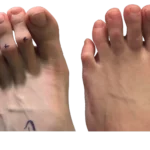
Iselin’s Disease is a rare orthopedic condition that primarily affects children and adolescents, particularly those engaged in sports or physical activities. It is classified as apophysitis, meaning an inflammation of the growth plate where tendons attach to the bone. Specifically, Iselin’s Disease occurs at the base of the fifth metatarsal bone in the foot — the small bony prominence on the outer side where the peroneus brevis tendon attaches.
The condition arises due to repetitive traction or pulling forces on the growth plate, leading to pain, swelling, and difficulty in walking or participating in sports. Since this disease is closely related to periods of rapid growth and increased physical activity, it is often seen in children between the ages of 9 and 14 years.
For parents, coaches, and young athletes, recognizing the signs of Iselin’s Disease is crucial to prevent chronic pain or functional limitations. Clinics like DMPhysios in Noida, which specializes in spine and sports conditions with a patient-centered rehabilitation approach, provide tailored care and physiotherapy solutions for young individuals suffering from this condition.
Symptoms
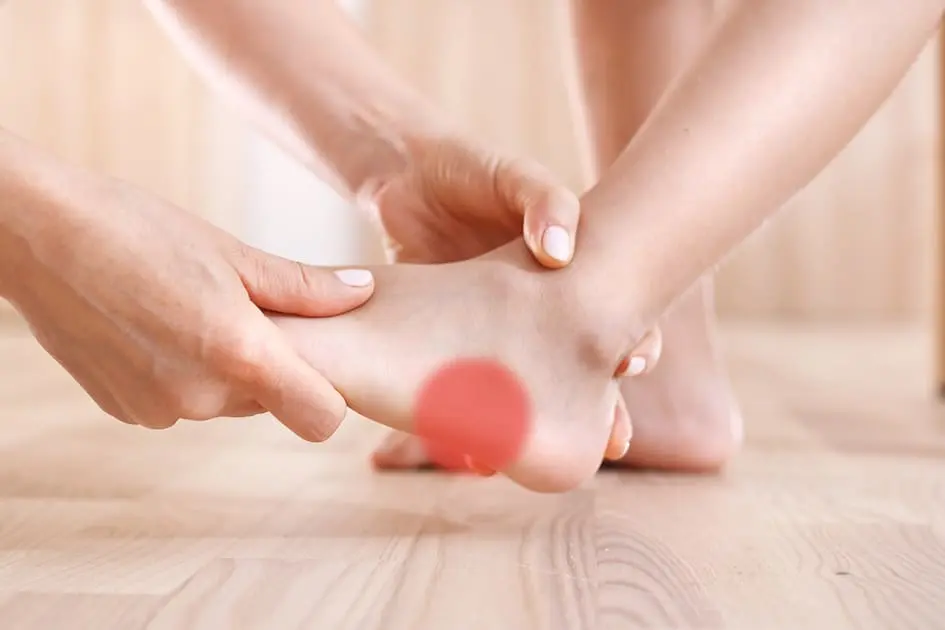
The hallmark symptom of Iselin’s Disease is pain on the lateral (outer) side of the foot, specifically at the base of the fifth metatarsal. This pain is often aggravated by running, jumping, or playing sports and tends to improve with rest.
Common symptoms include:
- Localized pain at the outer mid-foot.
- Swelling or redness at the base of the fifth metatarsal.
- Limping or altered walking pattern in children.
- Tenderness when pressing on the affected bone.
- Discomfort when wearing tight shoes, especially around the lateral foot.
- Stiffness or pain while turning the foot outward (eversion).
Because the symptoms may mimic other conditions such as an ankle sprain or a fracture, professional evaluation is essential. At DMPhysios in Noida, clinicians carefully assess these signs to differentiate Iselin’s Disease from other injuries and provide accurate diagnosis.
Types of Iselin’s Disease
While Iselin’s Disease does not have distinct subtypes like some conditions, it may be categorized based on severity or presentation:
- Mild Iselin’s Disease – Pain only occurs after intense activity and subsides with rest.
- Moderate Iselin’s Disease – Persistent pain even during daily activities like walking.
- Severe Iselin’s Disease – Continuous pain with significant difficulty in weight-bearing, often requiring medical and physiotherapy intervention.
Understanding the stage of Iselin’s Disease helps physiotherapists at DMPhysios design appropriate rehabilitation protocols tailored to each patient’s needs.
Causes
The primary cause of Iselin’s Disease is repetitive traction stress on the growth plate of the fifth metatarsal bone. During growth spurts, bones grow faster than muscles and tendons can adapt, leading to increased pulling forces at the bone–tendon junction.
Key contributing factors include:
- Overuse from running, jumping, or sports activities.
- Rapid growth during adolescence.
- Tight calf or peroneal muscles increasing stress on the growth plate.
- Poor footwear lacking proper support.
- Frequent participation in high-impact sports such as football, basketball, dance, or gymnastics.
Risk Factors
Children and adolescents are most at risk of developing Iselin’s Disease, particularly if they fall under the following categories:
- Age Group: 9–14 years, when growth plates are most active.
- Gender: Slightly more common in boys, due to higher participation in sports.
- Sports Involvement: Football, basketball, running, and ballet dancers are at higher risk.
- Flat Feet or Foot Misalignments: Altered biomechanics can increase stress at the fifth metatarsal.
- Inadequate Warm-up: Sudden intense activity without proper stretching.
- Previous Foot Injuries: Prior sprains or foot trauma may predispose children to Iselin’s Disease.
Clinics like DMPhysios in Noida, with expertise in managing sports-related conditions, frequently encounter young athletes presenting with these risk factors and offer specialized care to ensure complete recovery.
Treatment
The treatment for Iselin’s Disease is usually conservative and aims at reducing pain, controlling inflammation, and preventing recurrence. Early diagnosis ensures faster recovery and avoids chronic complications.
General treatment approaches include:
- Rest: Temporary avoidance of sports or weight-bearing activities.
- Ice Therapy: Applying ice packs reduces inflammation and swelling.
- Footwear Modification: Wearing supportive shoes with soft padding helps relieve pressure.
- Medications: Non-steroidal anti-inflammatory drugs (NSAIDs) may be prescribed for pain relief.
- Immobilization (in severe cases): Use of walking boots or supportive strapping.
However, the cornerstone of recovery lies in physiotherapy, which not only treats symptoms but also addresses biomechanical imbalances and prevents recurrence.
Physiotherapy Treatment
At DMPhysios in Noida, physiotherapy plays a central role in managing Iselin’s Disease. With their patient-centered rehabilitation approach, the focus is not only on reducing pain but also on restoring strength, mobility, and long-term foot health.
1. Pain Relief and Acute Management
- Ice massage or cryotherapy to reduce localized swelling.
- Ultrasound therapy or TENS (Transcutaneous Electrical Nerve Stimulation) for pain modulation.
- Gentle soft tissue mobilization around the peroneal muscles to reduce strain.
2. Stretching Exercises
Since tight muscles increase stress on the growth plate, stretching is essential:
- Calf Stretches (Gastrocnemius and Soleus): Helps relieve pulling forces at the foot.
- Peroneal Muscle Stretch: Targets the tendon attached at the fifth metatarsal.
- Plantar Fascia Stretching: Ensures overall foot flexibility.
3. Strengthening Exercises
Strengthening prevents recurrence by improving muscular support:
- Theraband Foot Eversion: Strengthens peroneal muscles in a controlled manner.
- Toe Curls and Toe Spreading Exercises: Improve intrinsic foot muscle function.
- Heel Raises (progressing to single-leg): Build calf strength and enhance foot stability.
4. Balance and Proprioception Training
Children with Iselin’s Disease often develop compensatory walking patterns. Balance training restores coordination:
- Single-leg stance exercises on stable and unstable surfaces.
- Wobble board or balance pad training.
5. Gait Training
Physiotherapists at DMPhysios focus on correcting abnormal walking patterns. Proper gait retraining reduces undue stress on the fifth metatarsal and ensures smoother return to activities.
6. Functional and Sports-specific Rehabilitation
As pain reduces, progressive return-to-sport programs are introduced:
- Running drills.
- Plyometric training.
- Jumping and cutting maneuvers to restore athletic confidence.
7. Education and Footwear Guidance
- Parents and children are educated about activity modification.
- Recommendation of supportive shoes or custom orthotics to reduce lateral foot strain.
By following these structured physiotherapy protocols, most children recover from Iselin’s Disease within 6–8 weeks and can return to full sports participation without complications.
Prevention
Although Iselin’s Disease is not always avoidable due to growth-related factors, preventive measures can significantly reduce the risk:
- Encourage children to warm up and stretch before physical activity.
- Ensure well-fitted and supportive footwear.
- Avoid sudden increases in training intensity or duration.
- Promote cross-training to reduce repetitive stress.
- Monitor for early signs of pain and address them promptly with rest and physiotherapy.
- Maintain good flexibility of calf and peroneal muscles through regular stretching.
Clinics like DMPhysios in Noida not only treat the condition but also provide preventive physiotherapy programs designed for young athletes, reducing the risk of recurrence.
Conclusion
Iselin’s Disease, though rare, can significantly impact the active lifestyle of children and adolescents if not addressed promptly. The condition is characterized by pain and inflammation at the base of the fifth metatarsal due to repetitive stress on the growth plate. While rest, ice, and footwear modifications are important, physiotherapy remains the cornerstone of recovery.
At DMPhysios in Noida, with their expertise in managing spine and sports conditions through patient-centered rehabilitation, children receive individualized care aimed at pain relief, functional recovery, and long-term prevention.If your child is experiencing persistent foot pain or difficulty in sports activities, don’t ignore the signs. Early diagnosis and physiotherapy can make all the difference. Book a consultation with DMPhysios today to ensure a safe and speedy recovery from Iselin’s Disease.