Overview
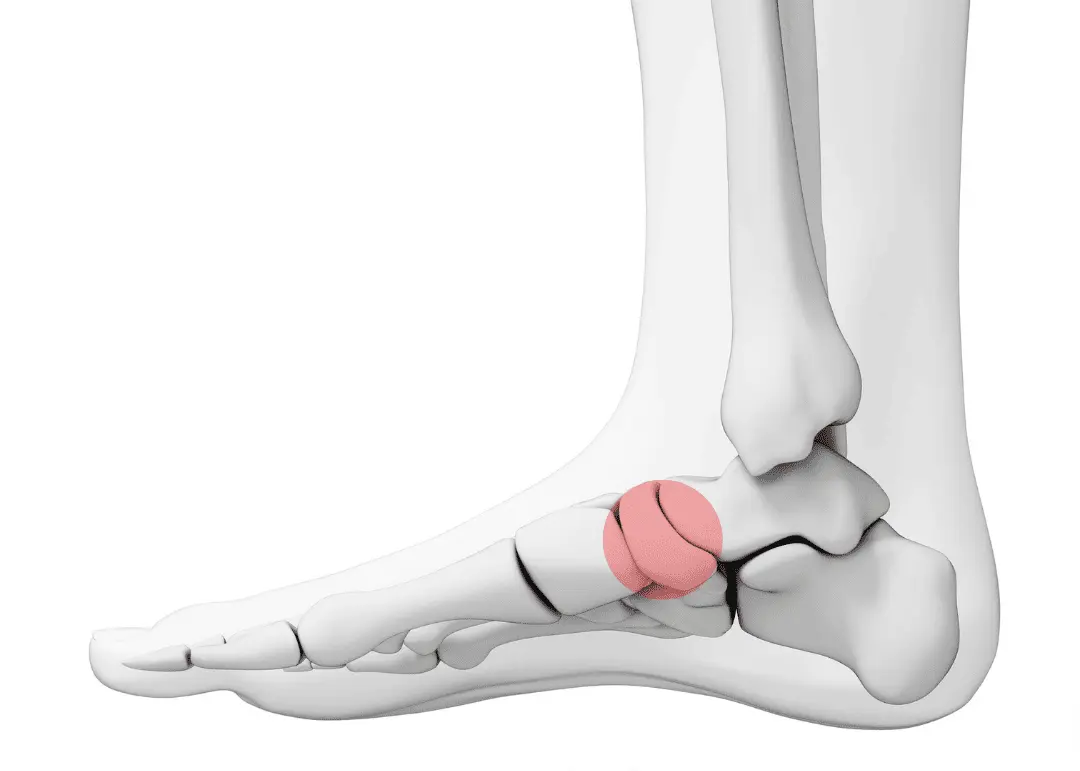
Kohler’s Disease is a relatively rare yet important orthopedic condition that specifically affects the midfoot, targeting the navicular bone. This small but crucial bone plays a significant role in maintaining the structure and function of the foot’s arch. The condition is most commonly seen in children, particularly between the ages of 3 and 7, and research shows that it tends to affect boys more often than girls. Kohler’s Disease is categorized under a group of developmental bone disorders called osteochondroses, which occur when the normal blood supply to a growing bone is interrupted, leading to temporary bone damage.
In the case of Kohler’s Disease, the navicular bone — which is one of the last bones in the foot to ossify (or harden) during growth — becomes especially vulnerable. When the blood supply to this bone is compromised, it can result in avascular necrosis, a condition where bone tissue dies due to lack of circulation. This causes the navicular bone to weaken, flatten, and lose its normal shape. While this process often corrects itself gradually as the bone revascularizes and remodels, the temporary changes can lead to significant discomfort, difficulty in walking, and altered movement patterns in children.
Although Kohler’s Disease usually resolves over time, the pain and mobility issues it creates during the active phase can disrupt a child’s daily activities, play, and overall development. This makes early recognition and management crucial.
At DMPhysios, a trusted physiotherapy clinic in Noida specializing in spine and sports-related conditions, children with Kohler’s Disease receive dedicated, patient-centered care. The rehabilitation programs at DMPhysios are designed not only to reduce pain but also to restore normal movement, strengthen the supporting muscles of the foot, and prevent long-term complications. With a holistic and child-friendly approach, the clinic ensures that young patients recover comfortably while parents are guided on the best ways to support their child’s healing journey.
Symptoms
The symptoms of Kohler’s Disease can vary in severity, but common signs include:
- Foot pain: Often localized to the arch or midfoot region, particularly over the navicular bone.
- Tenderness and swelling: The affected area may become sensitive to touch and appear slightly swollen.
- Limping: A child may develop an antalgic gait (limp) to avoid putting pressure on the painful foot.
- Weight-bearing difficulties: Pain intensifies when walking or standing, and children may avoid physical activity.
- Warmth over the bone: Some children may experience warmth over the navicular bone due to localized inflammation.
Parents may notice that their child prefers to walk on the outer edge of the foot or avoids wearing shoes because of discomfort. Recognizing these symptoms early is important to ensure proper diagnosis and treatment.
Types of Kohler’s Disease
Unlike some other osteochondroses that may present in different subtypes, Kohler’s Disease is typically classified as a single condition involving the navicular bone. However, medical literature sometimes distinguishes between:
- Kohler’s Disease I: Refers to the condition in children affecting the navicular bone.
- Kohler’s Disease II: Refers to Freiberg’s disease, which affects the metatarsal head (a different location).
When we talk about Kohler’s Disease in clinical practice, it almost always refers to the pediatric condition of the navicular bone.
Causes
The exact cause of Kohler’s Disease remains unclear, but medical experts believe it arises due to:
- Interrupted blood supply: The navicular bone is prone to avascular necrosis during development because it ossifies later than surrounding bones.
- Compression from surrounding bones: As other foot bones harden earlier, they exert mechanical pressure on the still-soft navicular bone, compromising circulation.
- Genetic predisposition: Family history of osteochondroses may increase the risk.
- Mechanical stress: Excessive running, jumping, or walking during bone development may exacerbate the condition.
Risk Factors
Certain factors may increase the likelihood of developing Kohler’s Disease, including:
- Age: Most common between 3 and 7 years.
- Gender: Boys are about five times more likely to develop the condition.
- Foot structure: Flat feet or abnormal biomechanics may increase stress on the navicular bone.
- Repetitive stress activities: Children engaged in high levels of running and jumping may be at greater risk.
- Family history: Genetic susceptibility to osteochondroses.
Treatment
The good news is that Kohler’s Disease is a self-limiting condition, meaning it often resolves on its own as the bone revascularizes and remodels. However, treatment is essential to relieve pain, support mobility, and prevent long-term deformities.
Common treatment approaches include:
- Rest and activity modification
- Limiting high-impact activities like running and jumping reduces strain on the navicular bone.
- Immobilization
- A short leg cast or walking boot may be used for several weeks to allow healing and reduce pressure on the affected foot.
- Pain management
- Non-steroidal anti-inflammatory drugs (NSAIDs) may be prescribed for pain relief.
- Supportive footwear
- Well-cushioned shoes or custom orthotics provide arch support and reduce strain.
- Physiotherapy
- Essential for restoring strength, flexibility, and proper foot biomechanics after immobilization.
At DMPhysios, physiotherapists develop personalized treatment programs for children with Kohler’s Disease, ensuring pain relief, safe mobility, and a return to normal activity levels without complications.
Physiotherapy Treatment
Physiotherapy plays a central role in the management of Kohler’s Disease. Once acute pain subsides, rehabilitation ensures the child regains strength, flexibility, and confidence in movement.
Goals of Physiotherapy:
- Relieve pain and swelling
- Restore foot mobility and flexibility
- Strengthen the muscles supporting the arch
- Correct abnormal gait patterns
- Prevent recurrence or long-term deformity
Physiotherapy Interventions:
- Pain Relief Techniques
- Ice therapy to reduce swelling and discomfort.
- Gentle massage and soft tissue mobilization around the foot.
- Range of Motion (ROM) Exercises
- Ankle circles and alphabet exercises to restore mobility in the ankle and midfoot.
- Gentle stretching of the Achilles tendon and plantar fascia to improve flexibility.
- Strengthening Exercises
- Toe curls with a towel to strengthen intrinsic foot muscles.
- Marble pickups to engage small stabilizing muscles of the arch.
- Calf raises (progressive) to strengthen the gastrocnemius and soleus.
- Theraband resistance exercises for ankle strengthening.
- Balance and Proprioception Training
- Standing on one foot (progressed to unstable surfaces).
- Use of balance boards to improve neuromuscular control.
- Gait Training
- Correcting limping patterns through guided walking drills.
- Teaching proper foot placement and weight distribution.
- Orthotic Support
- Recommendation for arch supports or custom orthotics when necessary.
- Progressive Return to Activity
- Gradual reintroduction of running, jumping, and sports under physiotherapist supervision.
The physiotherapy approach at DMPhysios in Noida focuses not only on addressing the immediate pain of Kohler’s Disease but also on long-term rehabilitation. Their patient-centered rehab model ensures that each child is guided step-by-step, with parents educated on home exercise programs and preventive strategies.
Prevention
Since Kohler’s Disease is largely developmental and related to the natural ossification process, it cannot always be prevented. However, certain strategies can minimize risks and complications:
- Encourage appropriate footwear: Well-fitted, cushioned shoes support proper biomechanics.
- Avoid excessive stress: Limit prolonged high-impact activities in very young children.
- Promote balanced physical activity: Encourage varied exercises rather than repetitive, high-strain movements.
- Early physiotherapy consultation: At the first sign of foot pain or limping, consulting clinics like DMPhysios in Noida ensures early diagnosis and timely intervention.
- Maintain healthy weight: Preventing obesity reduces undue stress on developing bones.
Conclusion
Kohler’s Disease, while rare, is an important pediatric foot condition that can cause pain, limping, and difficulties in daily activities. Thankfully, with timely diagnosis, proper medical management, and structured physiotherapy, most children recover fully without lasting problems.
Parents should be aware of symptoms such as persistent foot pain, limping, or swelling in the midfoot. Early medical and physiotherapy intervention not only relieves discomfort but also ensures proper foot development.
At DMPhysios, a leading physiotherapy clinic in Noida for spine and sports conditions, children with Kohler’s Disease are provided with comprehensive, patient-centered rehabilitation. Their team of expert physiotherapists focuses on restoring mobility, strength, and confidence so that young patients can return to normal activities safely.If your child shows signs of Kohler’s Disease or experiences persistent foot pain, don’t delay. Reach out to DMPhysios in Noida today for expert assessment, guidance, and a personalized treatment plan. Early care is the key to lifelong healthy movement.