Overview
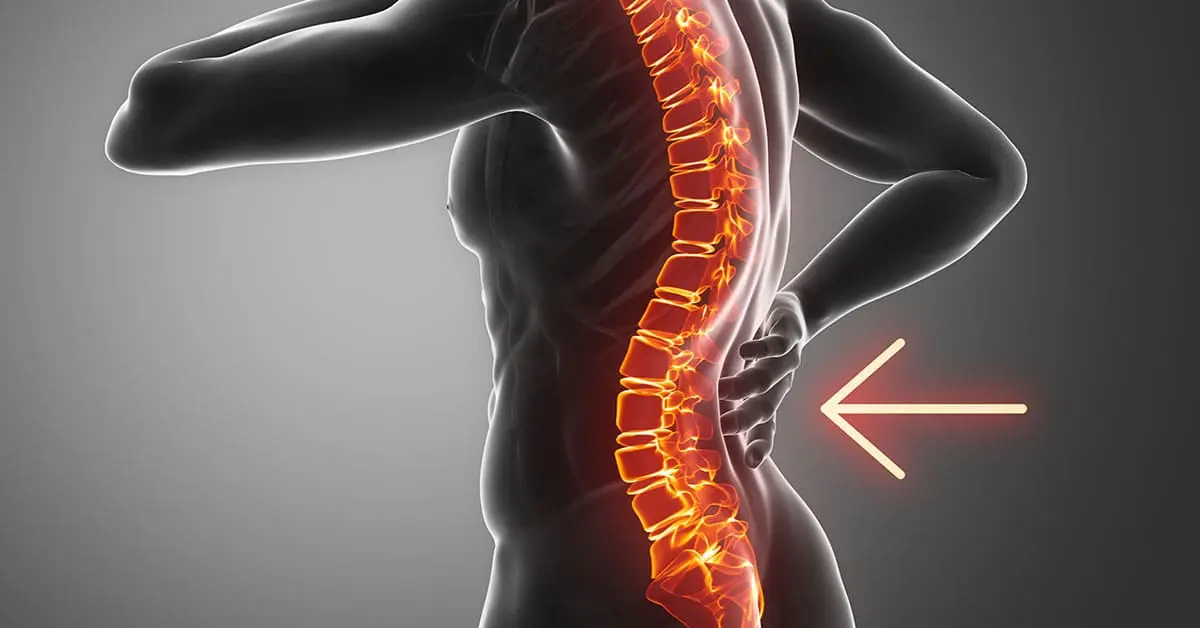
Lordosis refers to the natural inward curve of the spine, most prominently seen in the lumbar (lower back) and cervical (neck) areas. This gentle curve is not only normal but also vital for the spine’s optimal function—it plays a key role in maintaining upright posture, distributing mechanical stress during movement, preserving balance, and absorbing shock as we perform daily activities like walking, running, lifting, or sitting.
However, when this inward spinal curve becomes overly accentuated, it leads to a condition known as hyperlordosis. This exaggerated spinal alignment can lead to visible postural abnormalities, such as an excessively arched lower back or forward head posture. More importantly, it can place undue stress on the surrounding muscles, ligaments, and intervertebral discs, potentially leading to chronic discomfort, pain, reduced flexibility, and even nerve compression in severe cases.
It can present in different forms based on its origin. It may be structural, stemming from congenital spine anomalies or conditions such as spondylolisthesis and disc degeneration. Alternatively, it may be postural, arising from poor lifestyle habits, prolonged sitting, muscular imbalances, or lack of core stability. In both instances, early recognition, accurate assessment, and guided rehabilitation are essential to prevent the progression of the curve and avoid complications related to spine mechanics and function.
At DMPhysios, a leading physiotherapy clinic in Noida dedicated to spine and sports conditions, we take a patient-centered, biomechanical approach to managing conditions like lordosis. Our team of experienced physiotherapists begins with a thorough evaluation of each patient’s spinal alignment, movement patterns, muscular health, and lifestyle. Based on this assessment, we develop a personalized rehabilitation plan aimed at correcting the abnormal curvature, strengthening the supporting musculature, improving posture, and ultimately restoring pain-free movement.
Whether the lordosis is mild and posture-related or more severe and structural, the expert care at DMPhysios ensures that patients receive holistic, evidence-based treatment designed to improve both spinal health and overall well-being.
Symptoms of Lordosis
The symptoms of lordosis can vary depending on the severity of the curvature and its underlying cause. Although mild lordosis often goes unnoticed, moderate to severe cases can interfere with daily activities and overall quality of life.
Common symptoms include:
- An excessive inward curvature in the lumbar or cervical spine
- Visible arching of the lower back when standing
- Back pain or discomfort, especially after prolonged standing or walking
- Tightness or stiffness of muscles in the lower back region
- Limited flexibility or reduced range of motion
- Difficulty maintaining proper posture
- In more severe instances, compressed nerves may lead to symptoms such as tingling, numbness, or weakness in the legs
At DMPhysios, our team conducts a thorough assessment to identify the specific symptoms of lordosis, ensuring accurate diagnosis and effective treatment planning.
Types of Lordosis
Lordosis can manifest in different forms, depending on the affected region and its underlying pathology:
1. Lumbar Lordosis
This is the most prevalent type of lordosis, primarily affecting the lumbar spine or lower back. It’s typically associated with muscular imbalances, poor posture, or degenerative spinal changes.
2. Cervical Lordosis
This affects the neck and is less common but equally concerning. It may result from trauma, spinal disc degeneration, or congenital conditions.
3. Postural Lordosis
Often reversible, this type results from poor posture, sedentary lifestyle, or muscular weakness, especially in the abdominal and gluteal muscles.
4. Congenital Lordosis
Present at birth as a result of spinal deformities or underlying neuromuscular conditions. This form usually requires early intervention and long-term management.
5. Neuromuscular Lordosis
Seen in individuals with neuromuscular conditions like muscular dystrophy or cerebral palsy. Muscle weakness leads to an abnormal spinal curve.
Regardless of the type, timely intervention at a specialized clinic like DMPhysios can prevent progression and help restore normal spinal mechanics.
Causes of Lordosis
There are multiple factors that can lead to the development of lordosis, ranging from poor lifestyle habits to congenital issues.
Common causes include:
- Muscle Imbalance: Weak abdominal and gluteal muscles coupled with tight hip flexors and lower back muscles contribute to postural lordosis.
- Poor Posture: Prolonged sitting, slouching, or improper lifting techniques can alter spinal alignment.
- Obesity: Excess abdominal fat pulls the pelvis forward, increasing lumbar curvature.
- Spondylolisthesis: A spinal condition where one vertebra slips over another, altering spinal alignment.
- Pregnancy: Temporary lordosis due to weight gain and center of gravity shift.
- Disc degeneration: Age-related changes in spinal discs can lead to abnormal curvature.
- Congenital or developmental disorders: Including muscular dystrophy or achondroplasia.
At DMPhysios, we perform a root-cause analysis to determine what’s contributing to the patient’s lordosis and build a rehabilitation program accordingly.
Risk Factors
Various risk factors can elevate the chances of developing lordosis:
- Sedentary lifestyle
- Obesity
- Improper exercise form
- Occupational habits (e.g., prolonged standing or sitting)
- Genetics or congenital spine deformities
- Lack of core and hip strength
- Previous spinal injuries
Recognizing these risk factors early and addressing them with guided physiotherapy at DMPhysios can help prevent lordosis or manage its symptoms effectively.
Treatment
Treatment for lordosis depends on its severity, underlying cause, age, and presence of symptoms. In most cases, conservative (non-surgical) management is effective, especially when initiated early.
1. Medical Management
- Pain Relief: NSAIDs or muscle relaxants may be prescribed for short-term pain management.
- Bracing: In children or teens with structural lordosis, braces may help halt progression.
- Surgical Intervention: Reserved for severe cases involving spinal deformities, nerve compression, or non-responsiveness to conservative care.
However, the cornerstone of managing lordosis remains physiotherapy, particularly patient-specific rehab protocols like those offered at DMPhysios, Noida.
Physiotherapy Treatment
At DMPhysios, our physiotherapy approach for lordosis is comprehensive, evidence-based, and patient-centric. We believe in empowering patients with knowledge, movement, and strength to overcome spinal dysfunctions.
1. Initial Assessment
Our team conducts:
- Postural analysis
- Range of motion testing
- Muscle strength evaluation
- Functional mobility tests
- Gait analysis (if needed)
2. Correction of Postural Imbalances
- Pelvic Tilt Control: Exercises to neutralize anterior pelvic tilt using core and glute engagement.
- Spinal Stabilization Training: Emphasis on deep core muscles (transversus abdominis, multifidus).
3. Strengthening Weak Muscles
- Abdominals (especially lower abs) – dead bugs, reverse crunches
- Gluteal muscles – bridges, clamshells, monster walks
- Thoracic extensors – prone Y/T/W exercises
4. Stretching Tight Muscles
- Hip flexors (iliopsoas) – kneeling hip flexor stretch
- Lower back muscles (erector spinae) – child’s pose, cat-cow
- Quadriceps and tensor fascia lata
5. Functional Training
- Movement re-education with functional exercises
- Ergonomic advice for workplace setup
- Gait and balance correction
6. Manual Therapy Techniques
- Soft tissue mobilization for tight lumbar muscles
- Joint mobilizations (if indicated)
7. Patient Education and Home Program
- Understanding spine mechanics
- Lifestyle modifications
- Daily exercises tailored for home use
Our Noida-based clinic, DMPhysios, is equipped with modern equipment, a skilled team of physiotherapists, and a patient-first approach. We don’t just treat symptoms; we address the underlying dysfunction to help patients regain control and confidence in their movement.
Prevention of Lordosis
Preventing lordosis involves a combination of proper posture, physical fitness, and awareness of spinal health.
Tips for prevention:
- Maintain a strong core and glutes through regular strength training
- Stretch regularly, especially hip flexors and lumbar extensors
- Avoid prolonged sitting and take posture breaks every 30–60 minutes
- Use ergonomic furniture at work and home
- Avoid high heels or unsupported footwear
- Practice good lifting techniques—bend from hips and knees, not back
- Engage in physiotherapy maintenance programs if you’re at risk
At DMPhysios, we not only treat lordosis but also provide preventive care and education to ensure long-term spinal health.
Conclusion
Lordosis is more than just an exaggerated curve—it’s a sign that your spine may be under stress due to muscular imbalance, lifestyle factors, or deeper structural issues. Left untreated, it can lead to chronic pain, reduced mobility, and a compromised quality of life.
Early intervention, proper diagnosis, and individualized treatment are key—and that’s exactly what DMPhysios offers. Our Noida-based clinic stands as a beacon of hope for individuals dealing with lordosis and other spine or sports-related conditions. Our team of physiotherapists is trained to deliver evidence-based, patient-centered rehabilitation that not only alleviates pain but restores optimal function.
If you or a loved one is struggling with lordosis—don’t wait.