Overview
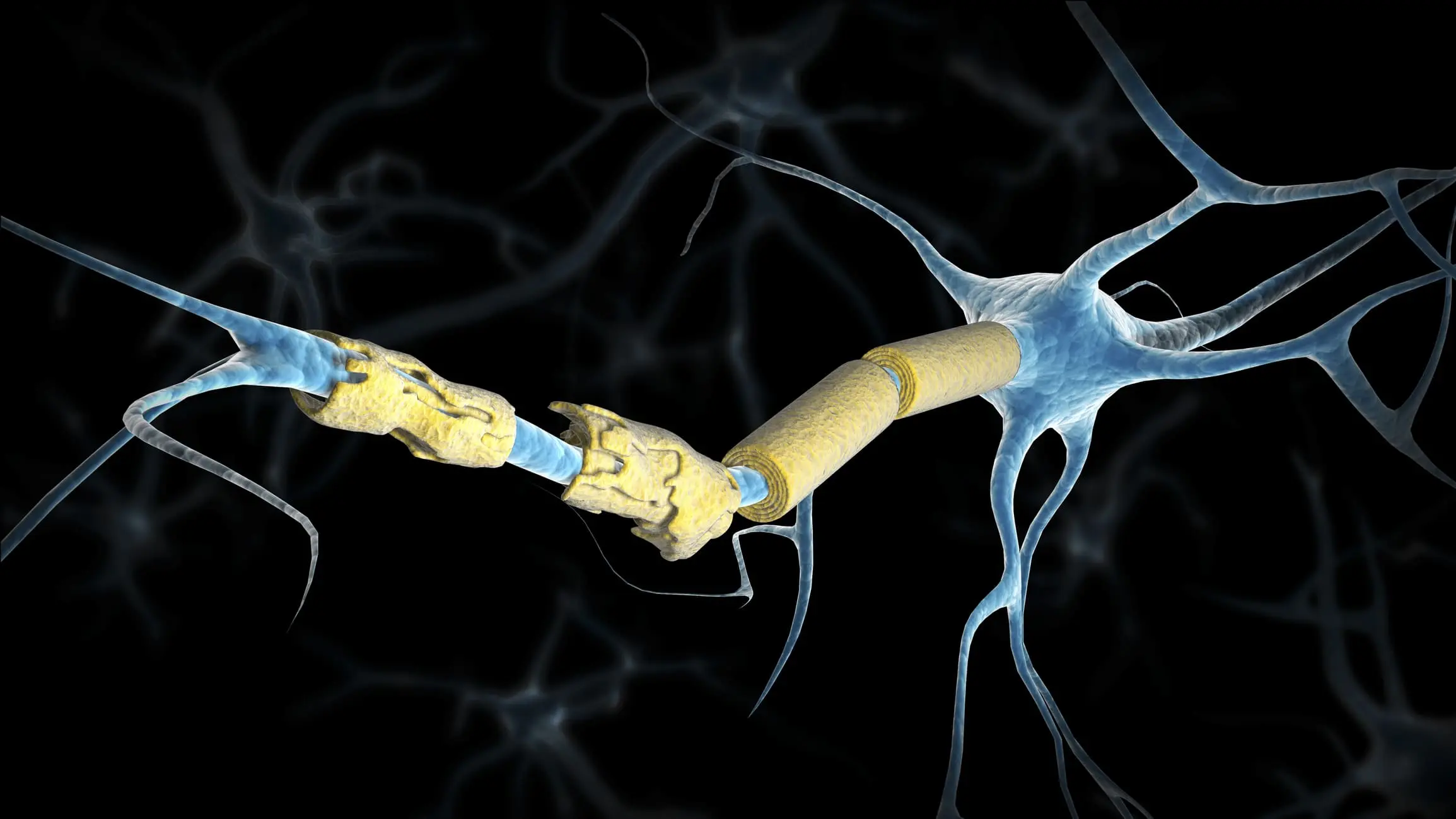
Multiple Sclerosis (MS) is a chronic, often disabling disease that affects the central nervous system (CNS), which comprises the brain and spinal cord. It occurs when the immune system mistakenly attacks the protective covering of nerve fibers—called myelin—resulting in inflammation and subsequent damage. This disrupts the normal flow of electrical impulses along the nerves, leading to a wide range of neurological symptoms.
Multiple sclerosis can manifest in different ways in different people. Some may experience mild symptoms such as numbness or tingling, while others may face significant impairments such as paralysis or loss of vision. While there is no known cure for multiple sclerosis, various treatments—including physiotherapy—can help manage symptoms and improve quality of life.
At DMPhysios, a leading physiotherapy clinic located in Noida, we provide patient-centered rehabilitation for individuals battling multiple sclerosis. Our approach combines clinical expertise with personalized care to empower patients on their journey to better health.
Symptoms of Multiple Sclerosis
Symptoms of multiple sclerosis vary depending on the extent of nerve damage and which part of the CNS is affected. These symptoms can be unpredictable and may worsen over time or occur intermittently.
Common symptoms include:
- Fatigue: One of the most prevalent symptoms, often interfering with daily tasks.
- Numbness or tingling: Usually in the face, body, arms, or legs.
- Vision problems: Including blurred or double vision, or even temporary vision loss.
- Muscle weakness or spasms: Often seen in the legs, leading to mobility issues.
- Balance and coordination problems: Resulting in frequent falls or unsteady walking.
- Cognitive changes: Difficulty concentrating, memory issues, or slowed thinking.
- Bladder and bowel dysfunction
- Depression and mood swings
- Speech and swallowing difficulties
Since multiple sclerosis is a progressive neurological condition, early detection and intervention can make a significant difference in how the disease is managed.
Types of Multiple Sclerosis
There are four main types of multiple sclerosis, each with distinct progression patterns:
- Clinically Isolated Syndrome (CIS):
A first episode of neurological symptoms caused by inflammation and demyelination in the CNS. It may or may not develop into MS. - Relapsing-Remitting MS (RRMS):
The most common form, characterized by clearly defined attacks (relapses) followed by periods of partial or complete recovery (remissions). - Secondary Progressive MS (SPMS):
Initially begins as RRMS but eventually transitions into a progressive form with worsening neurological function over time. - Primary Progressive MS (PPMS):
Involves steady progression of disability without clear relapses or remissions.
Understanding the type of multiple sclerosis is crucial for tailoring a treatment plan that is both effective and sustainable. At DMPhysios, our physiotherapy specialists assess the type and stage of MS before initiating a targeted rehab program.
Causes
The exact cause of multiple sclerosis remains unknown, but several theories and factors are believed to contribute:
- Autoimmune Response: The immune system attacks healthy tissues—in this case, the myelin sheath covering the nerves.
- Genetic Susceptibility: A family history of MS slightly increases the risk.
- Environmental Triggers: Low vitamin D levels, smoking, and viral infections (like Epstein-Barr virus) have been linked to the onset of MS.
Although the direct cause of multiple sclerosis is elusive, it is understood that a complex interplay of environmental and genetic factors contributes to the disease process.
Risk Factors
Several factors may increase the risk of developing multiple sclerosis:
- Age: Most diagnoses occur between ages 20 and 50.
- Gender: Women are more than twice as likely to develop MS than men.
- Genetics: Having a first-degree relative with MS increases the risk.
- Infections: Certain viruses may trigger MS.
- Climate: MS is more common in temperate climates.
- Smoking: Increases the risk and accelerates disease progression.
- Vitamin D deficiency: Has been linked with higher MS prevalence.
At DMPhysios, understanding a patient’s risk profile allows us to deliver proactive care and educate patients about prevention strategies.
Treatment
Though multiple sclerosis has no definitive cure, several treatments are available to manage its progression and symptoms:
- Medications:
- Disease-Modifying Therapies (DMTs): These help slow the progression of the disease and reduce relapses.
- Corticosteroids: Used to reduce inflammation during acute relapses.
- Symptomatic treatments: Medications for muscle spasms, fatigue, depression, and bladder problems.
- Lifestyle Modifications:
- Balanced diet
- Regular physical activity
- Stress management techniques
- Smoking cessation
- Counseling and Psychological Support: Mental health care is essential for managing anxiety, depression, and other emotional challenges related to living with MS.
- Physiotherapy:
One of the most vital components in managing multiple sclerosis—especially in maintaining independence and functionality.
This is where DMPhysios in Noida plays a critical role, offering specialized rehabilitation programs tailored for individuals with MS.
Physiotherapy Treatment
At DMPhysios, we believe that physiotherapy is not just a supportive treatment—it’s an essential pillar in the holistic care of individuals with multiple sclerosis. Our patient-centered rehabilitation programs are designed to enhance mobility, alleviate symptoms, and promote independence.
Key Goals of Physiotherapy in MS:
- Improve strength and flexibility
- Enhance balance and coordination
- Reduce fatigue
- Prevent secondary complications (e.g., contractures, joint stiffness)
- Improve posture and gait
- Promote neuroplasticity and functional recovery
Common Physiotherapy Techniques Used at DMPhysios:
- Neuro-Rehabilitation Techniques:
- PNF (Proprioceptive Neuromuscular Facilitation): Helps retrain movement patterns.
- Bobath Concept: Emphasizes normal movement patterns and posture.
- Motor Relearning Program: Encourages practice of functional tasks.
- Gait Training:
- Use of assistive devices (walkers, canes)
- Treadmill therapy
- Visual and auditory cueing
- Balance and Coordination Exercises:
- Static and dynamic balance tasks
- Use of balance boards, BOSU balls
- Dual-task training to improve real-life balance scenarios
- Strength and Resistance Training:
- Focus on core, lower limb, and upper limb strength
- Use of resistance bands, bodyweight, or machines
- Stretching and Flexibility Training:
- Targeting spastic muscles
- Preventing contractures
- Promoting joint range of motion
- Fatigue Management Techniques:
- Energy conservation education
- Pacing strategies
- Functional task modification
- Aquatic Therapy:
- Reduces load on joints
- Improves mobility and reduces spasticity
- Patient and Family Education:
- Emphasizing home exercise programs
- Ergonomic advice and fall prevention strategies
At DMPhysios, every physiotherapy plan for multiple sclerosis is customized based on the patient’s symptoms, disease progression, and functional goals. Our Noida-based clinic provides a supportive environment where patients feel empowered to regain control over their physical health.
Prevention
While there is no guaranteed way to prevent multiple sclerosis, the following steps may reduce risk and potentially slow its progression:
- Maintain optimal Vitamin D levels
- Avoid smoking and second-hand smoke
- Adopt a healthy diet and active lifestyle
- Manage stress effectively
- Treat infections promptly
- Stay updated with routine check-ups
Early intervention and awareness can go a long way. If you experience any persistent neurological symptoms, consult a healthcare professional for timely evaluation.
Conclusion
Multiple sclerosis is a complex and challenging condition, but with the right approach, individuals can lead fulfilling and productive lives. The combination of medical treatment, lifestyle changes, and dedicated physiotherapy can significantly enhance the quality of life for people living with MS.
At DMPhysios, our team of experts in Noida is committed to providing patient-centered rehabilitation programs for individuals with multiple sclerosis. Whether you’re newly diagnosed or seeking long-term support, our goal is to help you achieve optimal function, independence, and wellbeing.
If you or a loved one is dealing with multiple sclerosis, don’t wait. Reach out to DMPhysios today to begin a personalized, compassionate, and expert-driven rehabilitation journey.