Overview
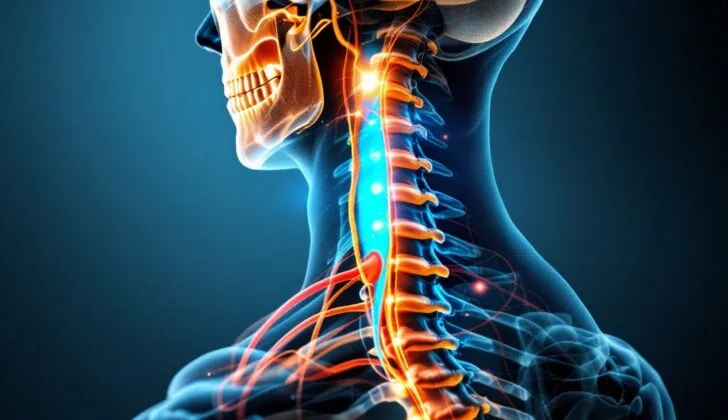
Myelopathy is a term used to describe any neurological disorder that affects the spinal cord, often leading to a wide range of functional impairments. It typically arises from compression or injury to the spinal cord due to various underlying causes such as age-related degenerative changes, traumatic incidents, spinal tumors, infections, or chronic inflammatory conditions like rheumatoid arthritis. As the spinal cord serves as the main communication pathway between the brain and the rest of the body, even slight damage can have widespread and lasting effects on motor function, sensation, balance, and autonomic control.
One of the concerning aspects of myelopathy is its progressive nature. In the absence of timely diagnosis and appropriate intervention, it can gradually worsen, leading to significant disability and a decline in the overall quality of life. Early symptoms such as mild weakness or numbness may go unnoticed or be mistaken for routine fatigue or strain, but as the condition advances, it can result in severe gait disturbances, coordination issues, loss of hand dexterity, and even bladder or bowel dysfunction.
Despite the wide variety of causes and presentations, the unifying feature of all types of myelopathy is damage to the spinal cord itself. This damage disrupts the normal transmission of signals between the brain and body, impairing movement, sensation, and reflexes. Because of this complexity, effective management requires a comprehensive and personalized treatment approach.
At DMPhysios, a renowned spine and sports rehabilitation clinic based in Noida, we understand the profound and far-reaching impact that myelopathy can have on daily life. From struggling with simple tasks to losing independence in mobility, patients often face both physical and emotional challenges. That’s why our clinic focuses on delivering patient-centered rehabilitation, combining clinical expertise, advanced physiotherapy techniques, and compassionate care. Whether the condition stems from degenerative spine disease, injury, or post-surgical complications, our multidisciplinary team ensures each patient receives a tailored plan that addresses not just symptoms but the root cause—paving the way for long-term recovery and improved functionality.
Symptoms of Myelopathy
The symptoms of myelopathy depend on the level of spinal cord involvement—cervical (neck), thoracic (mid-back), or lumbar (lower back). Because the spinal cord is central to transmitting signals between the brain and the body, even minor compression can lead to significant deficits.
Common symptoms include:
- Neck or back pain: Especially in the cervical region for cervical myelopathy.
- Weakness: In the arms, hands, legs, or feet.
- Numbness or tingling: Often radiating along the limbs.
- Gait disturbances: Unsteady walking, balance issues, or frequent falls.
- Loss of fine motor skills: Difficulty buttoning shirts, writing, or handling small objects.
- Bladder or bowel dysfunction: Urgency, incontinence, or retention.
- Spasticity or muscle stiffness
In severe cases, myelopathy can lead to partial or complete paralysis if not diagnosed and managed promptly.
Types of Myelopathy
Myelopathy is broadly categorized based on the location and underlying cause of the spinal cord compression or dysfunction.
1. Cervical Myelopathy
- The most common type, affecting the neck portion of the spinal cord.
- Symptoms often include neck stiffness, hand clumsiness, and gait imbalance.
2. Thoracic Myelopathy
- Occurs in the middle back.
- May lead to lower limb weakness, balance issues, and trunk instability.
3. Lumbar Myelopathy
- Though the spinal cord ends at L1-L2, lumbar myelopathy is rare but can result from conditions affecting the conus medullaris or cauda equina.
4. Compressive Myelopathy
- Caused by external pressure from a herniated disc, tumor, or spondylosis.
5. Non-compressive Myelopathy
- Includes conditions like transverse myelitis, multiple sclerosis, or vitamin B12 deficiency.
Causes of Myelopathy
There are various causes of myelopathy, most of which involve either direct compression of the spinal cord or degeneration of its internal structures.
Common causes include:
- Degenerative Disc Disease
- Cervical spondylosis or spinal osteoarthritis
- Herniated or bulging discs
- Spinal tumors (benign or malignant)
- Trauma (e.g., whiplash, vertebral fractures)
- Spinal stenosis – narrowing of the spinal canal
- Inflammatory diseases like rheumatoid arthritis or ankylosing spondylitis
- Infections – tuberculosis, abscesses, or viral myelitis
- Vascular disorders leading to spinal cord infarction
- Vitamin B12 deficiency or other metabolic disorders
At DMPhysios, our team of spine experts closely evaluates each patient to pinpoint the exact cause of myelopathy, ensuring an accurate diagnosis and effective treatment plan.
Risk Factors
Certain factors increase the likelihood of developing myelopathy, especially degenerative forms:
- Age above 50 years
- History of neck or back injury
- Sedentary lifestyle
- Poor posture
- Smoking and alcohol use
- Genetic predisposition
- Untreated spinal deformities such as scoliosis or kyphosis
- Chronic inflammatory diseases
Treatment Options for Myelopathy
Treatment of myelopathy depends on its severity, cause, and progression. Early intervention significantly improves prognosis and limits neurological damage.
1. Medical Management
- Pain medications – NSAIDs or muscle relaxants.
- Steroids – To reduce inflammation.
- Antibiotics/Antivirals – For infection-induced myelopathy.
- Vitamin supplementation – Especially for deficiencies like B12-related myelopathy.
2. Surgical Treatment
Surgery is often required when there’s significant compression, instability, or progressive neurological deficits.
Common procedures include:
- Laminectomy or laminoplasty
- Discectomy
- Spinal fusion
- Tumor resection
3. Physiotherapy & Rehabilitation (Critical Component)
Once medical or surgical management is done, physiotherapy becomes the cornerstone of long-term recovery, and that’s where DMPhysios in Noida plays a pivotal role.
Physiotherapy Treatment
Rehabilitation through physiotherapy is essential to restore mobility, reduce pain, enhance function, and prevent further complications. At DMPhysios, our expert team designs a patient-centered rehabilitation plan that evolves based on the patient’s progress and clinical status.
Physiotherapy Goals:
- Improve motor control and coordination
- Reduce spasticity and stiffness
- Strengthen weak muscles
- Improve gait and posture
- Enhance balance and proprioception
- Prevent muscle atrophy
- Promote independence in daily activities
Treatment Phases:
Phase 1: Acute/Post-Surgical Phase
- Pain and inflammation control using modalities such as TENS, ultrasound, cryotherapy.
- Positioning education to reduce pressure on the spine.
- Gentle range of motion (ROM) exercises for unaffected joints.
- Respiratory therapy in thoracic myelopathy cases.
Phase 2: Recovery Phase
- Isometric exercises to maintain muscle strength without spinal movement.
- Progressive resistance training focusing on weakened muscles, especially in the upper and lower limbs.
- Neurodynamic techniques to improve nerve mobility.
- Balance and gait training using parallel bars, treadmills, or assistive devices.
Phase 3: Functional Rehabilitation
- Task-specific training – activities mimicking daily tasks.
- Postural correction using mirror feedback or postural taping.
- Core stabilization exercises – crucial for spinal alignment and preventing re-injury.
- Proprioceptive training – using unstable surfaces to retrain balance.
Advanced Techniques at DMPhysios:
- Manual therapy – spinal mobilizations and myofascial release.
- Hydrotherapy – ideal for patients with severe weakness.
- Robotic-assisted therapy – where applicable, for gait re-education.
- Patient education – ergonomic corrections, lifestyle modification, home exercises.
Through a combination of hands-on therapy and modern equipment, DMPhysios ensures each individual with myelopathy receives optimal, evidence-based care in a supportive, healing environment.
Prevention of Myelopathy
While not all forms of myelopathy are preventable, particularly congenital or trauma-related types, degenerative and lifestyle-related myelopathies can be delayed or managed with appropriate strategies:
Preventive Tips:
- Maintain good posture—especially during prolonged sitting or computer use.
- Engage in regular exercise focusing on core strength and flexibility.
- Avoid smoking and excessive alcohol—which impair spinal disc health.
- Use ergonomic furniture and correct lifting techniques.
- Manage chronic diseases like diabetes and arthritis properly.
- Go for regular spine checkups, especially if you have a family history.
DMPhysios encourages early screening and postural assessments, especially for professionals and athletes, to prevent the onset or progression of myelopathy.
Conclusion
Myelopathy is a serious but manageable condition when detected and treated early. It can significantly impact movement, independence, and overall quality of life if ignored. A comprehensive approach involving medical intervention, surgery (if needed), and most importantly, structured physiotherapy can reverse or limit its progression.
At DMPhysios, Noida’s trusted clinic for spine and sports conditions, we emphasize patient-centered rehabilitation designed for long-term recovery and restored function. Whether you’re facing early signs of myelopathy or recovering post-surgery, our expert team is equipped to walk you through every stage of healing.
Are you or a loved one showing signs of Myelopathy? Don’t wait. Reach out to DMPhysios today.Let’s take the first step toward restoring movement, stability, and strength—because your spine health matters.