Overview
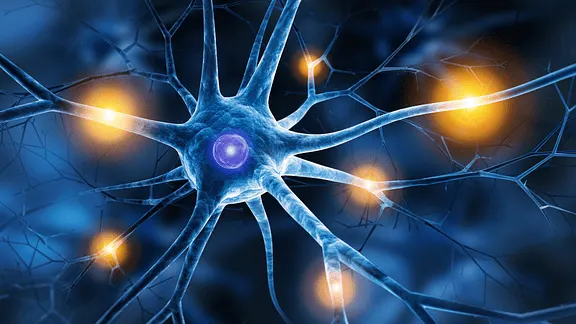
Neural pain, also referred to as neuropathic pain, is a highly complex and often debilitating form of pain that stems from injury, dysfunction, or disease affecting the nervous system itself rather than from direct damage to muscles, ligaments, or other soft tissues. Unlike nociceptive pain—which arises when sensory receptors in the skin or deeper structures detect injury and transmit signals to the brain—neural pain originates within the nerves, spinal cord, or brain.
This means the pain signals are essentially generated or amplified by the nervous system, rather than simply being a response to an external injury. Because of this distinct mechanism, neural pain behaves differently from typical musculoskeletal pain: it may be persistent, disproportionate to the initial injury, difficult to localize, and is frequently described by patients as burning, searing, tingling, shooting, or even electric-shock–like sensations. These unusual qualities often make neural pain challenging to diagnose and manage without specialist care.
At DMPhysios, a premier clinic in Noida renowned for its expertise in spine and sports conditions and for delivering patient-centered rehabilitation, neural pain is recognized as a major barrier to overall well-being and functional independence.
The team at DMPhysios understands that neural pain can significantly disrupt sleep, movement, emotional health, and daily activities, and therefore adopts a truly multidisciplinary approach to assessment and management. Through careful evaluation, evidence-based physiotherapy, ergonomic guidance, and individualized exercise programs, DMPhysios works to address not only the symptoms of neural pain but also the underlying causes—helping each patient regain comfort, restore function, and improve their quality of life.
Symptoms of Neural Pain
Neural pain can present with a variety of sensory disturbances. Recognizing these early can help patients seek prompt evaluation at expert centers like DMPhysios.
- Burning or searing sensations – often described as fire under the skin.
- Electric shock–like jolts – sudden, shooting pain along the nerve pathway.
- Tingling or “pins and needles” (paresthesia) – often in hands, feet, or face.
- Allodynia – pain in response to a normally non-painful stimulus, such as light touch or mild temperature changes.
- Hyperalgesia – exaggerated pain response to a mildly painful stimulus.
- Loss of sensation or numbness – paradoxically coexisting with painful areas.
- Weakness or muscle wasting if the nerve involved also carries motor fibers.
Patients often describe neural pain as unpredictable, worse at night, and resistant to typical painkillers. Over time, chronic neural pain may lead to sleep disturbances, anxiety, depression, and decreased mobility, which is why early, targeted care at a center like DMPhysios can be life-changing.
Types of Neural Pain
Because neural pain originates from the nervous system itself, it can manifest differently depending on where the problem lies. Clinically, it is useful to classify neural pain according to its location or underlying mechanism. Understanding these categories helps both patients and clinicians choose the most effective treatment strategies—a key principle at DMPhysios, where physiotherapists carefully evaluate the type of neural pain before designing any rehabilitation plan.
1. Peripheral Neural Pain
This form of neural pain develops when nerves outside the brain and spinal cord—the peripheral nerves—are damaged or irritated. These nerves carry sensory and motor information between the central nervous system and the rest of the body, so injury at this level can produce pain, tingling, numbness, or weakness in specific regions.
- Examples include:
- Post-herpetic neuralgia following shingles, where the varicella-zoster virus injures sensory nerves.
- Diabetic neuropathy, in which prolonged high blood sugar damages peripheral nerves in the feet and hands.
- Carpal tunnel syndrome, a median nerve entrapment at the wrist causing hand pain and numbness.
- Sciatica due to a compressed or inflamed sciatic nerve in the lower back or pelvis.
2. Central Neural Pain
Central neural pain arises when the pain-processing centers within the spinal cord or brain are affected. Here, the nerves themselves may not be injured, but the pathways transmitting pain signals become overactive or misfire.
- Examples include:
- Post-stroke pain, where damaged brain tissue leads to chronic, sometimes severe sensations in the opposite side of the body.
- Multiple sclerosis–related neural pain, caused by demyelination of central nervous system pathways.
- Spinal cord injury pain, often persisting long after the initial trauma has healed.
3. Mixed Neural Pain
In many conditions, both the peripheral and central nervous systems are involved, producing a combination of symptoms. This is termed mixed neural pain.
- Examples include:
- Complex regional pain syndrome (CRPS), in which trauma to a limb triggers prolonged, disproportionate pain and sensitivity.
- Chronic radiculopathies, where nerve root compression at the spine causes ongoing changes both peripherally and centrally.
4. Trigeminal Neuralgia and Other Focal Neuralgias
Some neural pain syndromes are highly localized to a single nerve or nerve branch. Trigeminal neuralgia, for instance, affects the major sensory nerve of the face. Even trivial stimuli such as brushing teeth, chewing, or a gust of wind can provoke sudden, severe, electric-shock–like pain. Other focal neuralgias may involve occipital, glossopharyngeal, or intercostal nerves.
Why This Matters:
Identifying the exact type of neural pain is not just an academic exercise—it shapes every aspect of treatment. A person with diabetic neuropathy will need a very different plan than someone with post-stroke pain or trigeminal neuralgia. That’s why the experienced physiotherapists at DMPhysios in Noida make a detailed classification of each patient’s neural pain before initiating therapy, ensuring interventions are both evidence-based and individualized for optimal results.
Causes
Neural pain results from damage or maladaptive changes in the nervous system. Common causes include:
- Compression or entrapment of nerves (herniated disc, spinal stenosis, carpal tunnel).
- Trauma or surgical injury to nerves.
- Metabolic conditions such as diabetes, vitamin B12 deficiency, or thyroid disease.
- Infections (shingles, HIV, leprosy).
- Autoimmune disorders (multiple sclerosis, Guillain–Barré syndrome).
- Toxic exposures (alcohol, chemotherapy drugs).
- Ischemia or poor blood supply to nerves.
- Idiopathic (unknown cause) in some cases.
Because neural pain can stem from many underlying conditions, a thorough evaluation at a multidisciplinary clinic like DMPhysios ensures that not only the pain but also its root cause is addressed.
Risk Factors
Certain factors increase the likelihood of developing neural pain:
- Chronic conditions like diabetes, renal disease, or hypothyroidism.
- Age – older adults are more susceptible due to degenerative changes.
- Occupational factors – repetitive strain, prolonged sitting, or poor ergonomics.
- Smoking and alcohol use – impair nerve health and blood flow.
- Previous nerve injuries or surgeries.
- Sedentary lifestyle and obesity, which contribute to nerve compression syndromes.
Knowing your risk factors allows proactive measures, including lifestyle modification and early physiotherapy consultation at DMPhysios.
Treatment
Because neural pain has a different mechanism than inflammatory or mechanical pain, it often does not respond well to standard over-the-counter painkillers. Medical treatment may include:
- Medications that modulate nerve activity
- Anticonvulsants (gabapentin, pregabalin).
- Certain antidepressants (amitriptyline, duloxetine).
- Topical agents (capsaicin cream, lidocaine patches).
- Nerve blocks or steroid injections for localized pain.
- Treatment of underlying conditions (blood sugar control in diabetes, antivirals for shingles).
- Surgical decompression if a nerve is persistently trapped (e.g., herniated disc surgery).
However, medication alone rarely restores full function. That is why an integrated plan combining medical management with targeted rehabilitation—offered at DMPhysios—is considered the gold standard.
Physiotherapy Treatment
Physiotherapy plays a pivotal role in managing neural pain. The goal is to reduce pain, improve nerve mobility, restore strength and function, and prevent secondary complications. DMPhysios, located in Noida and known for its expertise in spine and sports conditions, offers patient-centered rehabilitation tailored to each case of neural pain.
Here is how physiotherapy addresses neural pain in detail:
1. Comprehensive Assessment
Before beginning therapy, a physiotherapist at DMPhysios conducts a thorough history and examination:
- Pain mapping and intensity scoring.
- Sensory testing (light touch, vibration, temperature).
- Nerve tension or neurodynamic tests.
- Posture and movement analysis.
This ensures that treatment targets not only symptoms but also contributing biomechanical factors.
2. Pain Relief Modalities
- TENS (Transcutaneous Electrical Nerve Stimulation) – helps modulate pain signals at the spinal cord level.
- Interferential therapy or low-level laser therapy – may decrease nerve irritation.
- Cryotherapy or heat – for acute vs. chronic neural pain as appropriate.
3. Neurodynamic (Nerve Gliding) Exercises
These are gentle, controlled movements designed to mobilize nerves within their anatomical pathways, reducing adhesions and improving circulation. For example:
- Sciatic nerve glides for leg neural pain.
- Median nerve glides for carpal tunnel syndrome.
- Ulnar nerve mobilization for elbow/hand symptoms.
4. Posture Correction and Ergonomic Training
Poor posture can aggravate nerve compression. Physiotherapists at DMPhysios teach:
- Neutral spine alignment for those with lumbar or cervical radiculopathy.
- Desk and workstation adjustments to reduce repetitive stress.
- Safe lifting and movement patterns.
5. Strengthening and Stabilization Exercises
Chronic neural pain often leads to deconditioning and muscle imbalance. A graded strengthening program helps:
- Core stability to unload spinal nerves.
- Scapular and shoulder girdle strengthening for cervical nerve issues.
- Lower limb strengthening for peripheral neuropathies.
6. Balance and Proprioception Training
Nerve damage may impair sensation, increasing fall risk. Exercises on unstable surfaces, single-leg stands, and dynamic tasks restore confidence and coordination.
7. Education and Self-Management
A cornerstone at DMPhysios is empowering patients with knowledge:
- Understanding neural pain mechanisms reduces fear and catastrophizing.
- Home exercise plans and activity pacing strategies.
- Guidance on sleep hygiene, stress reduction, and nutrition to support nerve healing.
By combining these interventions in a phased, individualized program, DMPhysios helps patients with neural pain regain mobility, return to sport or work, and improve their overall quality of life.
Prevention
While not all cases can be prevented, several measures reduce the risk or severity of neural pain:
- Control chronic diseases such as diabetes and hypertension.
- Maintain good posture during work and leisure activities.
- Incorporate regular exercise for cardiovascular health, flexibility, and core strength.
- Use ergonomic workstations to minimize nerve compression.
- Avoid excessive alcohol and smoking, which damage nerves.
- Ensure adequate vitamin intake (especially B vitamins) to support nerve health.
- Seek prompt medical or physiotherapy attention for early nerve symptoms rather than waiting for them to worsen.
Regular check-ups at specialized centers like DMPhysios can identify early warning signs of neural pain and provide pre-emptive strategies.
Conclusion
Neural pain is more than just another form of pain—it is a sign of nervous system distress that can profoundly affect day-to-day function. Because of its unique mechanisms, neural pain requires a comprehensive, patient-centered approach rather than simple reliance on painkillers. Early recognition of symptoms, accurate diagnosis, and a multidisciplinary plan combining medical and physiotherapy interventions dramatically improve outcomes.
If you or someone you know is struggling with neural pain—whether it stems from a spine condition, sports injury, or a chronic illness—don’t wait for it to become disabling. Reach out to DMPhysios, a premier clinic located in Noida specializing in spine and sports conditions with patient-centered rehabilitation. Their team of experienced physiotherapists and healthcare professionals will evaluate your neural pain, identify its root cause, and design an individualized program to help you recover mobility, strength, and quality of life.Take the first step toward freedom from neural pain today—contact DMPhysios and discover how patient-centered rehab can transform your journey to healing.