Overview
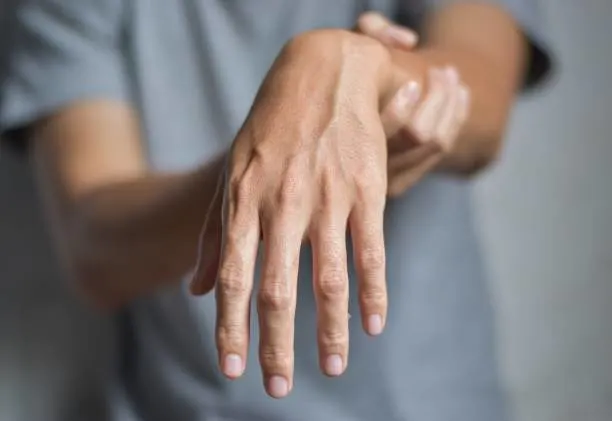
Radial nerve impingement is a condition in which the radial nerve – one of the primary and most important nerves of the upper limb – becomes compressed, irritated, or entrapped at some point along its course. This nerve originates from the brachial plexus in the upper arm and then travels along the posterior aspect of the arm, down into the forearm, and finally into the hand. It plays a vital role in extending the wrist, fingers, and thumb, maintaining grip strength, and providing sensory feedback to the posterior aspect of the forearm and portions of the hand. Because of these functions, the radial nerve is essential for tasks such as lifting, gripping, pushing, and maintaining proper coordination of the upper limb.
When radial nerve impingement occurs, these normal functions are disrupted. Individuals may experience pain, tingling, weakness, reduced dexterity, numbness, or other abnormal sensations, often making simple daily tasks challenging. This condition is particularly common in athletes, manual laborers, and people whose jobs or hobbies require repetitive or forceful arm movements, prolonged gripping, or sustained awkward postures of the upper limb. Over time, untreated nerve compression can lead to reduced muscle strength and altered movement patterns.
At DMPhysios, a Noida-based clinic specializing in spine and sports conditions with a strong focus on patient-centered rehabilitation, radial nerve impingement is addressed through a comprehensive and evidence-based approach. This includes accurate assessment, targeted physiotherapy, activity modification, ergonomic advice, and progressive rehabilitation programs to not only relieve symptoms but also restore full function and minimize the risk of recurrence.
Symptoms
The presentation of radial nerve impingement varies depending on the site and severity of compression. Common symptoms include:
- Pain: Sharp or burning pain along the back of the arm, forearm, or hand.
- Weakness: Difficulty extending the wrist or fingers (“wrist drop” is a classic sign).
- Numbness or Tingling: Sensory disturbances over the dorsal aspect of the hand and fingers.
- Loss of Grip Strength: Decreased ability to hold or lift objects.
- Fatigue in the Forearm: Rapid onset of fatigue during repetitive arm tasks.
- Sensitivity on Palpation: Tenderness when pressing along the nerve’s course.
Recognizing these symptoms early allows timely intervention. At DMPhysios in Noida, clinicians emphasize early assessment to prevent chronic nerve damage.
Types of Radial Nerve Impingement
Although radial nerve impingement is a broad term, it can occur at multiple sites along the nerve’s course. Recognizing the type helps guide accurate diagnosis and targeted treatment.
1. Radial Tunnel Syndrome
- Compression of the radial nerve within the radial tunnel (proximal forearm, near the supinator muscle).
- Presents deep, aching pain along the lateral forearm, aggravated by repetitive forearm or wrist movement.
- Weakness of wrist and finger extensors may occur over time.
- Minimal or no sensory changes, making it easy to confuse with lateral epicondylitis (“tennis elbow”).
2. Posterior Interosseous Nerve (PIN) Syndrome
- Involves the motor branch of the radial nerve after it passes through the supinator.
- Results mainly in motor weakness of finger and thumb extensors (“finger drop” or difficulty extending fingers).
- Little or no sensory loss, so pain may be mild or absent.
- Often causes a “clumsy” grip due to weak extensors.
3. Superficial Radial Nerve Entrapment (Wartenberg’s Syndrome)
- Compression of the superficial sensory branch of the radial nerve near the wrist.
- Leads to pain, tingling, or numbness over the dorsolateral thumb and hand, sometimes radiating to the index finger.
- Motor strength is preserved (purely sensory branch affected).
- Symptoms often aggravated by tight wristbands, watches, or repetitive pronation/supination movements.
Causes
Radial nerve impingement may result from a variety of mechanical and physiological factors, including:
- Repetitive Motions: Overuse of the forearm extensors in activities like tennis, weightlifting, or manual work.
- Direct Trauma: Fractures of the humerus, elbow dislocations, or blunt injuries to the upper arm.
- Prolonged Compression: Leaning on crutches, tight casts or splints, or prolonged pressure during sleep (“Saturday night palsy”).
- Anatomical Variations: Abnormal fibrous bands or muscle hypertrophy compressing the nerve.
- Inflammatory Changes: Local swelling due to tendinitis or bursitis around the elbow or forearm.
- Scar Tissue: Following surgery or injury, scar tissue may tether the nerve.
At DMPhysios, clinicians perform a detailed history and physical examination to identify these causes and develop a personalized rehabilitation plan.
Risk Factors
Certain factors increase the likelihood of developing radial nerve impingement:
- Engaging in repetitive forearm activities or sports.
- Poor ergonomic posture during computer or manual work.
- History of upper limb fractures or surgeries.
- Occupations requiring heavy gripping or vibration tools.
- Pre-existing conditions like diabetes or rheumatoid arthritis that predispose to nerve vulnerability.
- Inadequate warm-up or stretching before high-intensity exercise.
Recognizing these risk factors allows preventive strategies to be implemented early, a key focus at DMPhysios.
Treatment
Medical Management
- Rest and Activity Modification: Reducing or avoiding aggravating activities allows the nerve to recover.
- Splinting or Bracing: Wrist splints may be used to reduce stress on the extensors.
- Medications: NSAIDs for pain and inflammation; occasionally corticosteroid injections for severe cases.
- Nerve Gliding Techniques: Specific exercises to mobilize the radial nerve.
- Surgery: Reserved for severe, persistent cases where conservative care fails; involves decompression of the nerve.
Why Physiotherapy is Crucial
While medications and rest provide symptomatic relief, physiotherapy treatment at DMPhysios addresses the root cause, muscle imbalance, poor posture, or faulty biomechanics, ensuring long-term recovery and preventing recurrence.
Physiotherapy Treatment
At DMPhysios, a patient-centered rehabilitation approach is used for radial nerve impingement. This involves several stages:
1. Initial Assessment
- Detailed evaluation of pain, strength, sensation, and functional limitations.
- Identification of aggravating activities.
- Postural and ergonomic analysis.
2. Pain Management
- Cold or Heat Therapy: To reduce pain and inflammation.
- Accelerated Healing Therapy: For reducing pain and inflammation.
3. Soft Tissue Mobilization
- Manual therapy to release tight muscles (supinator, extensor carpi radialis brevis) that may compress the nerve.
- Myofascial release and trigger point therapy for forearm muscles.
4. Nerve Mobilization / Gliding Exercises
- Gentle radial nerve glides to improve nerve excursion and reduce adhesions.
- Progressed gradually to avoid symptom exacerbation.
5. Stretching and Flexibility
- Forearm Extensor Stretch: Wrist flexion with elbow extended to lengthen tight extensors.
- Supinator Muscle Stretch: Gentle pronation and flexion techniques.
6. Strengthening
Progressive strengthening restores muscle balance and function:
- Early Stage: Isometric wrist extension and grip exercises.
- Intermediate Stage: Light resistance bands for wrist and finger extension.
- Advanced Stage: Functional strengthening such as resisted pronation/supination, eccentric loading for extensors, and sport-specific drills.
7. Posture and Ergonomic Training
- Correcting neck and shoulder posture reduces stress on the radial nerve’s proximal origin.
- Advice on workstation setup, tool handles, and sports technique modifications.
8. Functional Rehabilitation
- Gradual return to work or sport activities under supervision.
- Education on pacing, warm-up routines, and safe lifting techniques.
9. Home Exercise Program
- Individualized exercise sheets to maintain progress outside the clinic.
- Regular follow-up to monitor adherence and adjust exercises.
By integrating all these components, DMPhysios in Noida ensures that patients with radial nerve impingement not only recover but also regain full confidence in using their arm for daily life and sports.
Prevention of Radial Nerve Impingement
Preventive measures are central to long-term management:
- Ergonomic Adjustments: Proper desk height, cushioned arm supports, and avoiding prolonged leaning on elbows.
- Warm-Up and Stretching: Before sports or repetitive tasks, perform wrist and forearm stretches.
- Strength Balance: Regularly strengthen both flexor and extensor muscles to avoid imbalance.
- Rest Breaks: Incorporate breaks during repetitive activities.
- Protective Gear: Use padded supports or braces if prone to pressure injuries.
- Gradual Load Progression: Increase training loads gradually to avoid sudden overuse.
At DMPhysios, patients receive tailored preventive education as part of their rehabilitation program to minimize the risk of recurrent radial nerve impingement.
Conclusion
Radial nerve impingement can significantly impact arm function, affecting daily activities, sports performance, and occupational tasks. Prompt diagnosis and a comprehensive, individualized treatment approach are crucial for full recovery.
At DMPhysios, a Noida-based clinic specializing in spine and sports conditions with a strong focus on patient-centered rehabilitation, every patient with radial nerve impingement receives evidence-based care tailored to their unique needs. Through a combination of medical management, detailed physiotherapy treatment, ergonomic training, and preventive strategies, DMPhysios helps individuals regain strength, reduce pain, and prevent recurrence.
If you or someone you know is experiencing symptoms of radial nerve impingement, don’t wait for it to worsen. Contact DMPhysios today to schedule an assessment and start your journey toward pain-free movement and optimal function. Your arms deserve expert care—let DMPhysios guide you back to your best.