Overview
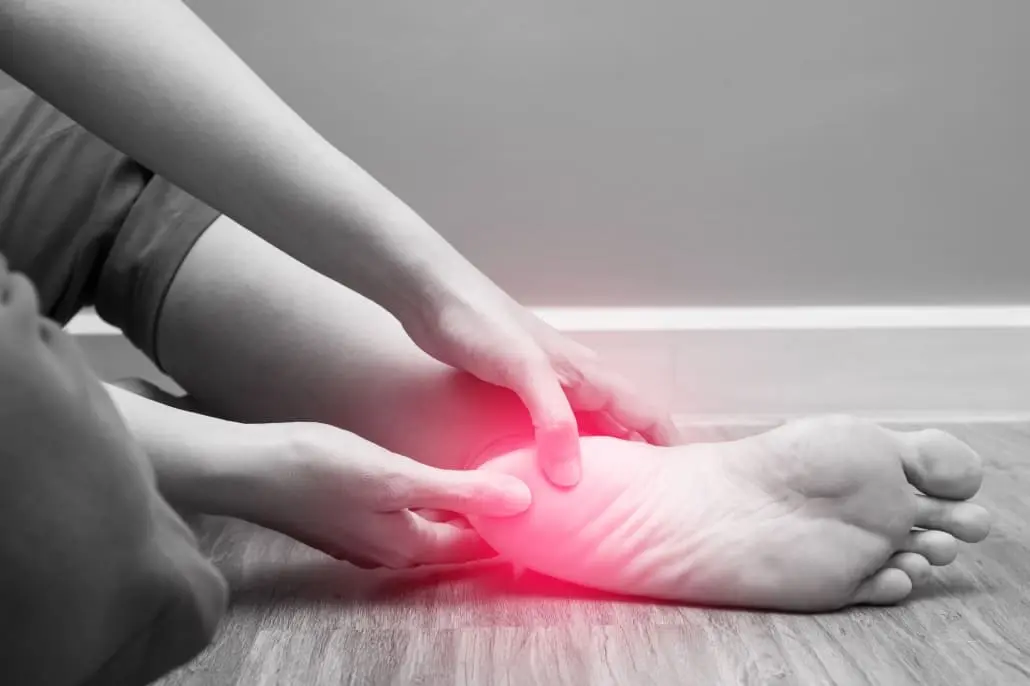
Sever’s Disease (Calcaneal Apophysitis) is one of the most common causes of heel pain in children and adolescents, particularly those who are active in sports or physical activities. Despite its name, it is not a “disease” in the traditional sense but rather an overuse injury that occurs during periods of rapid growth.
This condition affects the growth plate (apophysis) located at the back of the heel bone (calcaneus), where the Achilles tendon attaches. During growth spurts, the bones, muscles, and tendons develop at different rates, leading to increased tension and inflammation at this attachment site.
Sever’s Disease typically occurs between the ages of 8 and 15, when the growth plates are still open and vulnerable to repetitive stress. It often manifests as pain in one or both heels, especially after running, jumping, or participating in high-impact sports.
At DMPhysios, a leading physiotherapy and rehabilitation clinic in Noida specializing in spine and sports conditions, we frequently encounter young athletes affected by Sever’s Disease. Through patient-centered rehabilitation and tailored physiotherapy interventions, we help restore function, relieve pain, and prevent recurrence.
Symptoms
Recognizing the symptoms of Sever’s Disease early can significantly improve recovery and prevent chronic pain. The hallmark symptom is heel pain that worsens with activity and improves with rest.
Common symptoms include:
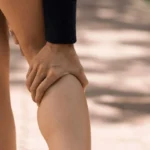
- Pain or tenderness at the back of the heel, especially when squeezed from both sides.
- Swelling or redness around the heel area.
- Limping or walking on toes to avoid pressure on the heel.
- Stiffness in the heel or calf, particularly in the morning or after prolonged sitting.
- Discomfort during running, jumping, or high-impact movements.
Children or teens may complain that their heel hurts during or after sports such as football, basketball, gymnastics, or running. In some cases, the pain may occur in both heels simultaneously.
Types of Sever’s Disease
While Sever’s Disease is generally classified as one condition, clinicians sometimes describe variations based on laterality and severity:
- Unilateral Sever’s Disease – When only one heel is affected. This is common when there is asymmetrical loading or leg length discrepancy.
- Bilateral Sever’s Disease – When both heels are affected, often due to systemic factors like rapid growth or intensive sports activity.
- Acute vs. Chronic Forms – The acute form arises suddenly, often after a period of intense training, while the chronic form develops gradually over time with persistent activity.
Understanding the specific type helps physiotherapists at DMPhysios create more focused and individualized rehabilitation strategies for each young patient.
Causes
The primary cause of Sever’s Disease is repetitive stress on the heel’s growth plate during growth spurts. This stress is primarily due to the pull of the Achilles tendon on the still-developing bone of the heel.
Key causes include:
- Rapid growth periods during puberty leading to tightness in the calf muscles and Achilles tendon.
- Overuse and repetitive impact from activities like running, jumping, or dancing.
- Improper or worn-out footwear that fails to provide adequate heel support.
- Hard playing surfaces that increase shock and impact on the heel.
- Biomechanical issues such as flat feet (overpronation) or high arches (supination).
- Unequal leg lengths or gait abnormalities that increase stress on one heel.
In many cases, these factors coexist, leading to the inflammation characteristic of Sever’s Disease.
Risk Factors
Certain factors can increase the likelihood of developing Sever’s Disease. These include:
- Age: Most common between 8-15 years, when growth plates are active.
- Gender: More prevalent in boys due to earlier involvement in high-impact sports.
- Sports participation: Activities like football, basketball, gymnastics, track and field, and tennis.
- Tight calf muscles or Achilles tendon: Increases traction forces on the growth plate.
- Obesity or rapid weight gain: Adds additional load to the heel.
- Poor footwear: Inadequate heel cushioning and support.
Recognizing these risk factors is essential in prevention and early intervention, which is a core focus at DMPhysios, where clinicians assess biomechanical and postural factors contributing to Sever’s Disease.
Treatment
The goal of treatment for Sever’s Disease is to reduce pain, control inflammation, and restore normal mobility without compromising the child’s growth. Since this condition resolves naturally once the growth plates fuse, conservative management is usually effective.
Common treatment approaches include:
- Activity modification: Reducing or temporarily stopping activities that worsen pain.
- Rest and Ice: Applying ice packs for 15-20 minutes after activity to reduce inflammation.
- Heel pads or orthotics: To cushion the heel and reduce stress on the growth plate.
- Stretching exercises: Especially for the calf muscles and Achilles tendon to relieve tension.
- Supportive footwear: Shoes with proper arch and heel support can significantly alleviate symptoms.
- Pain relief: Non-steroidal anti-inflammatory drugs (NSAIDs) may be used under medical guidance.
At DMPhysios, treatment is never one-size-fits-all. The physiotherapists conduct a thorough biomechanical assessment to tailor a patient-centered rehabilitation plan that addresses pain, function, and long-term prevention of recurrence.
Physiotherapy Treatment
Physiotherapy plays a central role in managing Sever’s Disease effectively. At DMPhysios, a physiotherapy clinic in Noida specializing in spine and sports conditions, our experts utilize evidence-based and child-friendly techniques to ensure safe and effective recovery.
1. Initial Pain Management
- Cryotherapy: Regular application of ice helps control inflammation.
- Accelerated Healing Therapy: Reduces deep tissue irritation and improves local circulation.
- Taping or strapping: To offload stress from the heel and Achilles tendon.
2. Stretching Exercises
Tightness in the calf muscles and Achilles tendon contributes significantly to Sever’s Disease. Gentle and progressive stretches are introduced early:
- Calf stretches: Standing calf stretch against a wall (both straight-leg and bent-knee variations).
- Heel drop stretch: On a step or slant board to elongate the Achilles tendon.
- Plantar fascia stretch: Rolling the foot over a soft ball to improve flexibility.
3. Strengthening Exercises
Once pain reduces, strengthening helps improve muscle balance and prevent recurrence:
- Towel curls or marble pickups: To strengthen intrinsic foot muscles.
- Theraband resisted ankle plantarflexion and dorsiflexion.
- Calf raises: Starting with double-leg, then progressing to single-leg raises as tolerated.
At DMPhysios, therapists ensure exercises are age-appropriate, gradually progressed, and focused on restoring normal biomechanics.
4. Biomechanical Correction
- Gait training: Correcting walking patterns to avoid limping or toe-walking.
- Orthotic evaluation: Customized insoles may be recommended to address overpronation or high arches.
- Postural training: To ensure even weight distribution across both legs.
5. Functional and Sport-Specific Training
As pain subsides, reintroduction to sport is done systematically:
- Low-impact drills: Swimming or cycling before resuming running.
- Progressive return-to-play programs: Designed individually at DMPhysios to match the athlete’s level of activity and readiness.
- Plyometric control exercises: To rebuild shock absorption and coordination.
6. Education and Prevention
Parents and young athletes are educated about:
- Importance of proper warm-up and cool-down routines.
- Use of supportive footwear during sports.
- Gradual progression in sports intensity.
- Monitoring for any recurrence of heel pain.
At DMPhysios, education and prevention are integral to rehabilitation, ensuring each child develops healthier movement habits that last beyond treatment.
Prevention
While not all cases can be prevented, especially during rapid growth phases, several strategies can reduce the risk of Sever’s Disease:
- Proper footwear: Choose well-cushioned, supportive shoes appropriate for the sport.
- Regular stretching: Maintain flexibility in the calf muscles and Achilles tendon.
- Gradual training: Avoid sudden increases in training volume or intensity.
- Cross-training: Incorporate low-impact activities like swimming or cycling.
- Weight management: Encourage healthy weight to minimize heel stress.
- Early intervention: Seek prompt physiotherapy care at the first sign of heel discomfort.
The team at DMPhysios emphasizes early screening and education in schools and sports academies across Noida to identify Sever’s Disease early and prevent long-term complications.
Conclusion
Sever’s Disease (Calcaneal Apophysitis) may be a temporary condition, but its impact on a child’s sports performance and daily comfort can be significant. With timely diagnosis, appropriate treatment, and structured physiotherapy, full recovery is not only possible but expected.
At DMPhysios, Noida’s trusted physiotherapy center for spine and sports conditions, our patient-centered rehabilitation approach ensures every child receives comprehensive care, from pain relief to long-term movement optimization.
If your child or young athlete is experiencing persistent heel pain, don’t ignore it. Book an appointment with DMPhysios today and let our expert physiotherapists guide your child toward a pain-free and active lifestyle.