Overview
Shoulder impingement is one of the most frequently encountered conditions causing shoulder pain, especially in individuals involved in repetitive overhead movements. Whether you’re a professional athlete, a fitness enthusiast, a painter, or someone with a desk-bound job and poor posture, shoulder impingement can significantly impact your daily functionality and comfort.
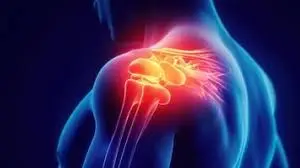
Medically referred to as subacromial impingement syndrome, shoulder impingement occurs when the tendons of the rotator cuff or the subacromial bursa become trapped between the head of the humerus (upper arm bone) and the acromion, a bony projection of the shoulder blade. This narrowing leads to irritation, inflammation, and pain, particularly when lifting the arm or performing overhead activities.
At DMPhysios, a leading physiotherapy clinic in Noida specializing in spine and sports conditions, we frequently manage patients suffering from shoulder impingement. Our approach combines accurate diagnosis, personalized rehabilitation, and patient education to ensure a full recovery and prevention of recurrence.
Symptoms of Shoulder Impingement
Shoulder impingement often develops gradually, with symptoms worsening over time if not addressed early. Common signs include:
- Discomfort or pain when raising the arm, particularly when lifting it above shoulder height.
- Discomfort while reaching behind the back or across the chest.
- Night pain, particularly when lying on the affected shoulder.
- Stiffness and reduced range of motion, making everyday tasks like dressing or grooming difficult.
- A catching or grinding sensation during certain movements.
- Shoulder weakness, particularly during lifting or throwing actions.
- Tenderness over the front and side of the shoulder.
These symptoms are characteristic of shoulder impingement and should not be ignored. If you experience any of these for more than a few weeks, a detailed evaluation at DMPhysios is highly recommended.
Types of Shoulder Impingement
Shoulder impingement can be categorized based on its underlying cause:
1. Primary Shoulder Impingement
Primary impingement results from anatomical or structural changes that reduce the subacromial space. Causes include:
- A curved or hooked acromion.
- Degenerative changes and bone spurs.
- Thickening of the bursa or rotator cuff tendons.
This type is commonly seen in older adults and may also be associated with osteoarthritis or chronic rotator cuff degeneration.
2. Secondary Shoulder Impingement
Secondary impingement is often related to biomechanical issues rather than structural anomalies. It arises due to:
- Muscle imbalances.
- Joint instability.
- Poor scapular control.
- Improper posture.
This form is more common in younger individuals, particularly athletes and those with hypermobile joints or weak stabilizing muscles.
At DMPhysios, our therapists are trained to identify whether a patient has primary or secondary shoulder impingement, as the treatment approach can vary significantly between the two.
Causes of Shoulder Impingement
Shoulder impingement is not caused by a single event but is often the result of cumulative microtrauma. The most common causes include:
- Repetitive overhead activities (e.g., swimming, tennis, painting).
- Prolonged poor posture, particularly slouching or forward-head posture.
- Weakness or imbalance in the rotator cuff and scapular stabilizing muscles.
- Shoulder instability from previous injuries or joint hypermobility.
- Bone spurs or arthritis in the shoulder joint.
- Scapular dyskinesis, where the shoulder blade does not move correctly during arm motion.
- Tightness in the posterior capsule or pectoral muscles.
At DMPhysios, we prioritize identifying the root cause through a detailed physical assessment, postural analysis, and functional movement testing to guide our treatment.
Risk Factors
Some individuals are more prone to developing shoulder impingement based on lifestyle, occupational hazards, or physical structure. Common risk factors include:
- Age over 40, due to natural wear and tear of the shoulder structures.
- Athletes, especially swimmers, cricketers, baseball pitchers, and weightlifters.
- Desk-bound professionals with sedentary lifestyles and poor ergonomics.
- Manual laborers involved in repetitive overhead tasks.
- Previous history of shoulder injury or rotator cuff problems.
- Congenital or acquired postural imbalances such as rounded shoulders or kyphosis.
Recognizing these risk factors early can be key in preventing shoulder impingement. The expert team at DMPhysios routinely offers screening programs for at-risk populations in Noida.
Treatment of Shoulder Impingement
Management of shoulder impingement begins with conservative, non-surgical interventions aimed at pain relief, inflammation control, and restoring shoulder mechanics.
1. Rest and Activity Modification
Avoiding aggravating activities, particularly those involving overhead or repeated arm use, allows inflamed tissues to heal.
2. Medications
Doctors may prescribe NSAIDs (non-steroidal anti-inflammatory drugs) to reduce pain and swelling.
3. Ice and Heat Therapy
Cold packs help reduce inflammation in the acute phase, while heat therapy can aid muscle relaxation and blood flow in chronic cases.
4. Injections
Corticosteroid injections may be administered in cases of severe inflammation that doesn’t respond to initial treatment.
However, long-term improvement in shoulder impingement largely depends on addressing biomechanical imbalances, which is where physiotherapy plays a crucial role.
Physiotherapy Treatment at DMPhysios (Detailed Approach)
At DMPhysios, our personalized and evidence-based physiotherapy protocols for shoulder impingement are designed to restore pain-free movement and prevent recurrence. Our treatment typically includes:
1. Comprehensive Evaluation
- Postural and scapular alignment analysis.
- Rotator cuff strength and flexibility testing.
- Movement pattern assessment.
- Identification of contributing lifestyle factors.
2. Pain Relief Techniques
- Cryotherapy in acute stages and thermotherapy in sub-acute or chronic cases.
- Soft tissue mobilization and myofascial release to reduce muscular tension.
- Accelerated Healing Therapy: As the name suggests, it is an advanced electrotherapy machine used to accelerate the healing process of the body, further soothing and relaxing the compressed and stretched structures of the body.
3. Restoring Range of Motion
- Passive and active-assisted ROM exercises.
- Pendulum swings and wall-walking movements.
- Gentle stretching of tight muscles like the posterior capsule, pec minor, and upper trapezius.
4. Strengthening Program
Progressive strengthening of weak or inhibited muscles such as:
- Rotator cuff (supraspinatus, infraspinatus, teres minor, subscapularis).
- Scapular stabilizers (serratus anterior, rhomboids, lower trapezius).
- Core and thoracic extensors to support upright posture.
We use resistance bands, dumbbells, and bodyweight exercises tailored to the patient’s condition.
5. Postural Correction
- Chin tucks and wall angels.
- Thoracic mobility exercises with foam rollers.
- Cueing and ergonomic advice for office, home, and sports settings.
6. Neuromuscular Re-education
- Mirror exercises to restore correct movement patterns.
- Closed-chain exercises like wall push-ups and modified planks.
- Scapular control drills using visual and tactile feedback.
7. Functional and Sport-Specific Training
As the patient progresses, we introduce:
- Simulated work or sports movements.
- Gradual reintroduction of overhead tasks.
- Plyometrics or agility drills if required.
Our goal at DMPhysios is not just to relieve symptoms but to help patients build long-term resilience and performance in their shoulders.
Prevention of Shoulder Impingement
Preventing shoulder impingement is possible with proactive strategies, especially for those in high-risk professions or athletic roles. Key prevention tips include:
- Maintain correct posture, especially when sitting for extended periods.
- Warm up adequately before workouts or sports.
- Strengthen the rotator cuff and scapular muscles regularly.
- Avoid poor lifting mechanics—engage the core and avoid excessive overhead reach.
- Modify repetitive tasks to reduce overuse injuries.
- Get regular ergonomic assessments, particularly if you work at a computer for long hours.
DMPhysios offers preventive and ergonomic training programs for corporate professionals, athletes, and elderly individuals in Noida. By educating and empowering our clients, we aim to reduce the incidence of shoulder impingement in the community.
Conclusion
Shoulder impingement, while common, should never be taken lightly. If left untreated, it can lead to chronic pain, rotator cuff tears, or even frozen shoulder. Fortunately, with early intervention and the right treatment approach, recovery is very achievable.
At DMPhysios, we specialize in treating shoulder impingement using a holistic, patient-centered model. Our clinic in Noida is fully equipped to provide advanced physiotherapy care tailored to individual needs, whether you’re a desk worker, athlete, or senior citizen.Don’t let shoulder pain limit your lifestyle. Book your consultation at DMPhysios today and take the first step toward pain-free movement and long-term shoulder health.