Overview of Spine Pain
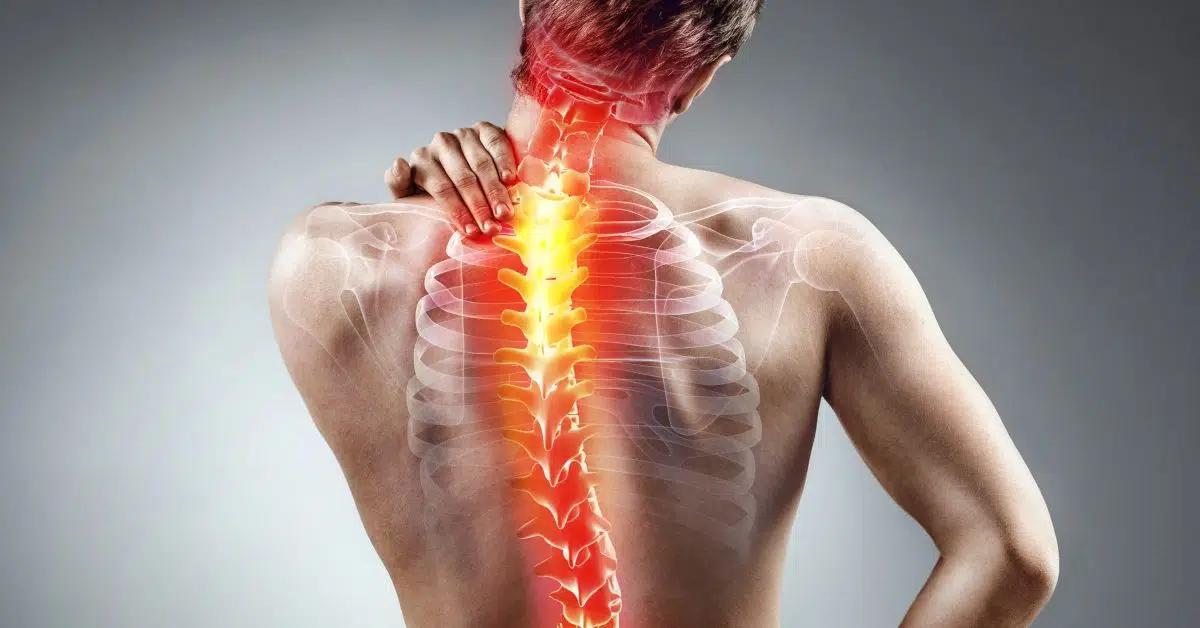
Spine pain, commonly referred to as “back pain,” is discomfort experienced anywhere along the spine—from the neck (cervical), through the upper and mid–back (thoracic), down to the lower back or pelvis (lumbar). It’s one of the most common health complaints globally, affecting up to 40% of people at any point and responsible for significant disability and lost productivity.
While most episodes of back pain are nonspecific or mechanical in nature and often resolve with conservative care, it can also signal more serious issues such as infections, fractures, inflammatory diseases, or tumors.
Types of Spine Pain
Spine pain can be classified based on location, duration, and underlying cause:
By Location:
- Cervical pain : Neck issues.
- Thoracic pain : Mid-back aches.
- Lumbar pain : Lower back.
- Sciatica : Pain that travels down the leg due to nerve irritation.
By Duration:
- Acute : <4 weeks.
- Subacute : 4–12 weeks.
- Chronic: >12 weeks.
By Underlying Cause:
1. Nonspecific (Mechanical) Back Pain : Most common—due to muscle strain, ligament sprain, poor posture, or biomechanical load.
2. Disc-related pain: Bulging/herniated discs causing nerve compression, often leading to sciatica .
3. Degenerative conditions : Degenerative disc disease, spondylosis, spondylolisthesis, spinal stenosis .
4. Trauma/fractures : Vertebral fractures from injury or osteoporosis ([ncbi.nlm.nih.gov][6]).
5. Inflammatory conditions : Ankylosing spondylitis, axSpA—characterized by morning stiffness and improvement with activity.
6. Serious causes : Tumors, infections, cauda equina syndrome.
Symptoms of Spine Pain
Symptoms depend on the type and cause, ranging from mild to severe:
- Local pain : Aching, stiffness in back or neck.
- Radiating pain : Pain that travels down the legs/arms—classic in sciatica.
- Neurological symptoms : Numbness, tingling, muscle weakness.
- Mechanical-intolerance : Pain worsens with bending, lifting, or prolonged sitting, sometimes easing with movement.
- Inflammatory signs : Morning stiffness >30 minutes improving through the day.
- Red flags : Fever, weight loss, visible deformity, night pain, bowel/bladder changes, indicative of serious pathology .
Causes of Spine Pain
Mechanical & Structural:
- Sprains/strains : Ligament/muscle injuries from improper lifting/posture .
- Disc issues: Herniated/bulging discs pressure nerves causing pain.
- Degeneration : Disc wear, joint arthritis, spinal alignment shift .
- Spinal stenosis : Canal narrowing due to arthritis or congenital factors
- Spondylolisthesis/Spondylosis : Vertebra displacement or degeneration
Traumatic:
- Vertebral fractures: From injury or bone fragility.
Inflammatory:
- Ankylosing spondylitis and related conditions : Autoimmune fusion and inflammation .
Other:
- Tumors/infections: Rare but serious causes, often accompanied by systemic symptoms .
- Referred pain : From abdominal/gynecological issues .
Risk Factors:
- Age (over 30–40)
- Sedentary lifestyle & weak muscles
- Obesity
- Smoking
- Poor posture & improper lifting
- Psychological stress & depression
Prevention of Spine Pain
1. Exercise & Physical Conditioning
- Aerobic & low-impact : Walking, swimming, cycling boost circulation and endurance.
- Core & lumbar strengthening : Exercises like planks, bird-dog, pelvic tilts and Swiss ball routines.
- Flexibility/stretching : Hamstring and spine stretches, yoga postures (cobra, cat-cow, side stretch) .
- Motor control/movement variety : Emphasize dynamic movement and posture awareness .
2. Posture & Ergonomics
- Maintain neutral spine while standing: foot on stool to shift weight.
- Sitting with lumbar support, feet level, reposition every 30 minutes .
- Avoid heavy lifting or, when necessary, use legs and keep load close.
3. Lifestyle Adjustments
- Maintain healthy weight to reduce spinal load.
- Quit smoking to improve blood flow & reduce disc wear.
- Ensure proper nutrition and vitamin intake (D & B12) .
- Improve sleep posture; moderate mattress firmness is recommended.
- Manage stress through relaxation techniques and quality sleep .
4. Novel Habits
- Break up prolonged sitting with short walks.
- Incorporate “adult tummy time” or prone spine extension exercises to counteract “tech neck”.
- Morning and evening stretch routines, even in bed, can greatly improve spinal health.
Role of DM Physios (Physiotherapists) in Relieving Spine Pain
A. Assessment & Education
- Detailed evaluation of posture, gait, movement patterns, workplace setup, and daily activities .
- Patient education on body mechanics, posture, and spine anatomy to prevent re-injury .
B. Individualized Exercise Programs
- Core stabilization : Strengthen abdominals, back, pelvis and hip muscles .
- Lumbar stabilization : Hamstring, glute, hip extension exercises (bird-dog, downward dog, lunges) .
- Aerobic conditioning : Incorporate low-impact cardio to improve healing .
- Stretching routines : Regular spine and lower body stretches .
C. Manual Therapy
- Mobilization/manipulation: Gentle joint techniques to restore motion.
- Massage : To relieve muscle tension and pain .
- Decompression techniques : Equipment-based relief for disc pressure.
D. Postural Correction & Ergonomics
- Hands-on postural training, adjustments, and ergonomic advice for home/office/shop floor.
E. Home Program & Self-Management
- Personalized routines and homework: exercise, stretches, posture correction and aerobic goals.
- Teach self-care techniques—heat/cold packs, movement breaks, adaptive techniques .
- Ongoing support to sustain changes and avoid relapse.
F. Outcomes & Effectiveness
- Studies show up to 60% reduction in pain and improved function with PT for low back pain.
- Helps avoid surgery, reduce medication use, and improve quality of life.
- Especially effective for conditions like herniated discs and sciatica with sustained benefits over 6–12 weeks .
G. Specialized Modalities
- Aquatic therapy : Low-impact environment to exercise and reduce load on spine .
- Functional training : Real-life movement retraining and adaptations for sport or work .
Why Choose DM Physios?
- Localized expertise : Understanding of local living/working conditions and cultural habits.
- Tailored care : Customized programs for Delhi’s climate, urban lifestyle, or mobile-usage patterns (e.g., tech-neck).
- Continuity of care : Proximity allows consistent follow-ups and adjustments.
- Holistic integration : Likely to incorporate yoga, pranayama, and regional movement practices alongside physiotherapy best-practices.
Conclusion
Spine pain is a widespread issue with diverse causes—mechanical, degenerative, inflammatory, traumatic, and occasionally serious. Most types are treatable with conservative care focused on exercise, posture, lifestyle, and education.
- Prevention is powerful : Regular activity, core and flexibility training, ergonomic practices, healthy weight, and smoke-free lifestyle significantly reduce risk and recurrence.
Physiotherapists (“DM physios”) play a vital role :
- They assess , educate, treat , and empower individuals.
- Use evidence-based exercises, manual techniques , and self-management support to reduce pain, restore function, and prevent future episodes.
Whether it’s a herniated disc, postural strain, sciatica, or chronic nonspecific pain, structured physiotherapy programs typically yield \~60% improvement and reduce dependency on surgeries and drugs.
If you’re dealing with spine pain, consulting a qualified physiotherapist is one of the best starting points—less risk, highly effective, tailored to your lifestyle, and focused on long-term wellness.