Overview
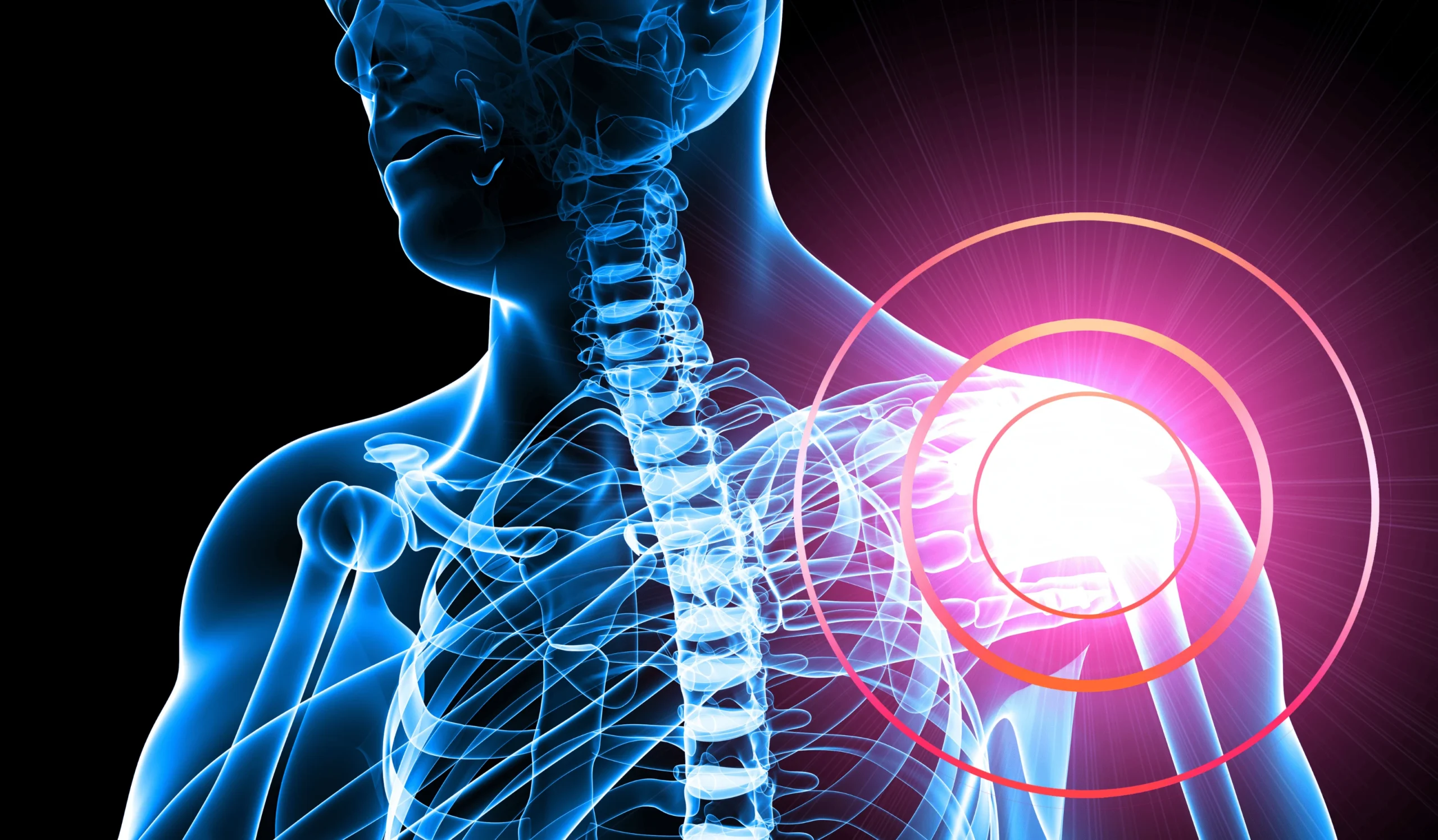
The shoulder joint is one of the most remarkable joints in the human body. Unlike many other joints, it is designed to allow a vast range of motion including forward, backward, sideways, rotational, and overhead movements. This incredible mobility is essential for countless daily activities such as reaching overhead to pick something from a shelf, lifting objects, performing sports like swimming or cricket, and even simple tasks like dressing. However, this mobility comes at a price. The very feature that makes the shoulder versatile also makes it inherently less stable and more vulnerable to injuries compared to weight-bearing joints like the hip or knee.
Among the muscles that provide support and stability to the shoulder, the teres minor strain plays a crucial but often overlooked role. It is one of the four rotator cuff muscles along with supraspinatus, infraspinatus, and subscapularis. It assists in external rotation of the arm while helping to keep the ball of the humerus (upper arm bone) firmly positioned within the shallow glenoid cavity of the scapula. Despite being a relatively small muscle, the teres minor contributes significantly to shoulder mechanics, particularly in athletes, gym-goers, and individuals engaged in repetitive overhead activities.
A teres minor strain occurs when this muscle is overstretched beyond its capacity, develops micro-tears in the muscle fibers, or in more severe cases, sustains a partial or complete tear. Such an injury can lead to sharp or lingering pain, restricted mobility, and compromised shoulder function. Unlike the supraspinatus, which is commonly injured in rotator cuff tears, the teres minor is less frequently damaged, but when it does sustain an injury, the effect on functional performance, especially tasks involving external rotation, throwing, or lifting, can be significant. For athletes such as tennis players, baseball pitchers, and cricketers, a teres minor strain can mean difficulty in performing at their peak, while for non-athletes, even simple actions like reaching behind the back can become painful and limiting.
At DMPhysios, a leading physiotherapy clinic based in Noida that specializes in spine and sports-related conditions, patients dealing with teres minor strain are provided with a comprehensive and patient-centered rehabilitation program. The approach goes beyond just addressing the immediate pain; it focuses on restoring full mobility, rebuilding strength, correcting faulty biomechanics, and preventing future recurrences. By integrating evidence-based physiotherapy practices with personalized care, the team at DMPhysios ensures that every patient regains not just shoulder function but also long-term confidence in movement.
Symptoms
A teres minor strain can present with a range of symptoms depending on the severity of the injury:
- Localized pain at the back of the shoulder, often worsened by external rotation or overhead activity.
- Tenderness on palpation around the posterior shoulder region.
- Weakness in external rotation and difficulty lifting objects.
- Limited range of motion due to pain or stiffness.
- Swelling or bruising in acute cases.
- Pain during throwing, racquet sports, or weightlifting.
- Night pain when lying on the affected side.
Recognizing these symptoms early helps prevent the condition from worsening and supports faster recovery through timely physiotherapy intervention.
Types of Teres Minor Strain
Clinicians often classify teres minor strain based on severity:
1. Grade I (Mild Strain):
- Involves small micro-tears in the muscle fibers.
- Pain is usually mild and localized at the back of the shoulder.
- Minimal or no loss of strength.
- Function generally preserved, though athletes may notice reduced performance.
2. Grade II (Moderate Strain):
- Partial tearing of the muscle fibers.
- Symptoms include moderate pain, swelling, and tenderness.
- Noticeable weakness in external rotation.
- Daily activities and overhead movements become difficult.
- Functional limitation more obvious compared to Grade I.
3. Grade III (Severe Strain):
- Complete rupture of the teres minor muscle.
- Severe pain and marked functional impairment.
- Inability to perform external rotation without compensation.
- Possible bruising, deformity, and instability of the shoulder.
- May require surgical intervention before physiotherapy rehab.
Causes
The main causes of teres minor strain include:
- Overuse injuries from repetitive overhead movements.
- Sudden forceful movements like throwing or heavy lifting.
- Poor biomechanics in sports such as tennis, cricket, or baseball.
- Direct trauma to the posterior shoulder.
- Muscle imbalance where larger muscles dominate, causing smaller stabilizers like teres minor to overload.
- Age-related degeneration of rotator cuff muscles.
Risk Factors
Certain individuals are more prone to developing teres minor strain, especially those with:
- Active participation in overhead sports (cricket, volleyball, baseball, swimming).
- Occupations involving repetitive lifting or overhead work.
- Poor posture (rounded shoulders, forward head posture).
- Weakness in surrounding rotator cuff muscles.
- Previous history of shoulder injuries.
- Inadequate warm-up before exercise.
- Aging and reduced tissue elasticity.
Treatment
The treatment of teres minor strain depends on the severity but usually follows a conservative approach first:
- Rest: Avoiding aggravating activities that strain the muscle.
- Ice therapy: Reduces inflammation and pain in the acute stage.
- Pain management: NSAIDs or physician-prescribed medications if needed.
- Supportive taping or bracing: To stabilize the shoulder and prevent further strain.
- Gradual return to activity: Resuming normal and sports activities in a phased manner.
For severe Grade III tears, surgical repair may be considered, though most cases respond well to structured physiotherapy rehabilitation.
Physiotherapy Treatment
Physiotherapy is the gold standard in managing teres minor strain, helping patients restore full function, reduce pain, and prevent recurrence. At DMPhysios in Noida, treatment is designed with a patient-centered approach tailored to individual needs.
1. Acute Phase (Pain and Inflammation Control)
- Cryotherapy (ice application).
- Gentle pain-free passive range of motion (ROM) exercises.
- Accelerated Healing Therapy for pain relief.
- Postural correction strategies.
2. Early Rehabilitation Phase
- Pendulum exercises to maintain shoulder mobility.
- Gentle isometric exercises for the rotator cuff.
- Scapular stabilization drills (e.g., scapular retraction and depression).
- Stretching of surrounding tight structures like the posterior capsule.
3. Strengthening Phase
Once pain reduces, gradual strengthening is introduced:
- External rotation with resistance bands (in neutral and 90° abduction).
- Side-lying external rotation exercise.
- Prone horizontal abduction with external rotation.
- Scapular strengthening – rows, serratus punches, and wall push-ups.
- Progressive resistance training for deltoids, trapezius, and latissimus dorsi to ensure balanced shoulder stability.
4. Advanced Functional Phase
- Plyometric shoulder drills (medicine ball throws, rebounder training).
- Sport-specific retraining (throwing, swimming drills, racquet swing practice).
- Dynamic stability exercises (closed-chain and proprioceptive training).
- Return-to-play assessment to ensure safe transition to sports.
At DMPhysios, therapists emphasize holistic rehabilitation, ensuring the shoulder is not only pain-free but also strong, coordinated, and resilient against future injuries.
Prevention
Preventing a teres minor strain is possible with appropriate strategies:
- Warm up thoroughly before sports or exercise.
- Strengthen all rotator cuff muscles, not just the larger shoulder muscles.
- Maintain good posture to reduce stress on the posterior shoulder.
- Avoid repetitive overhead activities without rest.
- Gradually progress training loads rather than sudden spikes.
- Incorporate flexibility exercises for the chest and posterior capsule.
- Seek regular physiotherapy check-ups at DMPhysios, especially if engaging in high-demand sports.
Conclusion
A teres minor strain may not be as commonly discussed as other rotator cuff injuries, but its impact on shoulder health can be significant. Ignoring early symptoms often leads to chronic pain and functional limitations. With proper diagnosis, treatment, and a structured physiotherapy program, most patients recover fully and return to their activities without restrictions.
At DMPhysios, a trusted Noida-based clinic for spine and sports conditions, the focus is always on patient-centered rehabilitation. Whether you are an athlete recovering from a teres minor strain or an individual struggling with shoulder pain from daily activities, the expert physiotherapists at DMPhysios design evidence-based, personalized rehabilitation plans that restore strength, flexibility, and confidence.
If you or someone you know is experiencing shoulder pain or suspect a teres minor strain, don’t delay treatment. Book an appointment with DMPhysios in Noida today and take the first step towards pain-free movement and long-term recovery.