Overview
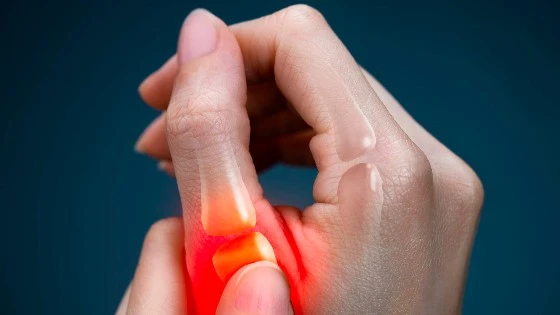
Thumb pain is a surprisingly common complaint in today’s world, where our daily lives revolve around activities requiring fine hand movements. From texting and scrolling on smartphones to repetitive work tasks or gripping sports equipment, our thumbs perform countless motions each day. When this small yet powerful digit becomes painful, it can severely disrupt daily living.
Thumb pain refers to discomfort, aching, or tenderness experienced anywhere along the thumb – from the base near the wrist (the carpometacarpal joint) to the tip. It may appear suddenly after an injury or develop gradually due to overuse, degenerative conditions, or underlying medical problems. Because the thumb is crucial for gripping, pinching, and dexterity, thumb pain can compromise independence in personal care, work, and hobbies.
At DMPhysios, a leading physiotherapy clinic in Noida specialising in spine and sports conditions with a patient-centered approach to rehabilitation, our team regularly helps individuals regain pain-free thumb function through evidence-based assessment and tailored treatment plans.
Symptoms
Thumb pain can present in a variety of ways depending on the underlying cause. Common symptoms include:
- Persistent aching or sharp pain along the thumb or at its base.
- Swelling, warmth, or redness near the thumb joints.
- Stiffness or reduced movement, especially in the morning or after rest.
- Weak grip or difficulty holding objects.
- Clicking, popping, or grinding sensations during movement.
- Numbness or tingling if nerves are irritated or compressed.
Recognising these symptoms early can help you seek timely care. At DMPhysios, our physiotherapists perform detailed assessments to identify not just the site but also the underlying driver of thumb pain, ensuring a complete plan for recovery.
Types of Thumb Pain
Although thumb pain is a general term, it can be classified based on its origin:
- Acute traumatic pain: Results from a sudden injury such as a fall, sports impact, or accident leading to ligament sprains, fractures, or dislocations of the thumb joints.
- Overuse-related pain: Develops gradually due to repetitive thumb activities like typing, gaming, or lifting, commonly seen in office workers, athletes, and new parents.
- Degenerative or arthritic pain: Caused by wear-and-tear of the thumb base joint (carpometacarpal joint), especially in older adults.
- Inflammatory pain: Linked with systemic conditions such as rheumatoid arthritis, gout, or infection.
- Neuropathic pain: Stemming from nerve compression or irritation, leading to tingling or burning sensations along the thumb.
Understanding the type of thumb pain helps guide the treatment strategy. This is why at DMPhysios, the diagnostic process always precedes therapy, ensuring precision care.
Causes
Thumb pain can arise from numerous causes. Some of the most frequent include:
- De Quervain’s Tenosynovitis: Inflammation of the tendons on the thumb side of the wrist, often due to repetitive motion or postpartum strain.
- Thumb Carpometacarpal (CMC) Osteoarthritis: Degeneration of the joint at the base of the thumb, common in women over 40.
- Thumb Ligament Injuries (Skier’s Thumb / Gamekeeper’s Thumb): Stretching or tearing of the ulnar collateral ligament, usually from a fall or sports injury.
- Fractures or Dislocations: Trauma can break or dislocate thumb bones, resulting in severe pain and swelling.
- Trigger Thumb: Thickening of the tendon sheath causing locking or clicking of the thumb.
- Nerve Compression: Conditions such as carpal tunnel syndrome or cervical radiculopathy can radiate pain to the thumb.
- Systemic Conditions: Rheumatoid arthritis, gout, or infections can inflame thumb joints.
Each cause may produce a slightly different pattern of thumb pain, which skilled clinicians at DMPhysios are trained to differentiate and treat effectively.
Risk Factors
Certain factors increase the likelihood of developing thumb pain:
- Repetitive or forceful thumb movements (typing, gaming, manual labour).
- Poor ergonomics at workstations or during smartphone use.
- Female gender and age above 40 (especially for CMC osteoarthritis).
- History of trauma or thumb injuries.
- Systemic diseases like rheumatoid arthritis or diabetes.
- Participation in sports that involve gripping (tennis, badminton, weightlifting).
- Hormonal changes postpartum or postmenopause.
Being aware of these risk factors can help you modify habits or take preventive steps. DMPhysios, with its patient education programs, ensures individuals not only recover from thumb pain but also learn strategies to prevent its recurrence.
Treatment
The treatment of thumb pain depends on its cause and severity. Broadly, it includes:
- Rest and Activity Modification: Reducing or temporarily stopping activities that aggravate the pain.
- Immobilisation: Splints or braces to support the thumb and allow tissues to heal.
- Medication: Nonsteroidal anti-inflammatory drugs (NSAIDs) or topical agents to reduce pain and swelling.
- Corticosteroid Injections: For persistent inflammation in conditions like De Quervain’s tenosynovitis or CMC arthritis.
- Surgery: Reserved for severe cases such as complete ligament tears, advanced arthritis, or non-healing fractures.
However, one of the most effective and sustainable approaches is physiotherapy, which addresses not only pain relief but also restoration of mobility and function.
Physiotherapy Treatment
At DMPhysios in Noida, physiotherapy for thumb pain is evidence-based and personalised. Our patient-centered rehab approach ensures each plan suits your lifestyle and goals. Key components include:
1. Comprehensive Assessment
A detailed evaluation of thumb joints, ligaments, tendons, and related structures is performed. We also assess posture, grip patterns, and work ergonomics to identify aggravating factors.
2. Pain Management Techniques
- Manual Therapy: Gentle joint mobilisation of the thumb and wrist to restore movement.
- Soft Tissue Release: Targeting tight tendons or muscles around the thumb.
- Electrotherapy: Modalities like Accelerated Healing Therapy to reduce pain and inflammation.
3. Splinting & Taping
Customised thumb splints or kinesiology taping to support the thumb during daily activities, reducing strain and allowing tissues to heal.
4. Therapeutic Exercises
- Range of Motion (ROM) Exercises: Gentle thumb flexion, extension, opposition, and circumduction exercises to maintain mobility.
- Strengthening: Gradual loading of thumb muscles using putty, rubber bands, or small hand exercisers to rebuild strength and improve grip.
- Neuromuscular Re-education: Training precise thumb movements and coordination to restore normal function.
5. Ergonomic & Activity Modification
Education on proper thumb and wrist positions while typing, texting, or lifting. Adjustments to workstations and use of assistive devices where necessary.
6. Progressive Return to Activity
We guide patients through a stepwise return to sports or work tasks, ensuring thumb structures tolerate stress safely.
7. Home Exercise Program
Every patient at DMPhysios receives a tailored home program to complement in-clinic therapy, ensuring consistent progress and long-term results.
By combining these approaches, our clinic has helped countless individuals overcome thumb pain and regain full hand function.
Prevention
Preventing thumb pain is easier than treating chronic cases. Some practical tips include:
- Take Regular Breaks: Pause during repetitive tasks to stretch and rest the thumbs.
- Maintain Good Ergonomics: Keep wrists neutral, avoid awkward thumb postures, and adjust keyboard/mouse use.
- Strengthen Hand Muscles: Perform regular thumb and grip exercises to build resilience.
- Use Proper Technique: When lifting or playing sports, use correct grips to minimise strain.
- Manage Systemic Conditions: Control arthritis, diabetes, or other health issues that predispose to thumb pain.
- Seek Early Care: At the first sign of thumb discomfort, consult professionals like those at DMPhysios to prevent progression.
Conclusion
Thumb pain, though often underestimated, can have a profound impact on daily activities, work efficiency, and quality of life. Whether caused by overuse, injury, or arthritis, it requires timely assessment and a comprehensive management plan.
At DMPhysios, a premier physiotherapy clinic in Noida specialising in spine and sports conditions with patient-centered rehabilitation, we understand that every thumb pain case is unique. Our evidence-based physiotherapy interventions – from manual therapy and exercise to ergonomic training – are designed to relieve pain, restore function, and prevent recurrence.If you or someone you know is struggling with persistent thumb pain, don’t wait until it worsens. Contact DMPhysios today to book an evaluation and begin your journey toward a pain-free, functional thumb. Our experienced team is here to support you every step of the way.