Overview
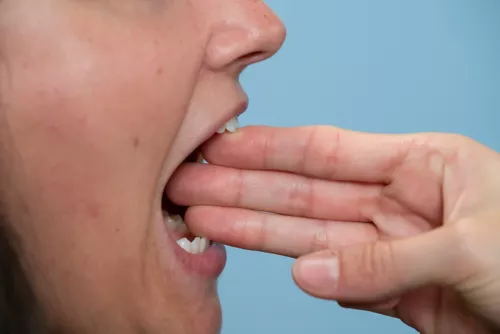
Trismus, often referred to as “locked jaw,” is a debilitating condition marked by a reduced or restricted ability to open the mouth. This limitation occurs when the normal mobility of the jaw muscles, temporomandibular joint (TMJ), or surrounding soft tissues is disrupted due to spasm, fibrosis, inflammation, or mechanical obstruction. In a healthy individual, the mouth can open widely enough to allow normal chewing, speaking, and oral hygiene. In trismus, however, even simple actions such as eating, brushing teeth, or yawning can become painful and difficult. In more severe cases, the restriction may compromise swallowing and, rarely, even breathing, making it a potentially serious functional problem.
Although trismus is most commonly linked to dental infections or TMJ disorders, it is not limited to these issues. The condition may also develop following trauma to the jaw, head, or neck; after surgical or dental procedures; due to scar tissue formation; or as a complication of systemic diseases and neurological conditions. Because of this wide range of causes, trismus is best understood not as a single disease but as a symptom complex requiring a thorough evaluation to determine its underlying source.
At DMPhysios, a leading clinic in Noida renowned for its expertise in spine and sports conditions with a patient-centered rehabilitation approach, trismus management goes far beyond symptom relief. The multidisciplinary team at the clinic carefully assesses each patient’s history, contributing factors, and functional limitations. Treatment plans are then tailored to restore optimal jaw movement, reduce pain, and improve overall quality of life. This holistic and individualized strategy helps patients regain confidence in everyday activities such as eating, speaking, and maintaining oral hygiene, while also addressing the root causes of their condition.
Symptoms of Trismus
Trismus can present in varying degrees, from mild tightness to near-complete inability to open the mouth. Common symptoms include:
- Restricted mouth opening (often measured as inter-incisal distance less than 35 mm).
- Pain or discomfort in the jaw, TMJ region, or muscles of mastication.
- Difficulty chewing or swallowing solid foods.
- Speech difficulties due to limited mouth movement.
- Headache or ear pain associated with TMJ strain.
- Jaw deviation on opening or closing.
- Functional limitations such as trouble maintaining oral hygiene or undergoing dental procedures.
Recognizing these symptoms early is crucial, as timely intervention can prevent long-term complications.
Types of Trismus
Although the outward signs of trismus, difficulty opening the mouth, jaw stiffness, and pain, may appear similar from one patient to another, the underlying mechanisms can differ widely. For this reason, trismus is often classified according to its primary cause and the structures involved. Understanding the exact type of trismus helps clinicians at DMPhysios design a highly targeted rehabilitation plan, ensuring faster and more sustainable results.
- Muscular Trismus – This form arises when the muscles responsible for jaw movement—the masseter, temporalis, and medial pterygoid—go into spasm or develop fibrosis. It is frequently observed in patients who have undergone radiation therapy for head and neck cancers, experienced trauma to the face or jaw, or developed chronic inflammation of the masticatory muscles. The muscular component often responds well to a combination of medication, soft tissue techniques, and progressive stretching exercises delivered at DMPhysios.
- Articular Trismus – In this type, the restriction stems from pathology within the temporomandibular joint (TMJ) itself. Conditions such as joint ankylosis (fusion), dislocation, internal derangement, or advanced arthritis can severely limit mouth opening. Articular trismus requires careful assessment of joint mechanics and may benefit from joint mobilization techniques and posture correction strategies incorporated into physiotherapy sessions.
- Fibrotic or Cicatricial Trismus – Here, scar tissue forms around the oral cavity or perioral region following burns, surgical interventions, or chronic inflammatory processes. The fibrotic tissue acts like a physical tether, restricting normal jaw movement. Management at DMPhysios focuses on gentle, progressive stretching, myofascial release, and other specialized modalities to gradually break down adhesions and restore flexibility.
- Neurogenic Trismus – This variant occurs when central or peripheral nervous system conditions disrupt normal control of the jaw muscles. Examples include tetanus, dystonia, or nerve injuries following trauma or surgical procedures. Because neurogenic trismus may coexist with other neurological symptoms, the physiotherapy approach at DMPhysios is customized to address both muscular and neural factors, often in collaboration with medical specialists.
- Infective Trismus – Infections such as peritonsillar abscesses, dental abscesses, or cellulitis of the head and neck can trigger painful spasms of the jaw muscles. While medical treatment (antibiotics, drainage) is essential for resolving the infection, physiotherapy interventions at DMPhysios play an important role in restoring normal mouth opening once the acute phase has subsided.
Recognizing and correctly categorizing the type of trismus is critical for effective treatment planning. By identifying whether the restriction is muscular, articular, fibrotic, neurogenic, or infective in nature, the multidisciplinary team at DMPhysios can implement a precise combination of medical management and rehabilitative strategies, greatly improving outcomes and reducing the risk of long-term complications.
Causes of Trismus
Trismus can arise from a variety of causes, broadly grouped into local, systemic, and iatrogenic factors:
- Dental and Oral Infections: Periapical abscesses, pericoronitis, or cellulitis of the oral cavity may cause pain and muscle spasm.
- Temporomandibular Joint Disorders: Internal derangements, ankylosis, or arthritis of the TMJ can restrict mouth opening.
- Post-Traumatic: Fractures or dislocations of the mandible, zygoma, or TMJ region.
- Post-Surgical: After dental extractions, oral surgeries, or procedures involving the oropharynx.
- Radiation-Induced Fibrosis: Common in patients undergoing head and neck cancer treatment.
- Neurological Causes: Tetanus, dystonia, or central nervous system lesions.
- Fibrosis from Burns or Scarring: Thermal or chemical injuries affecting perioral tissues.
At DMPhysios, a detailed assessment is conducted to identify the primary cause of trismus so that the rehabilitation program can be individualized.
Risk Factors
Several factors increase the likelihood of developing trismus:
- Previous head and neck radiation therapy.
- History of trauma or surgery involving the jaw.
- Chronic infections of oral or pharyngeal regions.
- TMJ disorders or arthritis.
- Poor oral hygiene leading to recurrent dental abscesses.
- Burns or scarring of perioral tissues.
- Neurological conditions such as tetanus or dystonia.
Recognizing these risk factors allows early screening and preventive strategies, which are integral to the approach at DMPhysios.
Treatment
The treatment of trismus depends on its underlying cause and severity. Broadly, management includes:
1. Medical Treatment
- Analgesics and anti-inflammatory drugs to relieve pain and swelling.
- Muscle relaxants to reduce spasm.
- Antibiotics for infective causes.
- Steroid injections or intra-articular medications in TMJ pathology.
2. Dental or Surgical Management
- Drainage of abscesses or removal of the source of infection.
- TMJ surgery for ankylosis or internal derangements.
- Release of scar tissue or fibrotic bands.
3. Lifestyle and Self-care
- Application of warm compresses to relax muscles.
- Practicing jaw mobility exercises.
- Maintaining soft diet during acute phases.
However, medications and surgeries alone cannot fully restore normal jaw function. This is where physiotherapy plays a critical role—an area in which DMPhysios excels.
Physiotherapy Treatment
Physiotherapy is a cornerstone in the management of trismus. At DMPhysios, a clinic in Noida dedicated to spine and sports conditions with patient-centered rehabilitation, physiotherapists employ evidence-based techniques to improve jaw mobility, reduce pain, and restore normal function. The physiotherapy program typically includes:
1. Comprehensive Assessment
A detailed evaluation of jaw movement, TMJ function, muscle tone, and pain triggers. Measurements such as inter-incisal distance are recorded to track progress.
2. Jaw Mobility Exercises
Progressive exercises to gently stretch and mobilize the jaw muscles:
- Active Range of Motion (AROM): Repeated opening, closing, and lateral movements of the jaw within pain-free limits.
- Assisted Opening Exercises: Using tongue depressors or stacked spatulas between teeth to gradually increase mouth opening.
- Resisted Exercises: Gentle resistance applied during jaw opening or lateral movements to strengthen muscles.
3. Soft Tissue Mobilization
Manual therapy techniques are used to release tension in the masseter, temporalis, and pterygoid muscles. This reduces pain and improves flexibility.
4. Temporomandibular Joint Mobilization
Specific mobilization techniques to restore normal TMJ mechanics. These can help in articular trismus due to internal derangements.
5. Myofascial Release and Stretching
Targeted stretches and myofascial release for fibrotic tissues around the jaw, neck, and upper cervical spine.
6. Electrotherapy
Modalities such as ultrasound therapy or TENS (Transcutaneous Electrical Nerve Stimulation) to reduce pain, improve blood flow, and promote healing.
7. Posture Correction and Cervical Mobility
Since TMJ dysfunction is often linked to cervical spine posture, exercises for neck alignment and upper back muscles are integrated into the program at DMPhysios.
8. Home Exercise Program
Patients are taught simple, effective exercises to perform at home. Compliance is regularly monitored to ensure sustained improvement.
By combining these methods, DMPhysios not only treats the symptoms of trismus but also addresses contributing factors such as poor posture, muscle imbalance, and joint restrictions.
Prevention
Prevention is always better than cure. Steps to prevent trismus include:
- Maintaining good oral hygiene to reduce infections.
- Prompt treatment of dental problems to avoid abscesses and cellulitis.
- Practicing jaw stretching exercises after oral or head and neck surgeries.
- Regular TMJ care in individuals with joint disorders.
- Protective measures against trauma to the face and jaw.
- Early referral to physiotherapy at DMPhysios if any limitation in mouth opening is noticed.
By following these preventive strategies, the risk and severity of trismus can be significantly minimized.
Conclusion
Trismus is more than just a minor inconvenience—it can profoundly affect nutrition, speech, oral hygiene, and quality of life. Early recognition of symptoms, identification of underlying causes, and prompt intervention are key to successful outcomes.
At DMPhysios, a premier clinic located in Noida focusing on spine and sports conditions with patient-centered rehabilitation, patients with trismus receive comprehensive care that combines medical management with cutting-edge physiotherapy techniques. The clinic’s multidisciplinary approach ensures that each patient receives individualized treatment plans for optimal recovery.
If you or someone you know is experiencing symptoms of trismus—difficulty opening the mouth, jaw pain, or problems chewing—don’t delay seeking help. Contact DMPhysios today to schedule a consultation and begin your journey toward improved jaw function and a better quality of life.