
Overview
Vertigo is more than just a sensation of dizziness—it’s a specific and often unsettling feeling that either you or your surroundings are spinning or moving, even when there’s no actual motion. Unlike general light-headedness, it presents a distinct, often intense disorientation that can severely affect balance, coordination, and daily functioning. Individuals with vertigo may find it difficult to walk, stand, or even lie down without feeling like the world is tilting or rotating around them.
It’s important to note that vertigo is not a disease, but rather a symptom of an underlying issue, most commonly linked to the vestibular system—the part of the inner ear and brain that helps regulate balance and spatial orientation. When this system is disrupted due to conditions like inner ear infections, positional disturbances, or neurological problems, vertigo can occur as a primary symptom.
At DMPhysios, a premier physiotherapy clinic based in Noida and specializing in spine and sports conditions, we recognize how debilitating vertigo can be. The sudden onset or recurring episodes of vertigo can lead to fear of movement, risk of falls, and a significant decline in quality of life. That’s why our approach focuses on comprehensive, patient-centered rehabilitation that not only addresses symptoms but also targets the root cause.
Our expert team of physiotherapists is trained in vestibular rehabilitation therapy (VRT), a specialized form of therapy aimed at retraining the brain and vestibular system to compensate for imbalance or dysfunction. Whether the cause is Benign Paroxysmal Positional Vertigo (BPPV), Vestibular Neuritis, Meniere’s disease, or cervicogenic vertigo, we tailor each treatment plan to the individual needs of the patient using proven, evidence-based techniques.
At DMPhysios, we believe in empowering our patients with education, hands-on care, and progressive exercises that help restore balance, reduce dizziness, and regain confidence in movement. Our clinic is dedicated to helping individuals overcome this condition and return to their daily lives with greater stability and independence.
Symptoms of Vertigo
The hallmark symptom of vertigo is a spinning sensation. However, it can present with a range of other signs and symptoms, which may vary depending on the underlying cause:
- A false sense of movement or spinning
- Loss of balance or unsteadiness
- Nausea or vomiting
- Headache
- Sweating
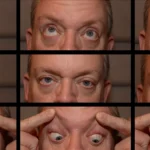
- Abnormal eye movements (nystagmus)
- In certain cases, individuals may experience hearing loss or a ringing sensation in the ears (tinnitus)
Episodes of vertigo may last from a few seconds to several hours and can be triggered or worsened by changes in head position.
Types of Vertigo
It can be classified into two main categories based on the origin of the disturbance—Peripheral Vertigo and Central Vertigo. Recognizing the distinctions between these types is crucial for accurate diagnosis and effective treatment planning. At DMPhysios, Noida’s trusted physiotherapy clinic for spine and sports-related conditions, we use this classification to guide our assessment and personalize treatment plans for each patient.
1. Peripheral Vertigo
It is the more commonly encountered form and results from issues within the inner ear or the vestibular nerve—the part of the body responsible for sending balance signals from the inner ear to the brain. When this delicate system is disrupted, it can cause sudden, intense spinning sensations and difficulties with balance.
Some of the most frequent causes include:
- Benign Paroxysmal Positional Vertigo (BPPV):
This condition occurs when tiny crystals inside the inner ear become dislodged and enter the balance canals, sending false signals to the brain during certain head movements. People with BPPV often feel dizzy when turning in bed or tilting their head. - Vestibular Neuritis:
Typically triggered by a viral infection, this condition causes inflammation of the vestibular nerve, disrupting balance and the brain’s ability to interpret spatial signals. - Meniere’s Disease:
A long-term condition characterized by an abnormal buildup of fluid in the inner ear, leading to episodes of vertigo, hearing loss, and tinnitus. - Labyrinthitis:
This condition involves inflammation affecting both balance and hearing functions of the inner ear. It’s usually associated with an infection and presents with vertigo, hearing difficulties, and sometimes ear pain or fever.
2. Central Vertigo
It originates from problems in the brain, particularly areas like the brainstem or cerebellum, which help control balance and coordination. This type is less common but can be more serious and usually requires a detailed neurological evaluation.
Causes of this type include:
- Vestibular Migraine:
For some individuals, migraine attacks can be associated with episodes of vertigo or dizziness. This type doesn’t always include headache but can cause dizziness, light sensitivity, and visual disturbances. - Multiple Sclerosis (MS):
As MS affects the central nervous system, it can damage areas responsible for balance and spatial awareness, leading to vertigo as one of its symptoms. - Stroke or Tumors:
Any interruption in blood flow or growth of abnormal tissue in the brainstem or cerebellum can interfere with balance control. Vertigo caused by stroke is typically accompanied by other serious signs such as difficulty speaking, weakness, or loss of coordination.
At DMPhysios, we thoroughly assess whether vertigo is peripheral or central in nature through clinical evaluation and advanced vestibular tests. This distinction plays a vital role in designing an effective physiotherapy treatment plan, ensuring that every patient receives the right care tailored to their condition and goals.
Causes of Vertigo
Vertigo may stem from a variety of health conditions, including:
- Inner ear disorders (BPPV, Meniere’s disease, labyrinthitis)
- Vestibular nerve inflammation
- Head or neck injuries
- Migraines
- Brainstem stroke or tumors
- Ototoxic medications (drugs that damage the inner ear)
- Motion sickness
- Dehydration and low blood pressure
Understanding the root cause is vital for effective treatment, which is why DMPhysios prioritizes thorough assessment and diagnostic screening.
Risk Factors for Vertigo
Certain factors may increase the likelihood of developing vertigo:
- Age: Older adults are more prone due to age-related changes in the inner ear.
- Gender: Women are more likely to experience vertigo, especially during hormonal changes.
- Head trauma: Increases risk of vestibular dysfunction.
- Ear infections or inflammation
- Chronic conditions: Such as diabetes, cardiovascular disease, or migraines.
- Medications: Long-term use of certain antibiotics, diuretics, or sedatives.
At DMPhysios, we factor these risks during patient evaluation, customizing rehabilitation accordingly to ensure optimal outcomes.
Treatment of Vertigo
Treatment depends on the underlying cause and may involve:
1. Medications
- Antihistamines (e.g., meclizine)
- Vestibular suppressants (e.g., diazepam)
- Antiemetics for nausea
- Steroids (for inflammation)
2. Canalith Repositioning Maneuvers
For BPPV, specific head movements (such as the Epley maneuver) are used to move dislodged crystals out of the semicircular canals of the ear.
3. Lifestyle Modifications
- Staying hydrated
- Avoiding sudden head movements
- Sleeping with the head slightly elevated
- Reducing salt and caffeine (especially in Meniere’s disease)
4. Surgical Intervention
In rare cases, surgery may be required, especially if vertigo is due to tumors or abnormalities that don’t respond to conservative care.
Physiotherapy Management
At DMPhysios, we specialize in patient-centered physiotherapy for vertigo. Physiotherapy is a non-invasive, drug-free solution that plays a crucial role in long-term vertigo management, especially for peripheral causes like BPPV, vestibular neuritis, or post-traumatic vertigo.
Comprehensive Vestibular Rehabilitation Therapy (VRT)
VRT is a specialized form of therapy designed to retrain the brain to interpret and coordinate balance signals more effectively.
1. Gaze Stabilization Exercises
- Improve control of eye movements during head motion.
- Example: VOR (Vestibulo-Ocular Reflex) training—patient focuses on a stationary target while turning the head side to side.
2. Balance and Postural Training
- Helps in reestablishing postural control.
- Example: Standing on foam surface with eyes closed, progressing to dynamic balance on unstable surfaces.
3. Habituation Exercises
- Designed to reduce dizziness through repetitive exposure to triggering movements.
- Example: Repeated head turns, rolling in bed, or bending forward.
4. Canalith Repositioning Maneuvers
- Performed by trained therapists at DMPhysios to treat BPPV effectively.
- Includes Epley, Semont, and Brandt-Daroff exercises.
5. Gait Training
- Improve walking patterns and safety for patients with unsteadiness.
- Can include visual cues, metronome pacing, and obstacle navigation.
6. Strength and Core Conditioning
- Targets the lower limb and trunk muscles to improve control and reduce fall risk.
- Exercises include squats, heel-to-toe walking, planks, and resistance band work.
At DMPhysios, located in Noida, we provide personalized VRT programs using state-of-the-art balance systems and clinical expertise. Our team monitors each patient’s progress and adjusts protocols based on response, ensuring safe and effective rehabilitation.
Prevention of Vertigo
While not all causes of vertigo are preventable, certain strategies can minimize risk or reduce recurrence:
- Avoid sudden changes in head position
- Treat ear infections promptly
- Stay hydrated
- Manage chronic conditions like hypertension and diabetes
- Use medications carefully and only under supervision
- Practice vestibular exercises (as prescribed at DMPhysios)
Preventive physiotherapy at DMPhysios helps patients become proactive in managing their condition through education, training, and home-based regimens.
Conclusion
Vertigo can be an overwhelming and disabling symptom, but it is manageable and often treatable with the right intervention. Early diagnosis, lifestyle adjustments, and physiotherapy are critical for successful outcomes.
At DMPhysios, a leading clinic in Noida specializing in spine and sports conditions, we believe in a patient-centered approach that goes beyond just alleviating symptoms—we empower our patients to regain control over their movement, balance, and quality of life.
If you or your loved one is experiencing vertigo, don’t ignore the symptoms. Schedule a consultation with DMPhysios today. Our team of expert physiotherapists is ready to guide you through customized vestibular rehabilitation for lasting relief.
Visit DMPhysios, Noida’s trusted clinic for spine and sports conditions.
Struggling with vertigo? Get expert vestibular rehabilitation designed just for you. Book your appointment now and let our patient-centered rehab team help you regain your balance—literally and figuratively!