Functional cupping in Physiotherapy | Improves Mobility and Enhances Recovery

Functional Cupping

Functional Cupping in Physiotherapy:

Improves Mobility and Enhances Recovery

Understanding What Cupping Therapy is?

C upping Therapy is one of the ancient and most effective methods used to treat different conditions by improving circulation, removing toxin materials from the body and hence improves mobility.It is the form of a chinese medicine.

It directly works on the fascia and therefore relaxes the fascia and helps in improving mobility and hence helps in enhancing recovery.

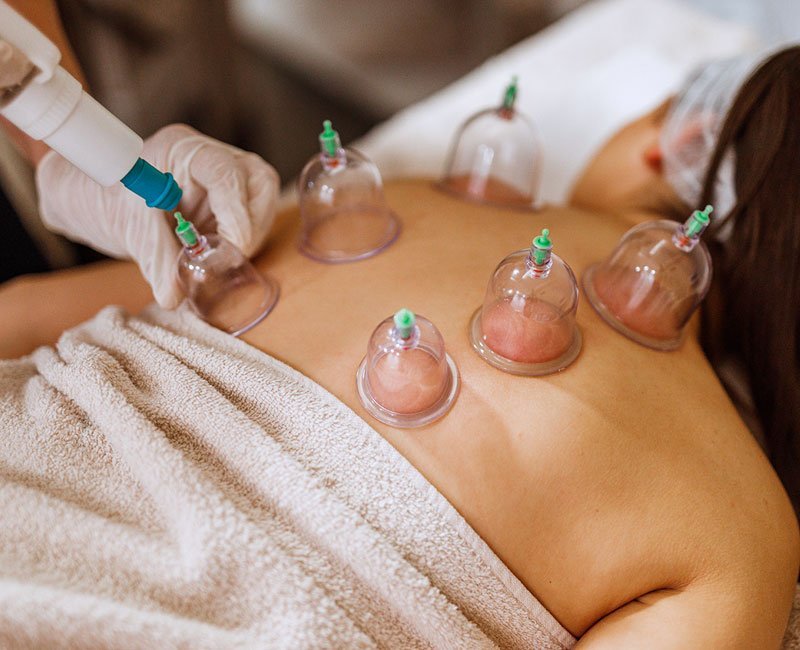
Cupping Therapy is also known as Hijama cupping, vacuum cupping Therapy etc.In this , the therapist places special cups made of different material eg- glass, plastic, bamboo, silicone etc on the patient’s skin to create suction. This will lead to the skin beneath the cup to uplift and swell causing an increase in blood flow to the affected area . This increased blood flow removes the impurities and toxins away from the affected area.

There are different types of Cupping Therapy that is used to treat different conditions:

  1. Dry Cupping 
  2. Wet Cupping 
  3. Dynamic Cupping 
  4. Functional cupping

Functional Cupping?

Functional Cupping is the unique combination of traditional Cupping therapy and modern therapeutic approach. It is also known as movement based cupping.

Functional cupping combines the cupping technique with the active movement excercise. It works by applying cups in the affected area and in combination of this the active movement or functional movement is done to decrease the restrictions and stiffness. The goal is to decrease the pain and restore the movement by decreasing the stiffness and restrictions in that particular area. It helps in increasing the range of motion and mobility.

Largely this technique is useful for improving the restriction of fascia, dysfunction in the facial line or connective tissues that surround our muscles. Connective tissues require an appropriate amount of force for an appropriate period of time to get relaxed or released. So, the cups that are used in functional cupping give the appropriate suction force to relax these tissues and open up the restrictions.

How Functional Cupping Therapy Enhances Mobility and Recovery -

  1. Reducing pain
  2. Opening up the fascial restrictions 
  3. Increasing Blood flow and circulation 
  4. Breaking down adhesions and scar tissues
  5. Neuromuscular Re -education

Benefits of Functional Cupping

1 .Helps in restoring healthy and functional movement 

2.Reduces area of restriction and associated pain

3.Improves Quality of life

4.Removes toxins and waste material from the body

5.Helps in providing input to the nervous system 

6.Improve motor pathway recruitment to facilitate tissue release and improve overall movement and function

7.Helps in enhancing the recovery after the injury

8.Helps in Reducing the inflammation

Conditions Treated With Functional Cupping:

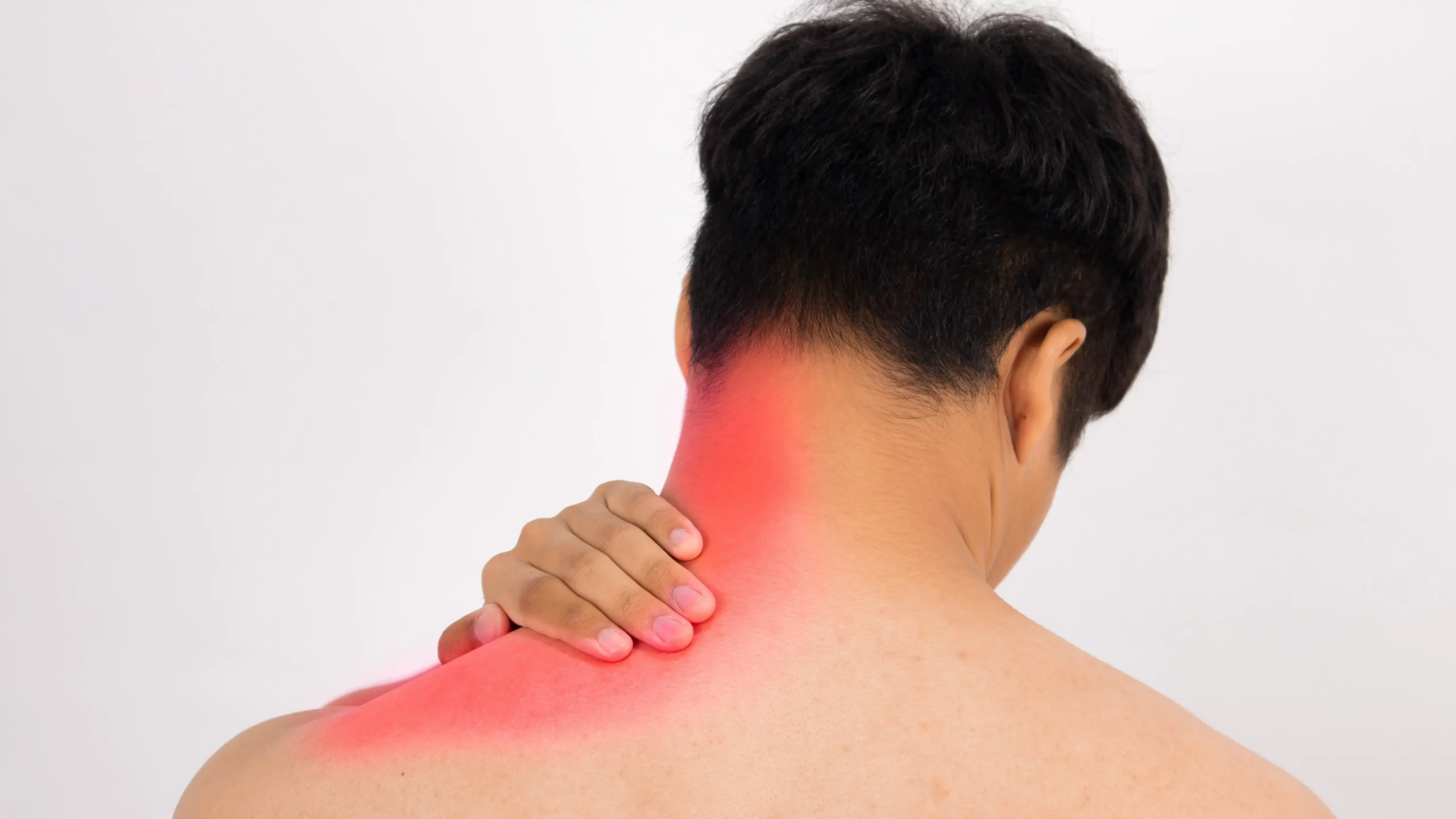
1. Chronic Pain Conditions: Conditions like- back pain , neck pain , shoulder joint pain , knee pain , elbow pain.

2. Sports injuries: Athletes often suffer from overuse injuries, strains , sprains , tendinopathies etc . which restrict their performance. Functional cupping helps to improve recovery, speed up the performance etc.

3. Post – surgical recovery : Post operative stiffness and scar tissue formation restricts the range of motion and therefore hampers the quality of life. Functional cupping helps in breaking off those scar formation and restrictions and hence improves the restricted range of motion.

4. Musculoskeletal disorders : Conditions like frozen shoulder, plantar fasciitis, trigger points , muscle taut bands, tendinopathies can restrict joint range of motion and muscle function. Functional cupping helps in improving muscle functions and opening up the adhesions.

Conditions like frozen shoulder, plantar fasciitis, trigger points , muscle taut bands, tendinopathies can restrict joint range of motion and muscle function. Functional cupping helps in improving muscle functions and opening up the adhesions.

Functional Cupping Technique in Physiotherapy:

1. Dynamic Movement with Cupping : This technique is also known as movement cupping. In this , the patients do the active movements like – arm raises, leg raises, shoulder flexion , knee extension etc. with the cups placed on the affected area. This technique is used to increase the joint range of motion, muscle function. 

 2. Gliding Cupping : This technique is basically used for improving the circulation, opening up the adhesions, and improving the fascial dynamics. In this , the  therapist glides the cup on the fascia of the muscle maintaining its suction throughout the movement.

3. Proprioceptive Training with Cupping : This technique is used for improving or enhancing the stability and mobility of the joint. In this , Cupping therapy is combined with the balancing or proprioceptive exercise to improve their skills, balance , control and stability during their performance.

4. Active-Assisted Mobilization : This technique is used to improve flexibility and release the tight areas. In this, Cupping is combined with the assisted stretching or mobilization techniques to open up the area and relax the tight structures.

Frequently Asked Questions

1. Is functional cupping painful or uncomfortable during treatment?
Functional cupping is generally well tolerated, but sensations vary between individuals. Most patients feel a pulling or stretching sensation rather than pain. During movement-based cupping, mild discomfort may occur initially as tight tissues are mobilised, but this usually eases quickly. Physiotherapists adjust suction levels based on comfort, skin sensitivity, and treatment goals. Any sensation should remain within a tolerable range, and communication during the session ensures the therapy remains safe and effective throughout.
2. How long do cupping marks usually last after a session?
Cupping marks are temporary and typically fade within three to seven days, depending on skin type, circulation, and individual healing response. These marks are not bruises but result from increased blood flow to the treated area. Staying hydrated, gentle movement, and avoiding excessive heat immediately after therapy can help marks resolve faster. Most patients find the visual effects minor compared to the mobility and pain-relief benefits they experience.
3. Can functional cupping be combined with exercise therapy?
Yes, functional cupping is often combined with exercise-based rehabilitation for better outcomes. Performing controlled movements while cups are applied allows muscles and fascia to glide more freely, improving mobility and neuromuscular control. Physiotherapists commonly integrate cupping before or during exercises to reduce stiffness and improve movement quality. This combination supports faster recovery and helps patients move with greater confidence and reduced discomfort.
4. Who should avoid functional cupping therapy?
Functional cupping may not be suitable for individuals with certain conditions such as active skin infections, open wounds, bleeding disorders, or fragile skin. People on blood-thinning medications or with vascular conditions should consult a healthcare professional before treatment. Pregnant individuals may require modified approaches. A qualified physiotherapist always conducts a thorough assessment to determine whether cupping is safe and appropriate for each patient’s situation.
5. How many functional cupping sessions are usually needed?
The number of sessions varies depending on the condition being treated, tissue response, and individual recovery goals. Some people notice improvement after one or two sessions, while others may benefit from a short series integrated into their physiotherapy plan. Functional cupping is rarely a standalone treatment and works best as part of a broader rehabilitation program. Your physiotherapist will reassess progress regularly and adjust frequency as needed.
6. Is functional cupping safe for athletes and active individuals?
Yes, functional cupping is widely used with athletes and physically active individuals. It helps address muscle tightness, movement restrictions, and recovery demands without adding high mechanical stress. When applied correctly, it supports performance by improving tissue mobility and reducing movement limitations. Many athletes use cupping during training phases or recovery periods under professional guidance to maintain optimal physical function.
7. What should I do after a functional cupping session?
After a session, it’s recommended to stay hydrated, avoid intense workouts for the rest of the day, and allow the body time to adapt. Gentle movement is encouraged to maintain the improved mobility gained during treatment. Avoid hot showers, saunas, or heavy massage over the treated area for at least 24 hours. Following your physiotherapist’s post-session advice helps maximise benefits and supports recovery.
8. Can functional cupping help with long-standing stiffness?
Functional cupping can be particularly helpful for long-standing stiffness that hasn’t responded well to stretching alone. By lifting and mobilising deeper tissue layers, it improves tissue glide and reduces movement resistance. When combined with active movement, it encourages better coordination and flexibility. While chronic stiffness often requires multiple approaches, functional cupping can play a valuable role within a structured physiotherapy program.
9. Is functional cupping suitable for people new to physiotherapy?
Yes, functional cupping can be safely introduced to people new to physiotherapy when applied thoughtfully. Physiotherapists start with low suction and simple movements to ensure comfort and confidence. Education about what to expect helps reduce anxiety. As patients become familiar with the sensation, the technique can be progressed gradually. This approach allows beginners to benefit from cupping without feeling overwhelmed or uncomfortable.
10. How does functional cupping differ in a clinical setting versus home use?
Clinical functional cupping is performed by trained physiotherapists who understand anatomy, movement patterns, and safety considerations. In a clinical setting, suction levels, cup placement, and movements are tailored to specific conditions. Home cupping kits lack this professional assessment and may lead to improper use. For best results and safety, functional cupping should be performed or guided by a qualified physiotherapy professional.

Book a Consultation

It’s easy and free!

Dr. Ritika Aggarwal

Dr. Ritika Aggarwal

Physiotherapist

Related Posts

Best Physiotherapy Center in Ashok Nagar Delhi , Physiotherapy plays a vital role in modern healthcare by helping individuals recover from injuries, manage chronic pain, enhance mobility, and improve overall quality of life. Whether you are dealing with back pain, sports injury, post-surgery rehabilitation, or age-related conditions like arthritis, choosing the right physiotherapy center is …

Leave a Reply

Your email address will not be published. Required fields are marked *